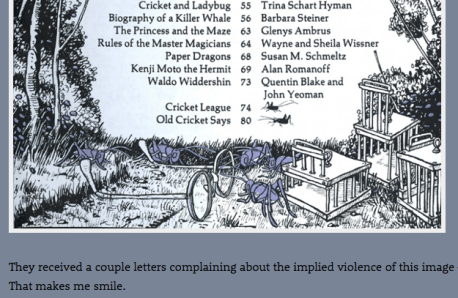
“That makes me smile.” David Wiesner explained the effect of critics in a blog, “The Beginning“(Wiesner, 2020).
This account is left right there. That is all Wiesner has to say about it. “That makes me smile”; a four-word phrase that implies quite the opposite of violence…
Unless, the implication was to stimulate a “violence of thought”; Not “violent thoughts”; But, thinking so transformative, so life-altering, so paradigm-shifting as to be jarring–to clash with the cognitive systems already set up, that are comfortable and familiar.
The beauty, the magic of Wiesner’s work is that it raises more questions than answers. Why does the criticism of his very first professional art assignment cause him to smile? Did David Wiesner smile the moment he learned of people’s misgivings about his illustration? This statement is written in the first person present. Is he still smiling? Is this a constant source of laughter? What kind of smile is it? Condescending? Amusement? Bemusement? I can picture Wiesner’s emotions evolving through many smiles.

Author/Illustrator
Why do we smile? We are told to smile. I tell my students to smile. My thinking has been that a reason for smiling will surface once you have begun. If we wait for a reason, it may never arrive. Jumpstart the happiness by raising the corners of your mouth. Smiling can be an act of violence, especially, when you don’t feel like it. You are waging war on your soul.
David Wiesner’s smile is a metaphor for this picture, drawn in 1979 for the table of contents of the September Cricket Magazine of that year. It was his first commissioned artwork. He had all summer to produce it. I bet at the end, after Trina Schart Hyman praised his work, he removed his spectacles, free to smile at his accomplishment. Having just graduated art school the spring before, David didn’t plan to enter the world of children’s literature. Like a cricket, chirping in the corner of the room, it beckoned him.
I first stumbled across David Wiesner when my daughter Scarlet became enamored with frogs. We found the book “Tuesday” (1991) in a used book store. We were drawn to the text by the beautiful cover. This tale of frogs flying through town, managing mayhem and inspiring mystery, was an instant favorite. We “read” it over and over. The word read is in quotes because this is a wordless book.
 At first Scarlet and I were attracted to the artwork and frogs, but as we reread it, many more meaningful lessons were uncovered. How do you “read” a wordless book? I spoke to my emergent reader about what was happening in the images. We took turns asking each other questions and pointing out phenomena. We celebrated one another’s surprises: “Did you see this?!” How many “Oh my goodness-es” were uttered?
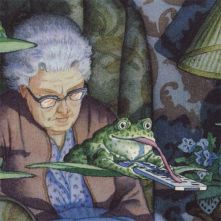
The “goodness” is that each reading was a goldmine of conversation between a daddy and his daughter. The lack of text makes the illustrations more open to reader-interpretation. The artwork lies somewhere between realistic and animation, just like the story line. Scarlet and I discussed how plausible it was for frogs to fly. The frog faces show expressions. How much do frogs feel or think? They seem to operate a remote control for a television in one picture. Do you think frogs could do that? Would they want to?


I use “Tuesday” in my third grade classroom to introduce the reading strategy, Questioning. It is the second day, and I have students write down questions while I page through the illustrations. We discuss the students’ questions along with how important “questioning” is, as a reading strategy. I am still finding details in the artwork that I hadn’t noticed before.
- BIBLIO: Reprint, 2011, Clarion Books, $6.54
- REVIEWER: Matt Weimann
- FORMAT: Picture Book
- ISBN-10: 0395870828
- ISBN-13: 978-0395870822

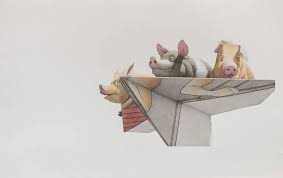
A book that I use later in the year that David Wiesner also wrote/illustrated is “The Three Pigs” (2001). This one may have text, but the storyline is much more dependent on the artwork, thus awarding it the Caldecott Medal of Honor. The three pigs discover a way to escape the mean wolf through completely exiting their story altogether! They then explore a parallel universe of nursery rhymes where they find a few other lost souls. The three pigs help extricate the characters in peril from their tales.
How do you explain “Out-of-the-box thinking” to youths? Share with them this “Out-of-the-book story” by David Wiesner. Practice the art of thinking this way by “rescuing” a character from a different book. Students could draw comics to illustrate what could happen if a character stepped out of their story to explore the outer world.
Another use of this thinking is to teach the uses of literary parameters. An author sets up “givens” that help readers interpret actions in a story. Readers won’t be happy if halfway through a story, the historical fiction narrative completely changes to science fiction, with aliens visiting from outer space. Even with our three little fugitive pigs, the illustrations and ideas are consistent throughout the book. They can visit other stories, but they don’t become microscopic and fall through the atoms of matter. In order for there to be “Out-of-the-box thinking” there must actually be a box.
Information about other texts by award-winning author/illustrator, David Wiesner can be found on the “Bookshelf” page of his website.
- “I Got It!” (2018)
- “Fish Girl” (2017)
- “Spot” (2015)
- “Mr. Wuffles!” (2013)
- “Art & Max” (2010)
- “Flotsam” (2006)
- “Sector 7” (1999)
- “June 29, 1999” (1992)
- “Hurricane” (1990)
- “Night of the Gargoyles” written by Eve Bunting, illustrated by David Wiesner (1994)
- “Free Fall” (1988)
- “The Loathsome Dragon” retold by David Wiesner and Kim Kahng (1987)

I leave you with this thought: The more mature a writer becomes, the less drawing fills his/her pages. A five-year-old only draws. Teachers instruct youths to add text. We get children to provide words to describe the settings they see in their minds. Develop character traits through actions. What word choice will perfectly convey the mood and theme of your story? Are we capturing and boxing up these young minds by teaching away the artwork? Perhaps the cages from David Wiesner’s illustrations at the start of this blog were setting the crickets free. Artwork is the music for text penned and sung. Let’s help our crickets sing their song.
Sources
Wiesner, D. (2020). Bookshelf. Retrieved February 17, 2020, from https://www.hmhbooks.com/wiesner/bookshelf.html
Wiesner, D. (2020). The Beginning. Retrieved February 17, 2020, from http://www.davidwiesner.com/work/the-beginning/
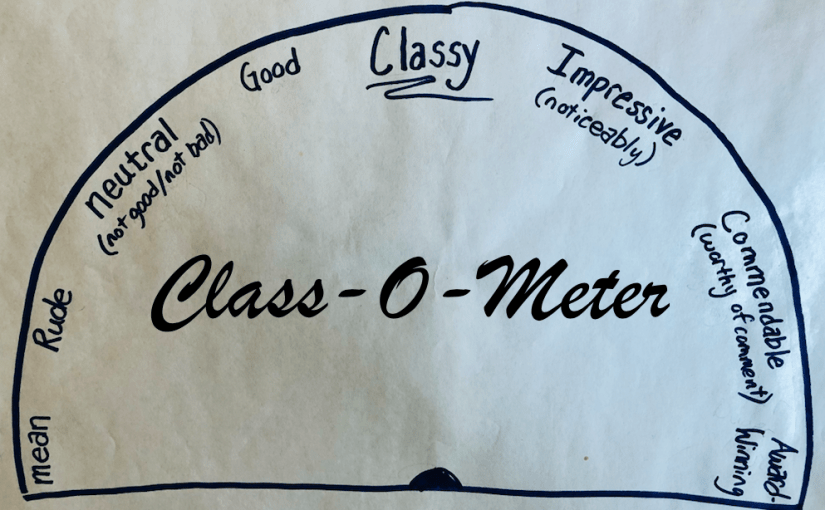

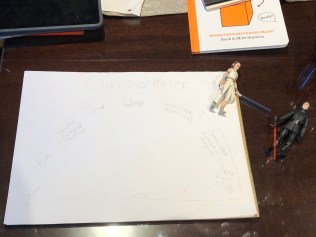

 Mommy and daddy are having Scarlet do more and more things for herself. Taking care of her lunch box at the end of the day is one of her new duties. Huffing and complaining,
  or requiring her parents to hound her to take care of this is far from classy. That is rude behavior. Needing a reminder, but taking care of the lunch box independently would be neutral, neither classy not “unclassy.” Doing the chore without any reminders, and doing it effectively and immediately would be good, which is moving closer to a classy attitude of taking care of school materials in general, working toward being a helpful contributor to a friendly family life. If you want to be really impressive, you could ask if there is anything that mommy or daddy need help putting away, take care of things other than just the lunch box, keep toys and supplies nice and neat, etc.














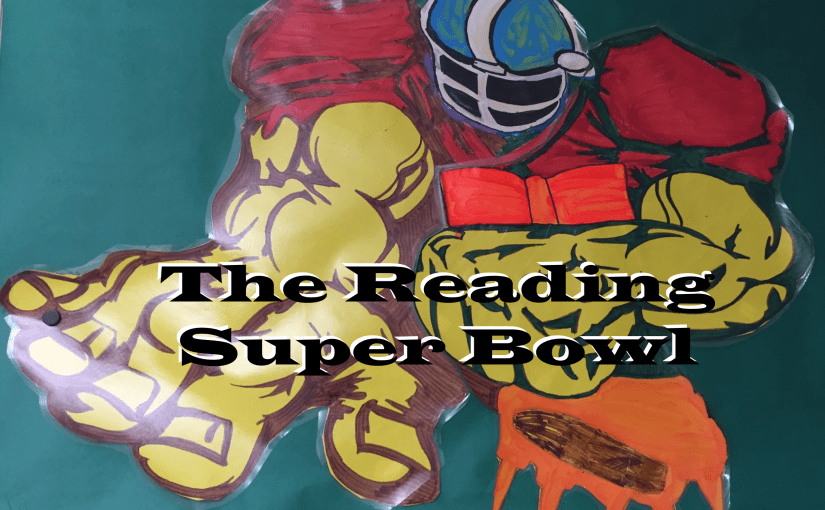

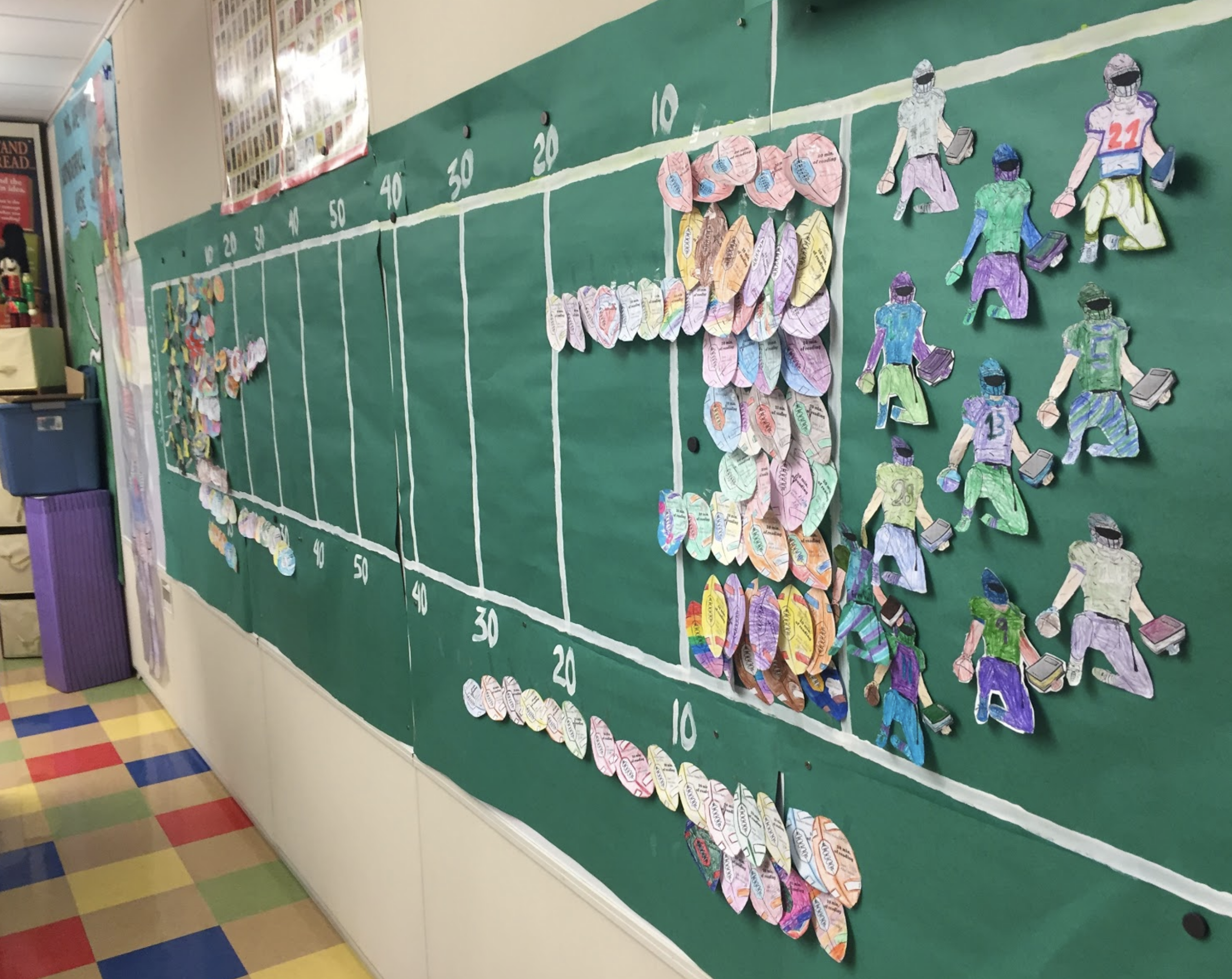 The class is broken up into two equal groups. I’ve done girls versus boys, odd student numbers versus even student numbers, and broken the class up according to desk arrangements; Doesn’t matter how you do it. The NFL teams that are entering the playoffs are listed on the board. Kids get the lunch/recess time to decide on their group’s team. Then the players are passed out. I usually project a few pictures of each team’s jerseys on the wall for kids to model the coloring of their figure…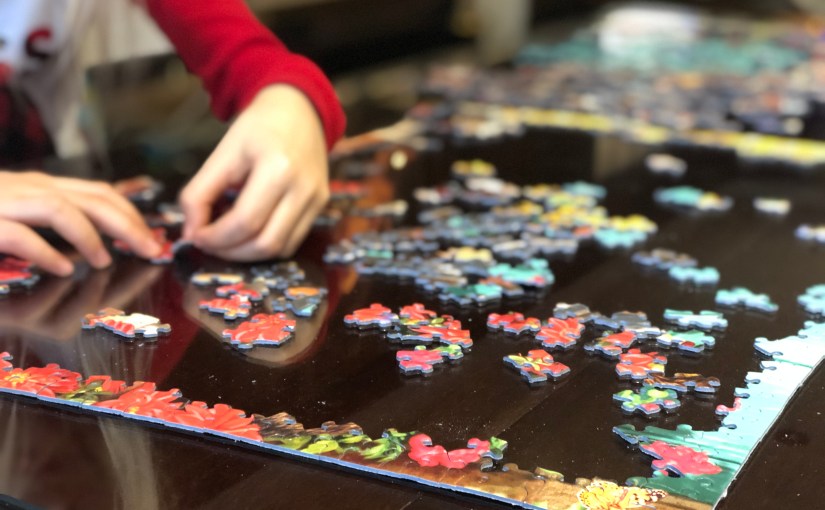
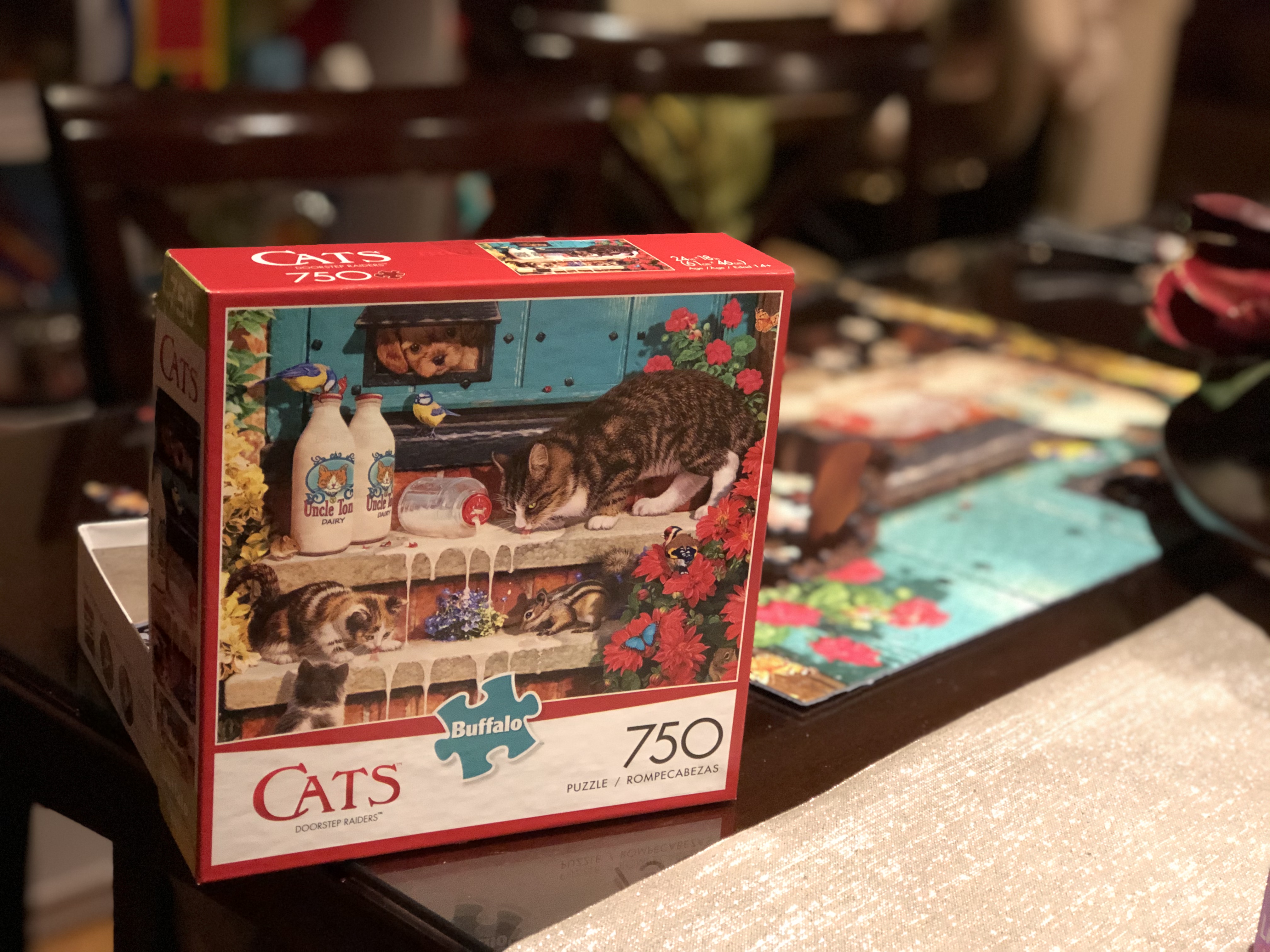


 Before I leave you to chew on this metaphor, I must mention some of its limitations. First of all, Life has no borders; It has a beginning and an end, but there is no ceiling or floor. Sore as high as you can, and be careful of exploring its depths too far. Understand that experiences, places, and people are all part of your puzzle. Also, it is more like a three-dimensional puzzle. Build out wide on either side to support potential experiences that could attach to your life. Then, watch piece after piece fall into place, grow, and assemble. Finally, but not conclusively, it is ever changing. The piece you hold in your hand may not fit now, but in a few minutes, it could be exactly what you need! Life is like a coral reef; a puzzle of plant, animal, and rock…
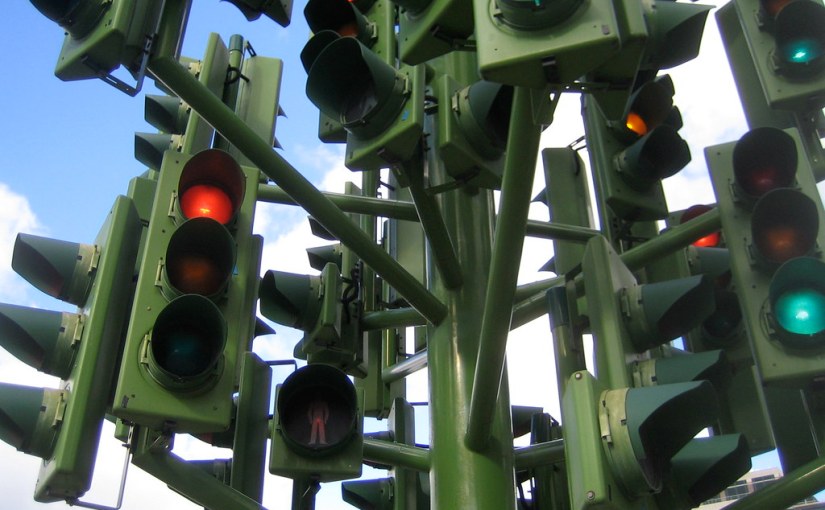
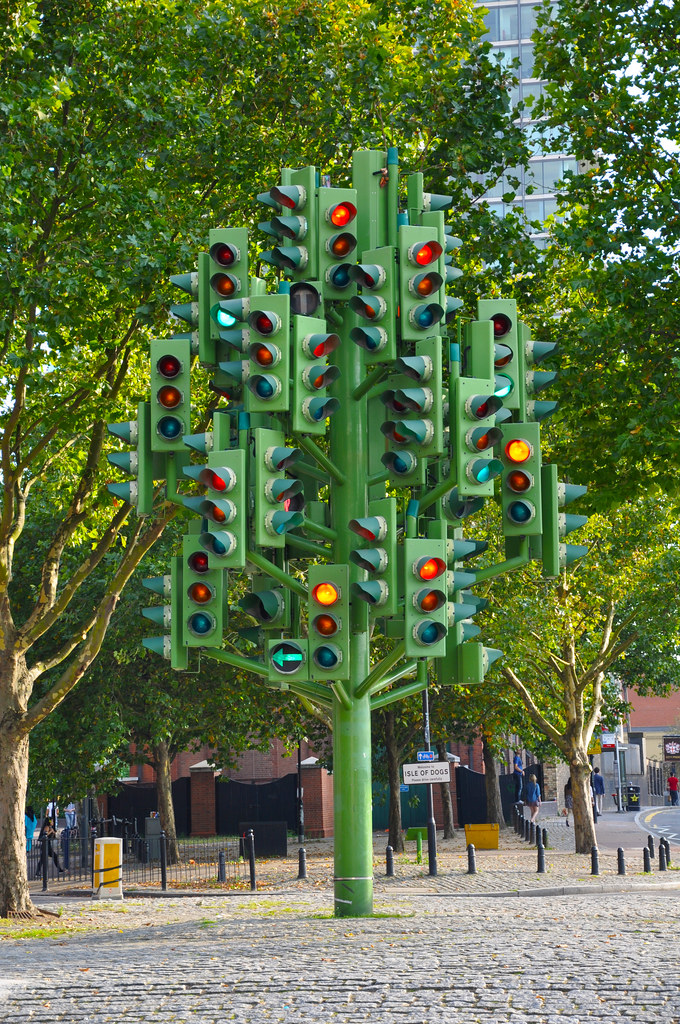
 Had he sat through a rotation of red lights when allowing the elderly person to cross the road? How could every traffic light still be green?
  It isn’t until this lucky driver gets safely home and turns on the news that he remembers seeing some of the faces of people sitting at red-lights on the side streets. Coasting through green-light after green-light, our driver turned from time to time, glancing at the cars waiting for their chance to enter this magical thoroughfare. They looked angry and irritated. Come to find out, the road our driver had traveled had been victim to a traffic light malfunction. As it turned out, his drive home really had been magical; The lights hadn’t changed for over an hour. It just so happened that he turned onto the road that had been broken in his favor right when the lights became stuck on green. His brief stop in the store hadn’t been long enough for him to escape this lucky coincidence! He drove all the way home, before city workers fixed the lights, and travelers on side streets could safely exit their parked prisons!