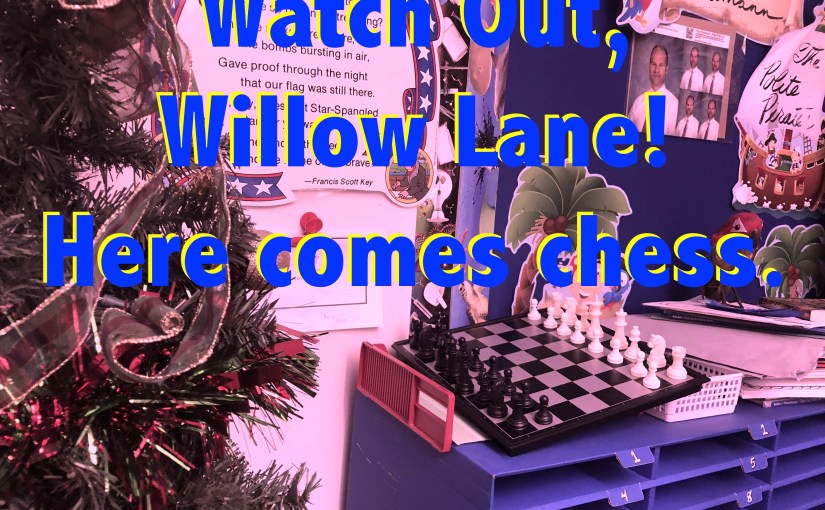
 I was glancing around my classroom before I unplugged the Christmas lights and took off, yesterday, and I saw this: A chess board had been “put away” by being placed on the Red Bin. The Red Bin is the place where notes, money, messages, etc. for the office are placed first thing in the morning. They then get sent down to the office with our lunch count in the green envelope seen under the chess set.
 We are just beginning our school chess club, this year. I accepted too many members, and don’t have enough of the nice big vinyl boards with 3 inch plastic pieces for everyone. (Christmas idea;) So, we have been using a mishmash of different sets. The one in the picture is magnetized, that’s why the pieces can stay in place.
What struck me about this pic is the concept of actually sending the board to the office! Did a student think that this was a message for the secretaries? Should we move a piece and share the board with another class? There is a buzz around the school of students becoming increasingly interested in this “thinkers game”. I have been working on populating a webpage from my classroom website with chess related information that could be helpful not only to the members of our club, but any beginning player. Mr. Vitale, my third grade teammate and partner in running the chess club, and I have made several videos to post on this website. My dream is for the whole school to become interested in playing chess. I wouldn’t be upset if other elementary schools caught this vision. Wouldn’t it be great for our district, state, country to learn, practice, and master thinking strategically, analytically, as well as creatively?
Mr. Vitale and I began a chess game this past week during lunch. We couldn’t finish it, so it remained set up in Mr. Vitale’s room. He couldn’t help but show and talk to his students about it. I took pictures and shared them with my class. By Friday, we were able to complete the game, but only after both of our classes worked on analyzing the following images to help with potential moves. It was fun, exciting, motivating, and infectious. By Friday, my students were sneaking onto Chesskid.com whenever they could. I found iPads with chess games begun, hiding under notebooks.


Here is an idea: Teachers sign up for the Chess Challenge. The magnetic board travels around the school, visiting learning spaces (not just classrooms). A chess enthusiast, either chess club member or one of my students or myself, can visit participants, if desired, to help with some chess instruction. (In other words, teachers shouldn’t feel like they have to be good at the game to participate.) A paper with notation will accompany the board. This will also be posted on the website for classes to keep up with the game, virtually. The color a class is responsible for will depend on which is moving at the time the game arrives at their doorstep. If it is Black’s move when Room 205 gets the board, then they are part of the black team. When a class captures a piece, they get to keep it until the end of the game. They can display it as a chess trophy. Much of the game is strategy, so rooms could even display thinking by posting writing or drawings of the ideas that prepared their move. Perhaps awards could accompany the moves that displayed creative, analytical thought.


My aim is to not only spread the love of chess, but inspire thinking, especially an affection for analytical reasoning. Lets get kids excited about using their cognitive abilities as much as they are pumped to tackle, shoot hoops, hit home runs, etc. The brain may not literally be a muscle, but it should definitely get exercised!
Sources:
Editorial Staff. (2013, October). Treat Your Brain Like a Muscle: Exercise It. Retrieved December 1, 2018, from https://www.toyourhealth.com/mpacms/tyh/article.php?id=1885
Is The Brain A Muscle? (n.d.). Retrieved December 1, 2018, from https://www.top-health-today.com/general-health/is-the-brain-a-muscle/
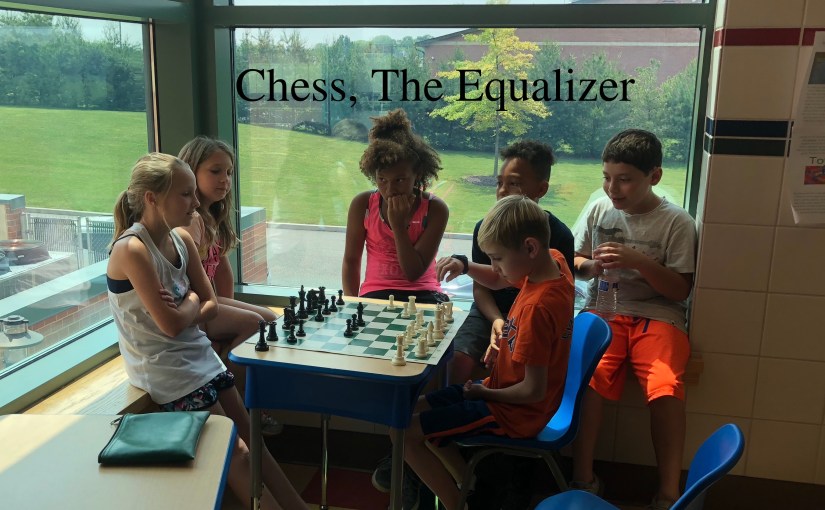
 I couldn’t possibly be more excited to be starting a chess club at Willow Lane Elementary! This Tuesday is our first meeting. I had tossed around the idea of starting this club when I began teaching at Willow, 8 years ago. Instead, I began an after school club that published a school newspaper:


 The only reason that I knew about this interaction was the hurt child came over and told me about it. It almost seemed like she wasn’t sure if she should be upset or not. As she told me her story, others, overhearing the tale, chimed in with their two-cents. This additional commentary seemed to spin the story into a negative frenzy, so that I put an end to the retelling in order to address the class.
  What the boy did when he pointed out the way a little girl looked different from himself was a natural thing to do. We humans can’t help but categorize things (Vanderbilt, 2016). We have genres for music, books, movies, art, dance; You name it! It’s much easier to find things when they are labeled. When I’m in the mood to read a mystery, it’s much faster and easier to go to that section of the bookstore, rather than sift through every single shelf. But, what about those books that are very funny true stories about a person’s life that happen to also be highly mysterious? Now what? Often times, we simply create a new category.
  Tom Vanderbilt (2016) goes a step further, suggesting that the more we like something, the more we want to categorize. A person who enjoys candy will separate a bag of treats into several groups of like sweets. How many times has the book-lover rearranged his or her library, recategorizing titles? I have grouped books that I read close in chronology, only to separate them after reading new texts.
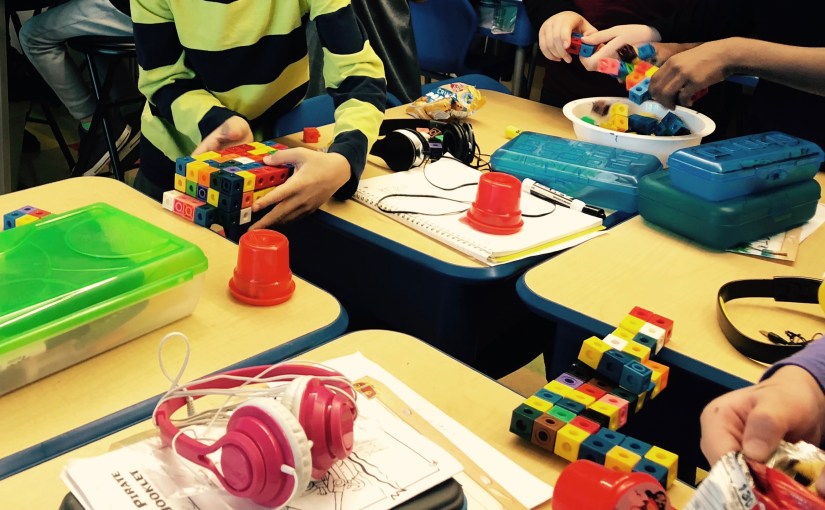
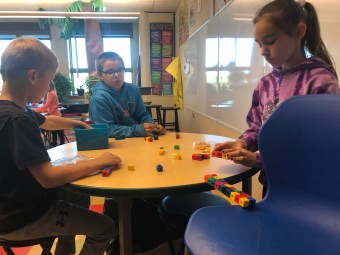
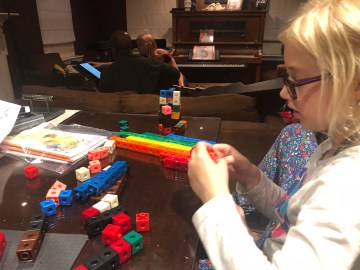
 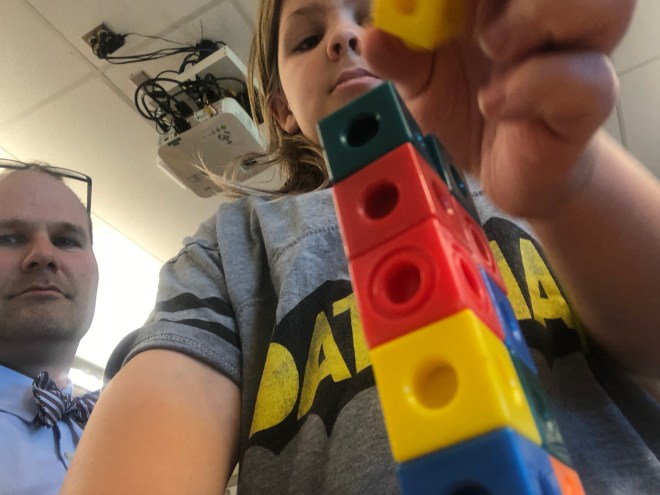 I came up with an activity to help reinforce this concept in my classroom. I call it “Building Bridges”. We have a snack/play time in the afternoons, when we give ourselves a brain break. I instituted a “constructive” play rule, where kids use items that can be connected or built upon in order to make things, rather than just mess around. We have Legos, Lincoln Logs, Tinker Toys, 30+ year-old Robotix toys from my childhood, and we also use the colorful interlocking blocks that came with our math curriculum. Because we have the most of this last medium, I chose to have the whole class use the colorful blocks in a contest. (The competition makes it more exciting.) Groups of kids–I not only let the kids pick their own groups, I didn’t limit the size of groups–arranged and connected blocks to form bridges that spanned distances between desks. I told them that the bridge had to be able to hold and transport a Thymio robot–This is a little robot that students can program to drive. The robot was the trick. Students worked to make their bridges wide enough, thick enough, and strong enough for the robot to use. Rather than drop robots on the floor during trial runs, we measured the weight with a simple scale. The robot was equal in weight to a half-full pencil box.







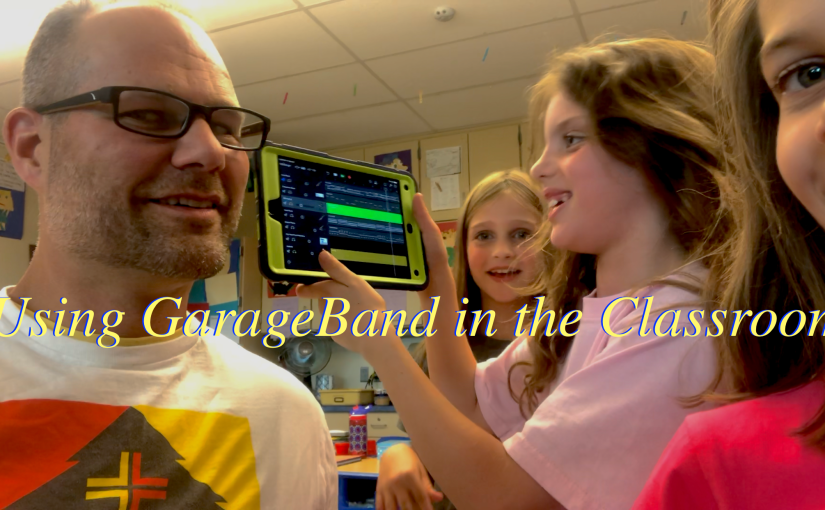




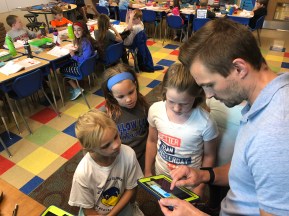
 C is for simple, yet complex. The song is made up of 4 verses with a repeating chorus. The chord progression is E, D, A, E, with the change on the first beat of each of four measures. Dylan Peters (@DylanPetersedu), the brand new Technology Innovator Specialist hired to East Penn School District this past summer (2018) worked with me from the get go to teach my students (and me) how to use GarageBand. We used the “Autoplay” feature to have the instruments play simple rhythms. After guiding groups through creating the same set of four instruments playing the same four measures of music, we showed them how they could change the instruments, altering percussion styles, and fooling with some really funky disc jockey features.

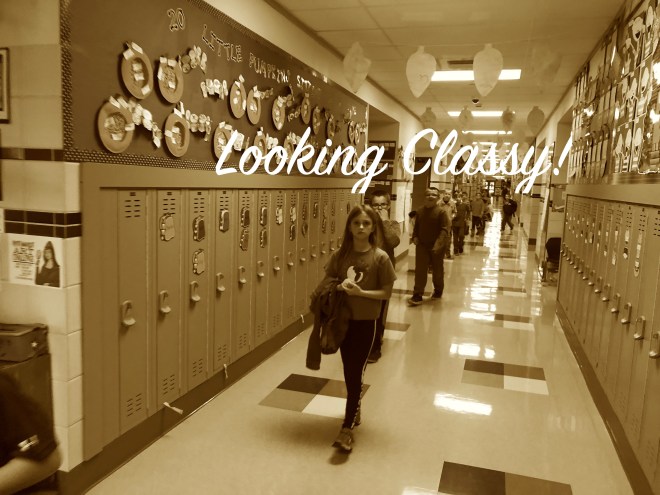
 One silly example I have for this is the way students hold their coats. It is that time of year when kids need coats for recess. The thing is, kids get warm when they run around, and they will take their coats off. Upon entering the school building, they have not cooled down completely, so they don’t want to put their coats back on. What many are inclined to do is place the hood of their coat on their head and let the rest hang behind them. They see peers doing this; Maybe they feel like it is a cape. Kids love doing this. It isn’t that I think that there is anything inherently “wrong” with wearing a coat this way. However, what I do each year is show my students the contrast of draping a coat over the arm and carrying it like a butler’s towel up to the room. It seems to me that students who walk with their coat draped over their arm stand more strait with their chins higher. They do not shuffle into the building. They parade with purpose. I told you that this was a silly example. It is simply an appearance thing, but it really works!



 My classroom has a mishmash of different devices. I literally did not know how they were going to outline their arrays, but I did know that there was more than one way. The iPads are pretty easy. Kids can click on the assigned Google slideshow and immediately start drawing and writing all over the slides, without opening it in the Google Slides App. When students are done they can save/submit the work as a PDF.


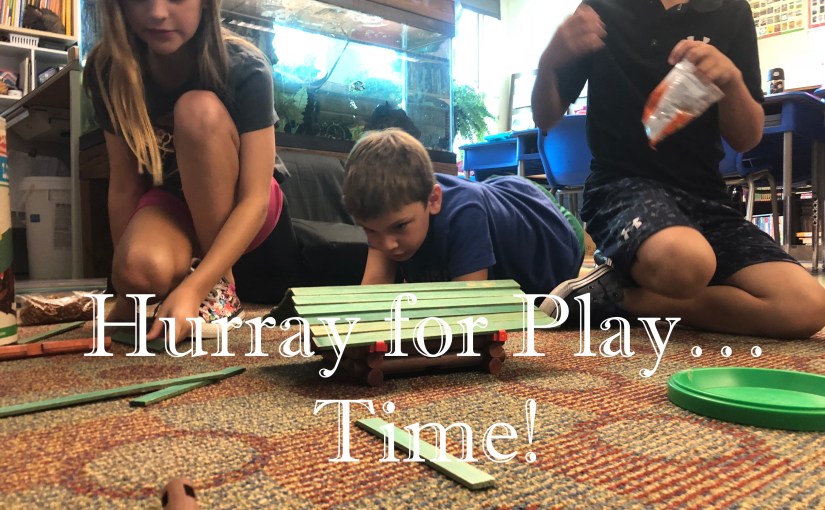


 Merriam Webster defines playtime as “a time for play or diversion” (n.d.). The very first time I introduced this idea, I talked all about the concept and went over the parameters or policies prior to math time. Then during math we used connecting blocks to build arrays that were broken apart, displaying split multiplication problems. When math time was over, I told the students that they could keep using the blocks, but now, they could “Build whatever you want.” They were in heaven. It was like I had taught them the proper way to use the monkey bars, and then told them they could play all over the playground doing anything they wished. Stay within the fence, and follow the general rules, but have a blast and blow off steam. They sure did.


 My students and I are super excited for this new #playtime initiative. I haven’t told them about making videos, yet. But, our creative building has completely revolutionized our Language Arts time. Kids are more attentive, well-behaved, and cooperative in centers, after having a brain break. I look forward to sharing more about this time, how it is working out, and what my students are producing throughout the year. Please share with me articles that you have read that either support this idea, add to this concept, or even contradict my thinking. Thank you.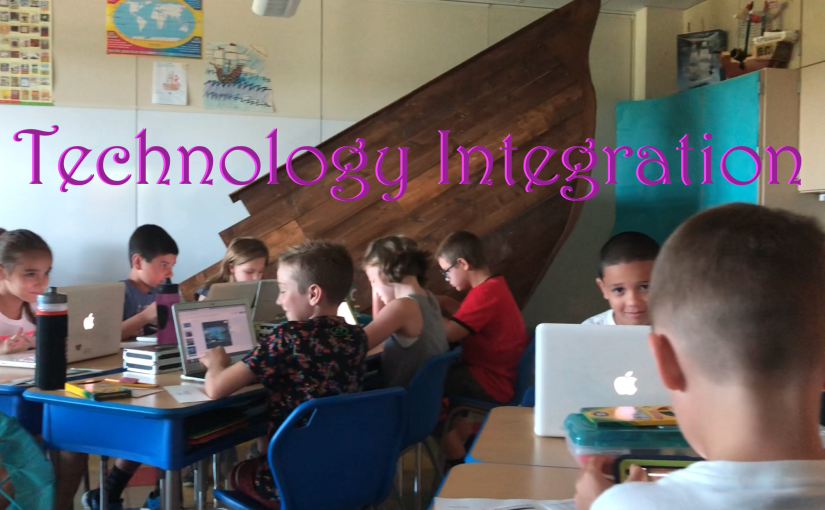
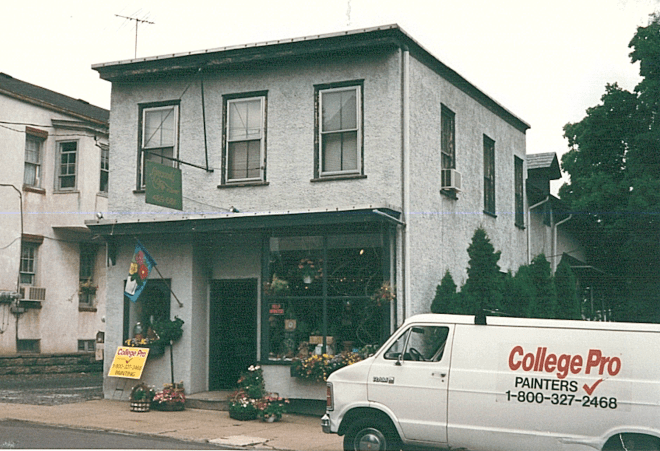

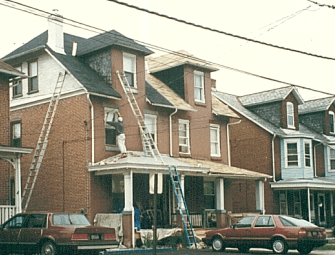
 The ground-breaking technology that made all of this happen back in 1990 was the… ready for this? Telephone. Homeowners called an 800 number to ask for estimates for painting. Because the manager was stuck at home, he was able to check his leads several times a day, calling homeowners back nearly immediately. He scheduled all of his estimates on the same day and back to back, rather than spreading them out. By the end of the summer, the manager who seemed the most limited was able to produce far more painting work than any other manager in his district.
 The Captain of Class