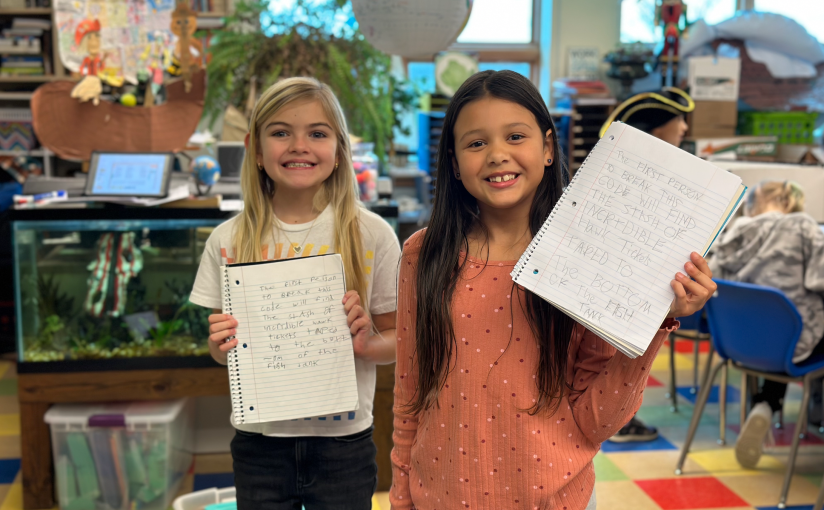
Yesterday the class experienced a fun activity that afforded me the chance to witness unique forms of teamwork in the classroom. The lesson itself was a blast: I provided a secret message, written in code, that the students had to decipher in order to earn a prize. I hinted that they would learn about a treasure hidden in the classroom by breaking the code. The code was developed in the 1830s by Samuel Morse. It’s known as Morse code, and uses dashes and dots, versus ones and zeros.
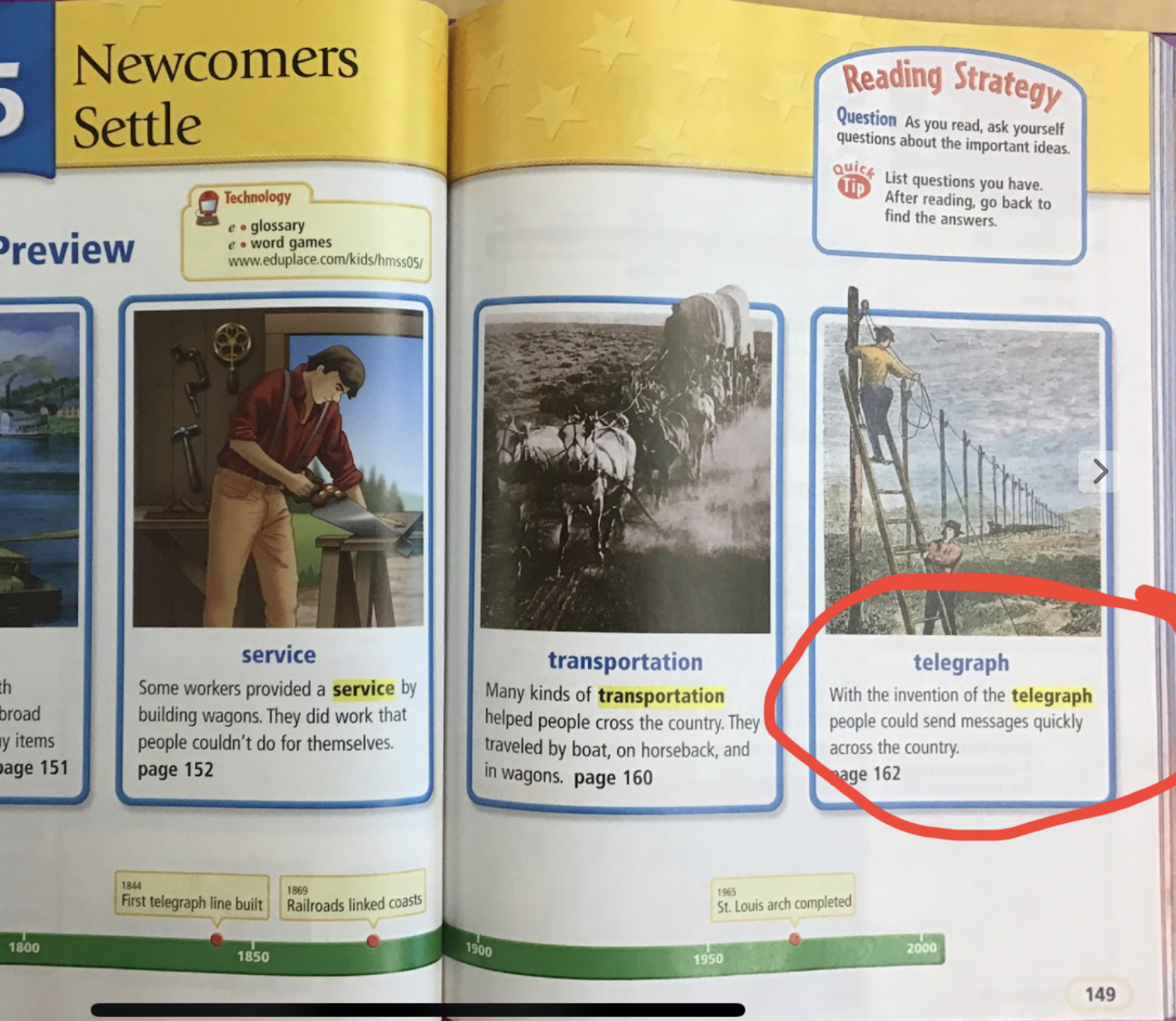
The Social Studies unit is about people migrating across the United States. Setting the scene for the era, the book discusses the development of the telegraph and Morse code. The Polite Pirates lined up for recess right after hearing these words. Then, I raced to the Internet to find a code generator to produce a fun activity. It didn’t take long. Within seconds I was typing a secret message into the text field of MorseCodeWorld.org’s Translator. I took a screenshot of the code that the translator instantly provided, and shared it with the Polite Pirates via their Google classroom.

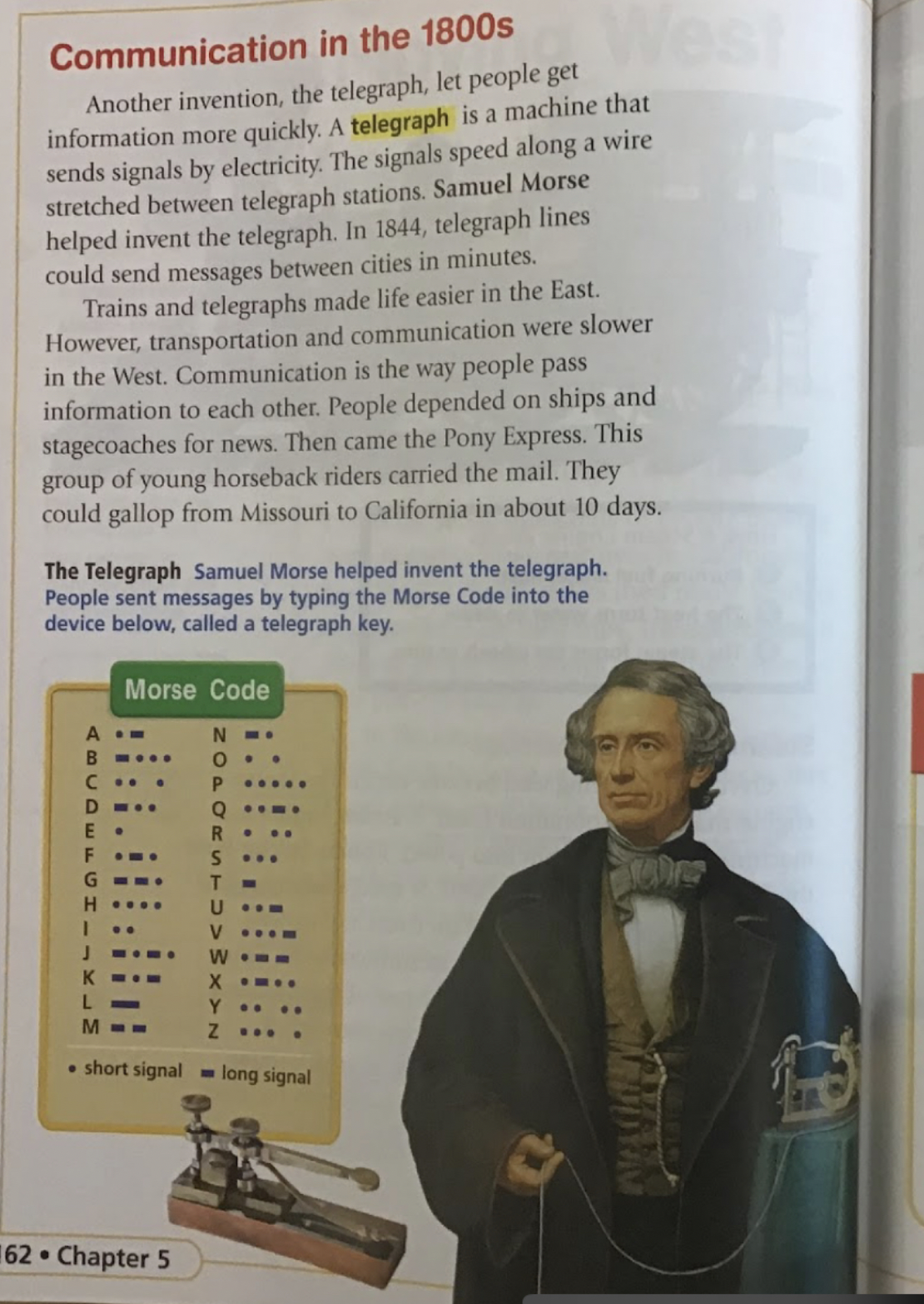
Additionally, I gave them a screenshot of the alphabet in Morse code so they would have all of the tools necessary to break the code. Upon returning from lunch, I sat everyone down and explained the task. Then, “Go!”

“Can we work in teams?” could be heard from all corners of the room.
“Definitely,” came their captain’s reply.
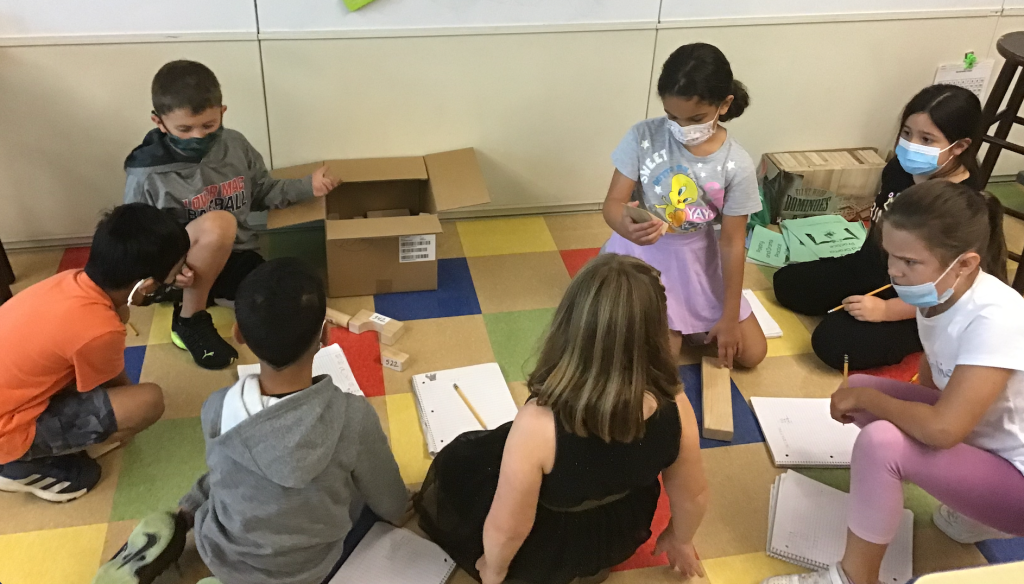
And then, I had the pleasure of witnessing even the typically least motivated pirate tackling a tedious task of looking up each letter of a very long message. As I walked around, watching their work, I felt a little guilty about how many words I’d included. But, my Polite Pirates didn’t complain one bit! Due to the looming prospect of treasure, they furiously raced one another to break the code.
One pair tackled each letter together. They would whisper the code, “._..” and then hunt through the letters in the alphabet until they found a match. Other teams had scouts wandering around the room to see how other teams were doing and reporting back to their base of operation with news of progress and hints of other code breakers’ breakthroughs. There were teams that designated letters to members. “You look up that letter, you look up that one, and I’ll look up this one,” I overheard. A team or two assigned whole words. Of course, there were the independent kids, who didn’t want to be encumbered with having to communicate with others.
During the entire experience I played the sound that the MorseCodeWorld.org Translator provides: It produces audio of the code. The Polite Pirates loved hearing the beeping in the background. It seemed to add to the fever of the code-breaking.
While walking around, looking over pirates’ shoulders, I saw that several were stuck on the word “Incredible.” I had labeled our school positive behavior prize “Incredible Hawk Tickets” in my message. I saw that many had come up with “Increkible.” Apparently, D is similar to K in the code. They were beside themselves with frustration. “This isn’t even a word!” they were complaining.

“What word is that similar to?” I hinted.
After a moment, “Incredible?”
“Is it possible that you had mixed up the letters? What does that word do for the message? What if you just skipped it and moved on?” These prompts got the codebreakers back on track. I also began to see students skipping other letters. One pirate translated F, I, R, and then assumed the word to be “first.” He was correct and saved a good deal of time utilizing this strategy.
I witnessed pairs where one student seemed to do all the work, while the other looked to literally pirate the glory. This wasn’t completely the case, though. The potential pirate had a job. He was announcing his team’s progress. He was championing the success of his hard-working Polite Pirate partner and making him feel like king of the world. The boy whose nose was centimeters away from his iPad screen and scribbling in his notebook letter after letter was grinning ear to ear as his partner yelled out how many words they had conquered.
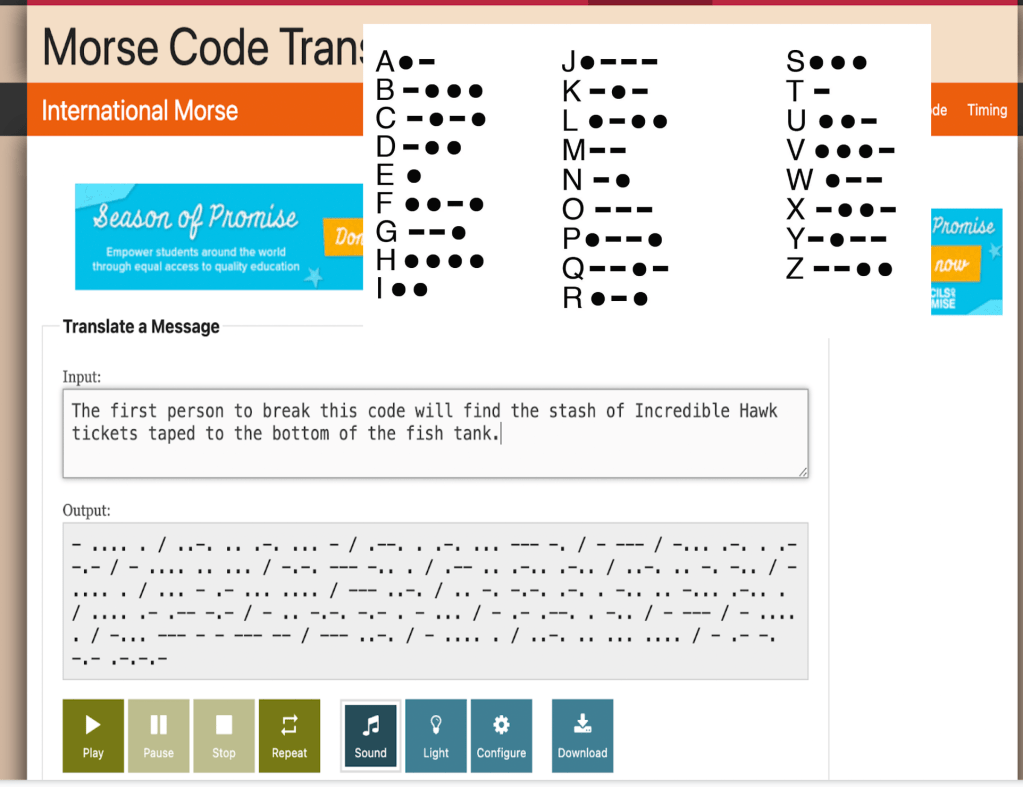
I had given the class a time limit of 5 minutes. When the timer went off and no one had completed the translation, there were groans of disappointment. I offered an extension of time, and the crew cried cheers of joy! We did two additional timers of 2 minutes, each. By the end of the last one, after a total of 9 intense minutes, a pair of girls had deciphered the entire secret message, “The first person to break this code will find the stash of Incredible Hawk tickets taped to the bottom of the fish tank.”
The whole class cheered when the tickets were recovered from their hiding place. It wasn’t all that many tickets, and only the two winners divvied them up, but everyone gained the treasure of the experience.
How do you code teamwork?
Morse Code | Invention, History, & Systems. (2023, January 5). Encyclopedia Britannica. Retrieved January 7, 2023, from https://www.britannica.com/topic/Morse-Code





 of this incredible magazine! Well, buckle up, because here is where Storyworks Junior shines. I used to think that you have to read a book, before watching its cinematic rendition. If you witness the movie, the ending of the story will be ruined! Storyworks Junior, along with some accompanying research has changed this mentality for me. The featured story for each magazine has a video that you show before the students read it. This video is accessed through the
  “Does the video give away the ending of the story?” you may wonder. While it does answer the burning question of whether the main character survived, more than that, it gives students a mental literary road map for when they read the story on their own. They know what to expect. The video shows some of the text as it is being read, in between dramatizations of the story. Also, it provides vocabulary words with definitions in the middle of the screen when they are mentioned in the text.
  The video isn’t the only online tool that Storyworks Junior provides. Every feature story comes in a variety of differentiated versions for beginners, intermediate, and advanced readers. And, don’t forget about those English as a Second Language readers! There is a text for them, too. These texts, along with vocabulary slideshows, worksheet packets, and quizzes, all made by Scholastic, can be shared via the Google classroom. Before Coronavirus imprisoned everyone at home, I used to print some of these packets for kids to fill in while reading/listening to the story. Then I’d let the kids use their work to take the quizzes that I nearly always altered a little. You can easily do this because the quizzes are Google forms.
 Let me backup a little. One thing that I love about assigning the Storyworks Junior magazine work online is that students can listen to the text. Scholastic knows the power of audio, so they have made every version of the story available in “Text to Speech” mode.

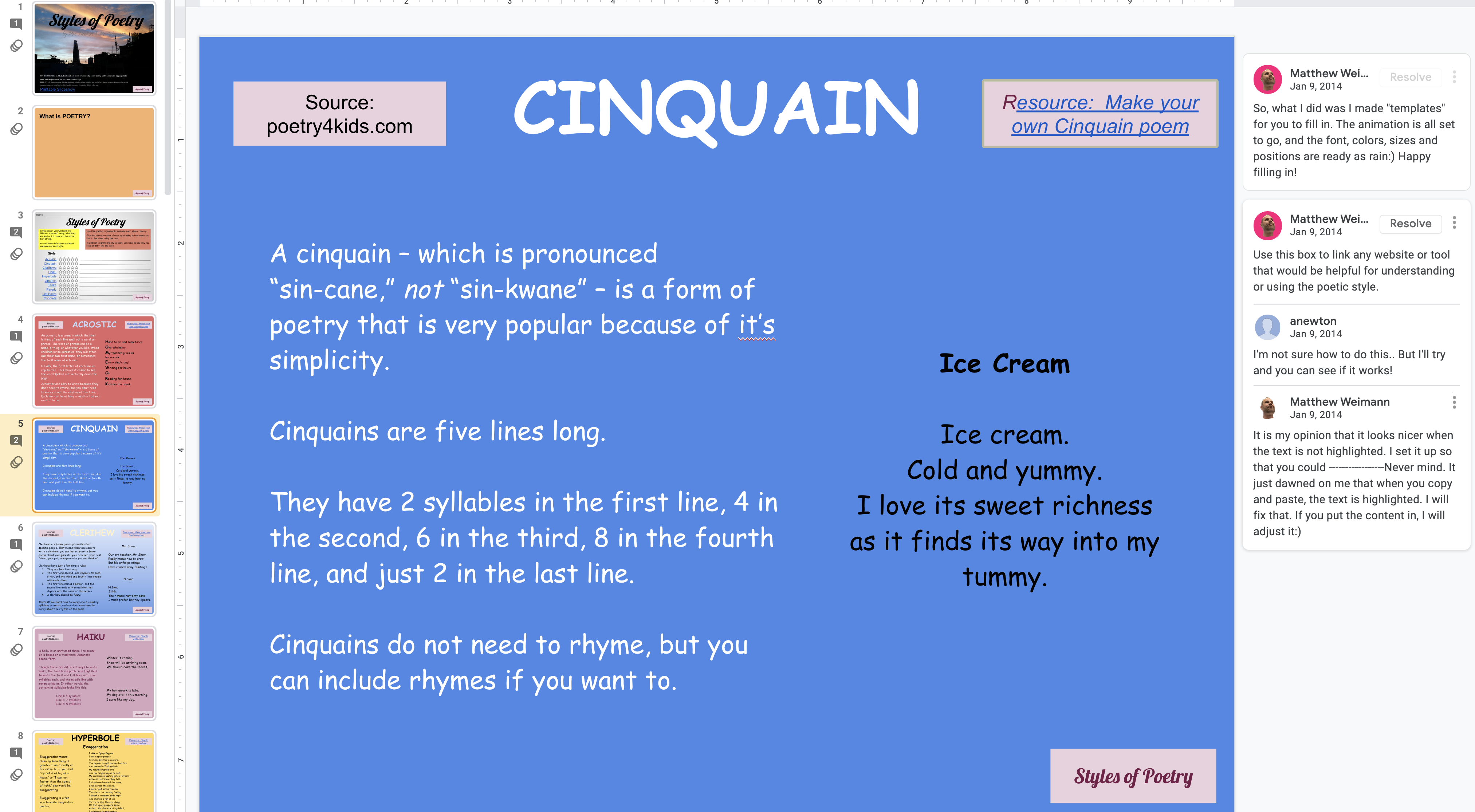
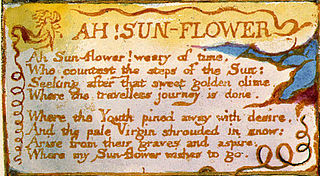 Then I became an elementary teacher. Poems are everywhere! Teachers begin the day with them. They are read on the morning announcements. Magazines end with them. Children’s literature is littered with them. Come to find out, some of my favorite authors celebrate poetry throughout their texts. Roald Dahl’s novels are packed with poetry. How did I never see this?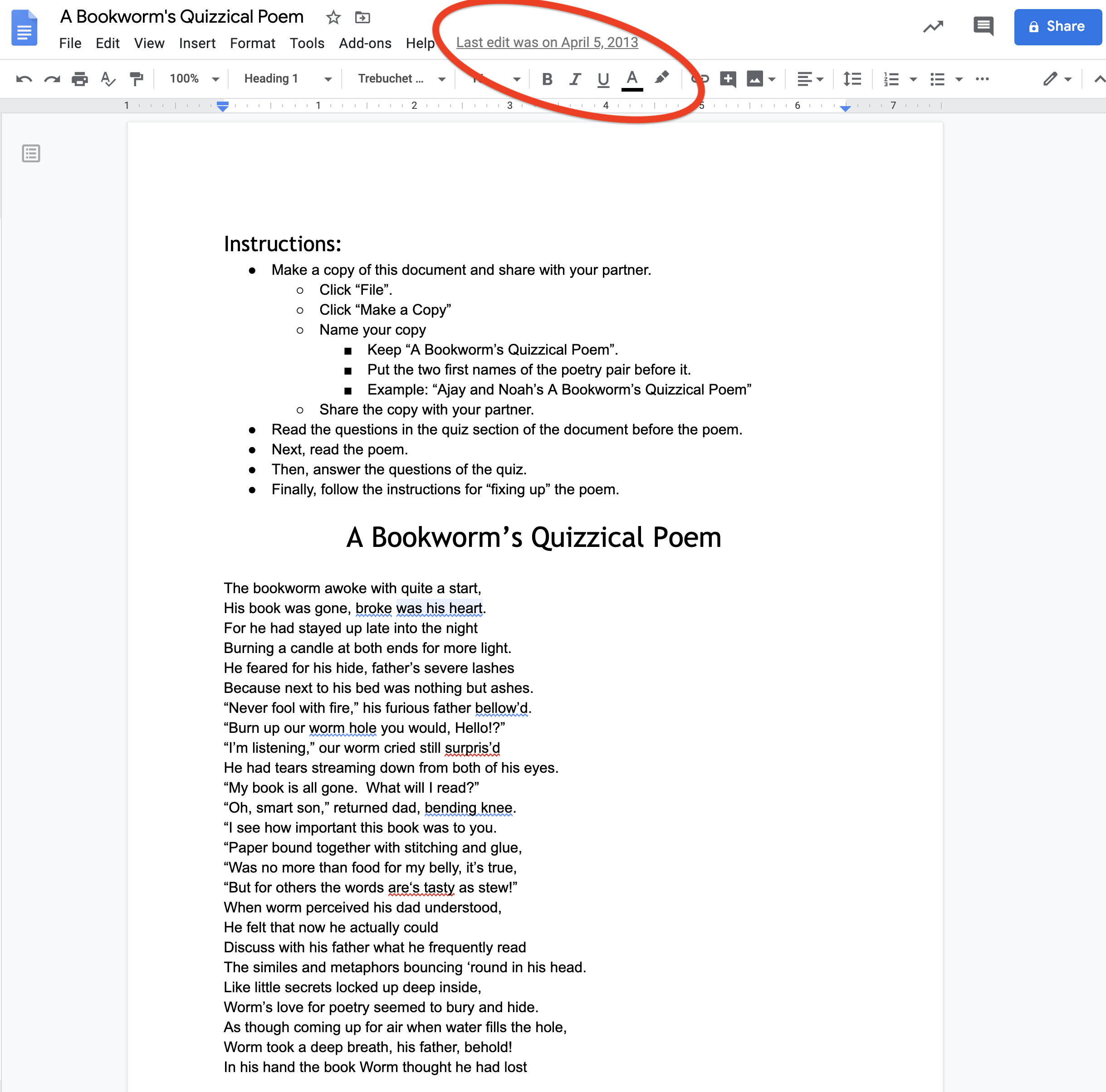





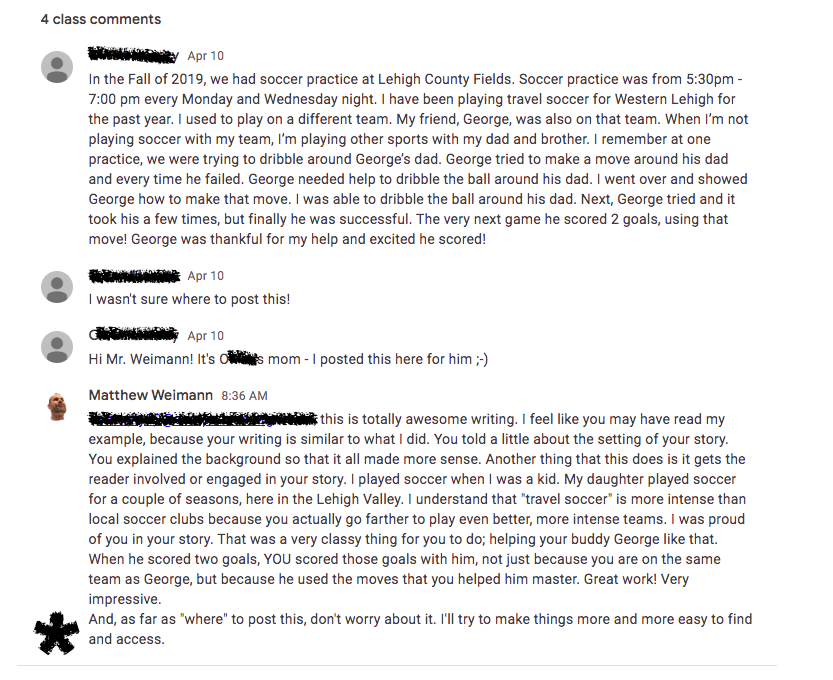


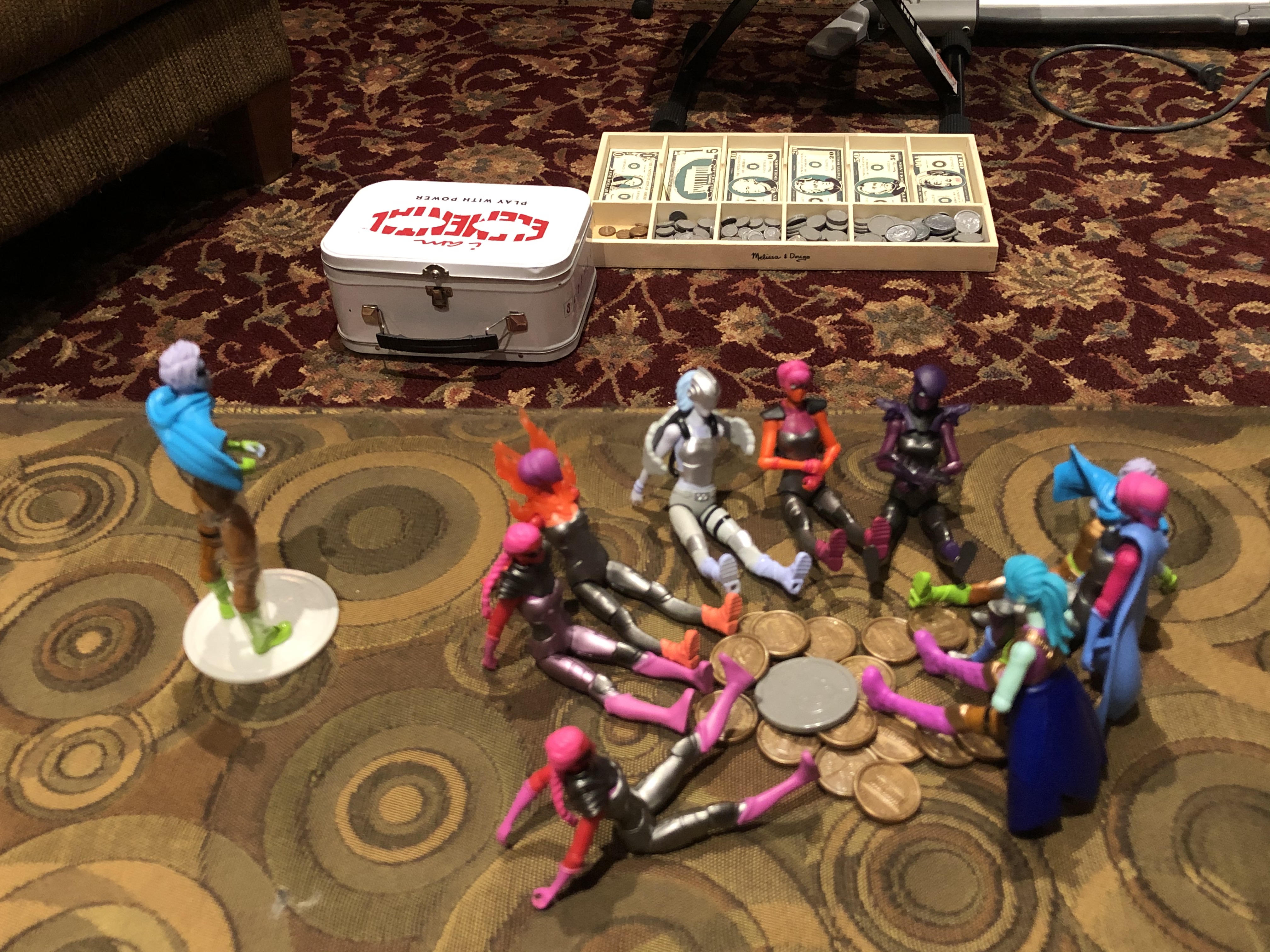
 I closed the device she was using and drew a grid. “I’m going to teach you a homonym; a multiple-meaning word,” I told her. “This is a table; not the kind you eat on. You use this to make sense of numbers.”

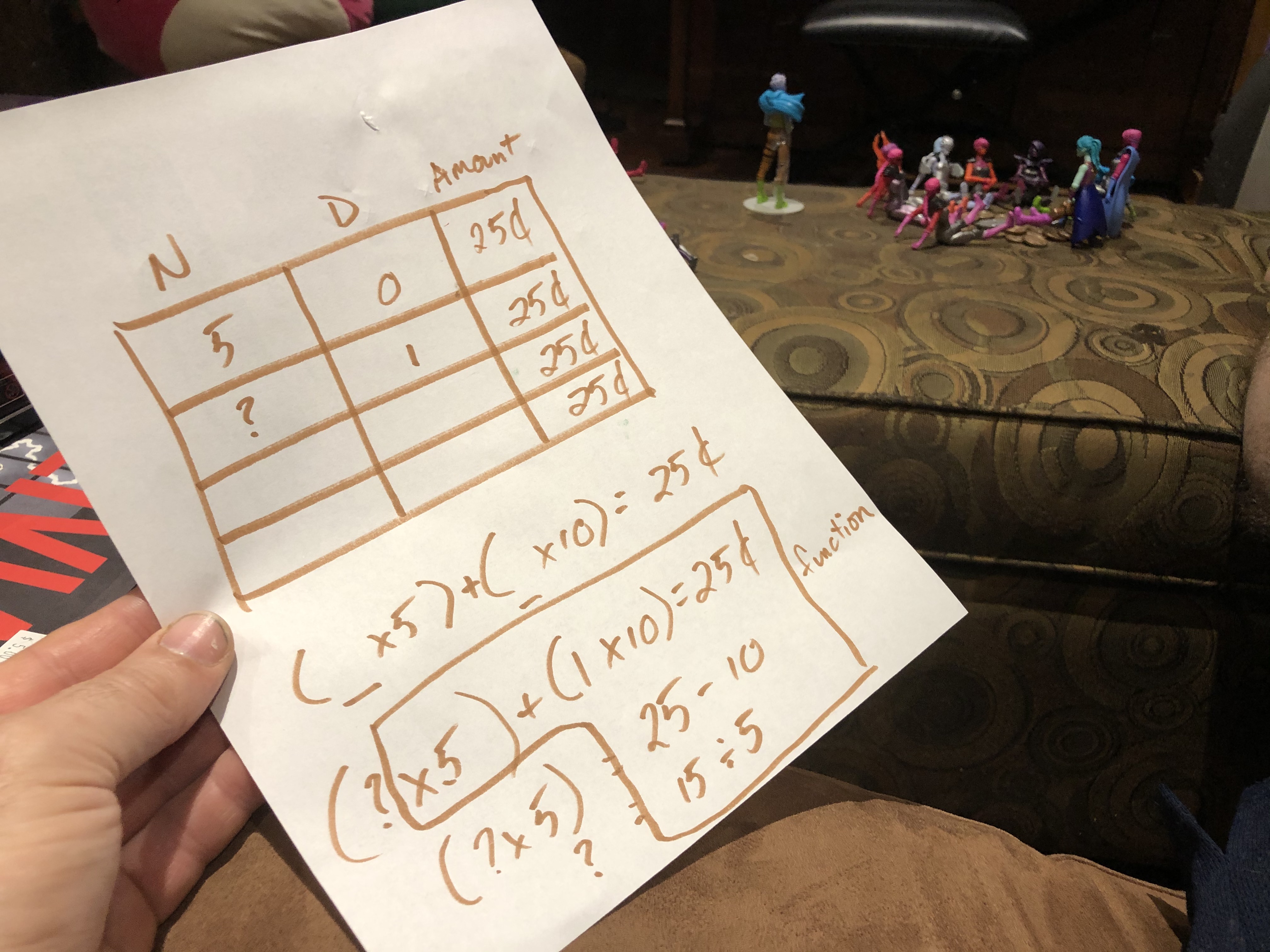





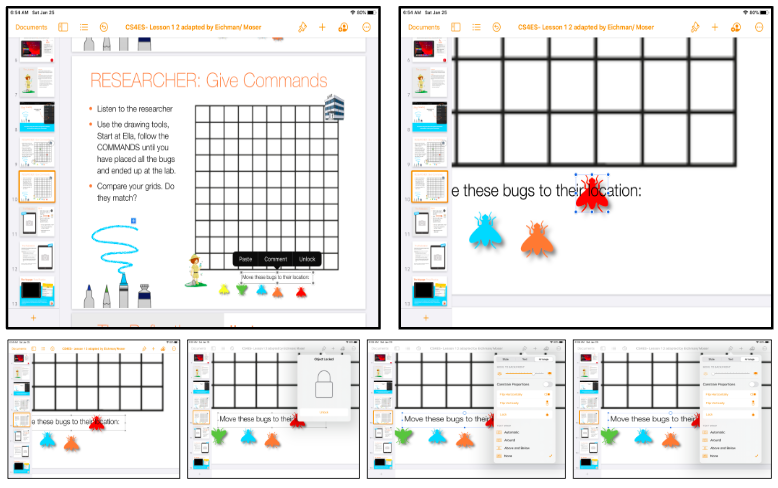



 Before leaving the carpet, I showed the students how the block-coding in the Sphero app worked. I drew the “Roll” command on the board with labels explaining/reminding what each bubble was for: Direction, speed, and duration (time).


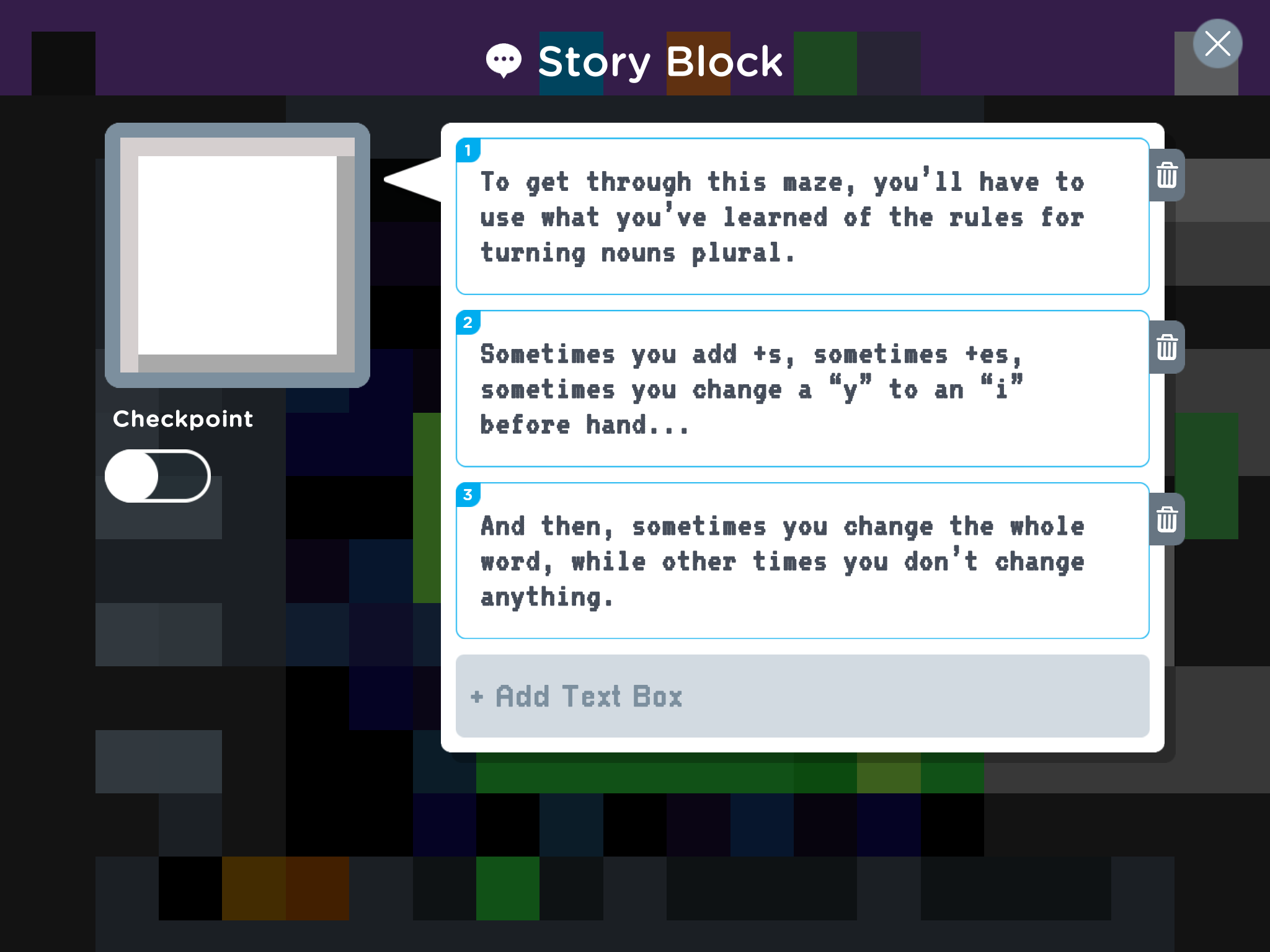
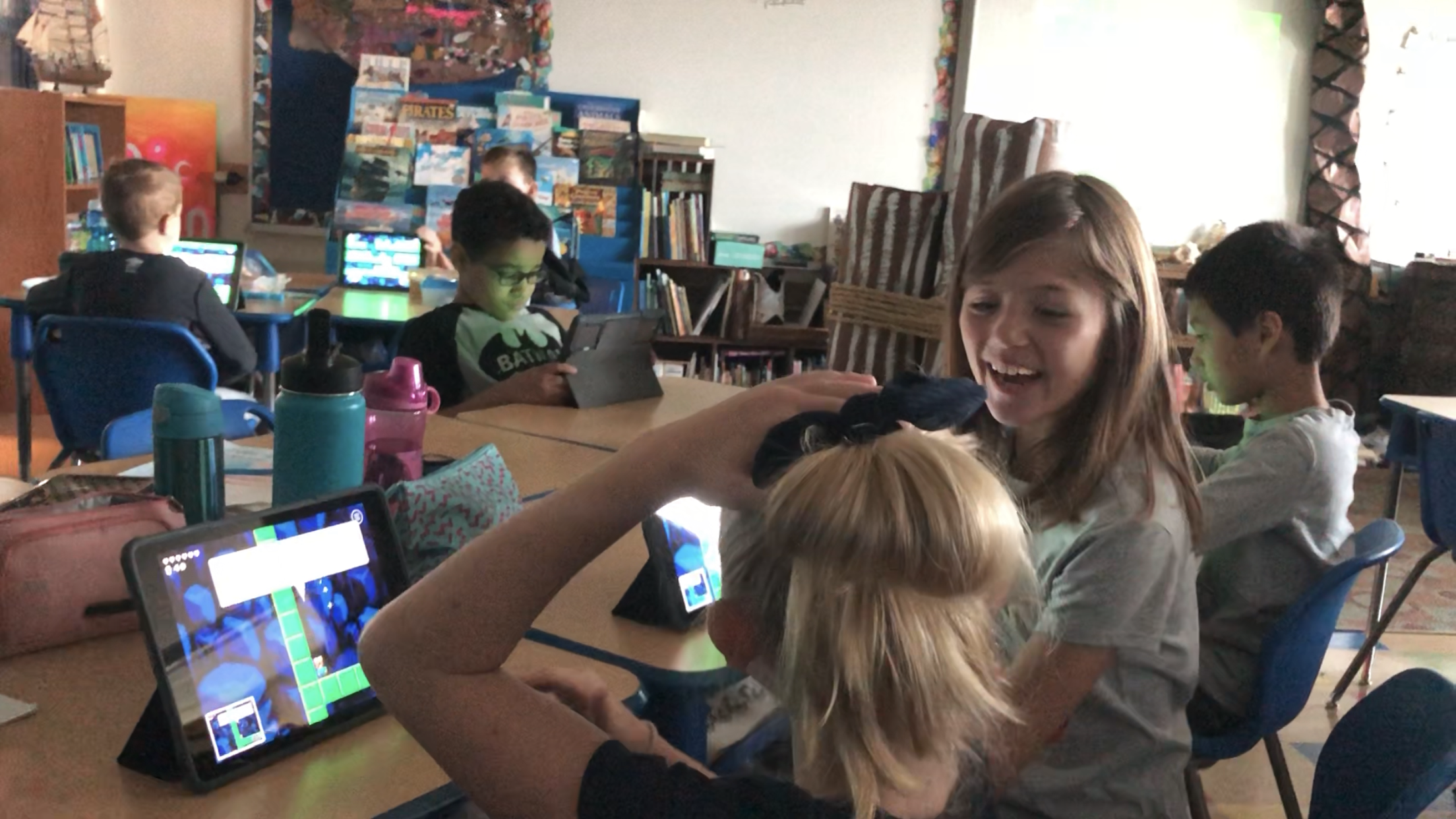


 Before disguising the blocks, I first created all of the questions and answers that would guide students through the maze. I varied the nouns and the way they were presented. Some questions had fill in the blanks, while others presented a singular noun, but asked what the plural version would be. After planting all of the questions and directions, I played the game, to make sure that the player would not have any hangups. This showed me places where I ought to spread out the path of the maze. There were places where it folded too close to itself. I didn’t want players to accidentally skip questions by stumbling into the correct channel through a mishap.


 The Captain of Class