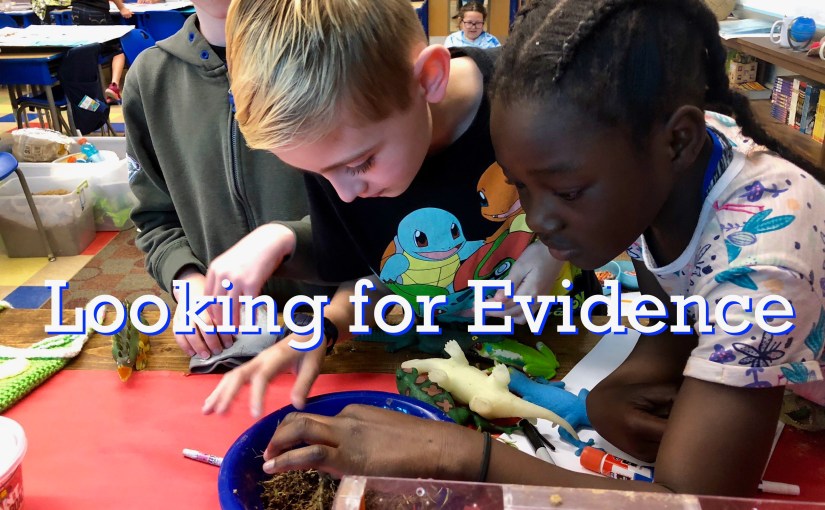
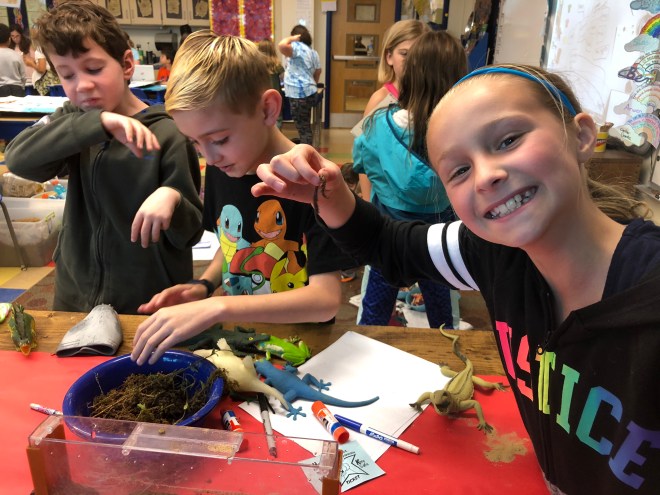
Most people have heard of the ice-breaking game, “Two Truths/One Lie.” I enjoy this little game so much that I have incorporated it in my first week of school for several years. I changed the name to “Fact vs. Falsehood” because I am a fiend for alliteration and I don’t like the idea of teaching kids to lie. Additionally, it affords me a teaching opportunity on day one: I break out the vocabulary word, EVIDENCE.


In the past, I would teach the difference between fact and false, and inevitably get things muddled with the concept of opinions. I recently saw a tweet by @tomascmurray, who will be keynoting the East Penn Back to School Assembly for teachers on Aug. 22, that gave me an awesome idea for changing my game. He suggested having interactive, thinking-oriented items on desks when students arrive on the first day of school, rather than a pile of books and papers. I loved this idea!
This year I plan to marry two games, and let kids work on figuring out the rules on their own. In addition to “Fact vs. Falsehood”, the second game is “Classmate Scavenger Hunt”. Traditionally, kids would have a piece of paper with a list on it. They would work on finding other kids who share the same experiences, opinions, and criteria from the list. They write the names of peers next to statements as they find students who fit the descriptions.
This year, however, I plan to break up the Classmate Scavenger Hunt paper list. I will make cards that contain one statement each. They will be placed in a bowl that I’ll put in the middle of each group of desks. Some example statements include:
- I don’t have any pets.
- I have more than one favorite color.
- I have written a book. (Some kids love writing stories into mini booklets.)
- I took the bus to school today.
- I have never been to Disney World.

- I love to swim.
- My birthday is in the spring.
- Summer is my favorite season.
Because there won’t be anything else on the desks, and kids can’t help but touch stuff, I expect that they will begin digging into the bowls and looking at the cards. I hope that they communicate with each other about the statements, finding out which ones they have in common. (Later on we can use the cards to make Venn diagrams, displaying similarities and differences between students.)
In the past, I taught the students in a whole group setting the difference between “facts” and “opinions”. This year, I am going to see if kids can figure out the difference by separating their cards into two different groups. I won’t tell them what the criteria is. They may decide to make a pile of things the classmates all share in common, leaving the rejected statements to their own pile. That would make sense. I’ll simply have them try to find another difference or criteria to categorize the two piles, until they realize that some statements contain phrases that make them opinions.
Eventually, I’ll bring the thinking around to noticing that some of the statements can be proven, while some are impossible to prove, even though you might feel like they are true. The ones that are “prove-able” — able to be proven — are facts. And, how can you prove their accuracy? With… drum-role… EVIDENCE.

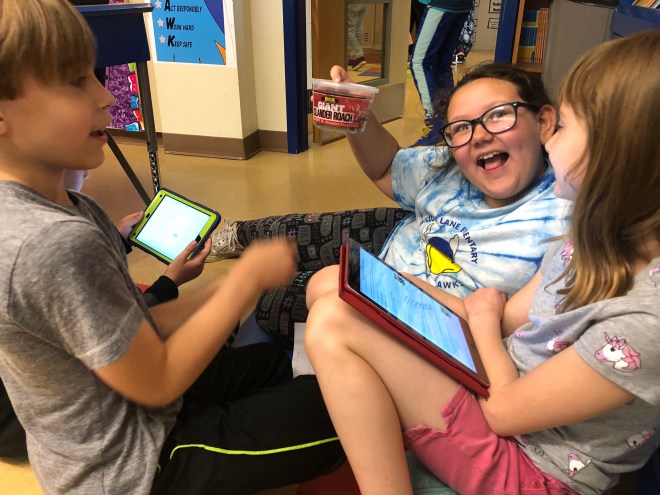
My birthday is in the summer. This is a fact. What proof do I have to support this? The evidence can be found in a few places: Driver’s license, birth certificate, social security card, passport, etc.
“Summer is the best season” is an opinion. No matter how much you love it, or how many people agree with you, this is NOT a fact. You simply cannot prove that summer is better than other seasons. It might seem that way, but there isn’t any evidence to back up the statement.
Opinions are not bad or wrong to use. In “5 Classy Elements of ‘The Story of Mankind’ (1921)” I praised the author, Hendrik Van Loon, for providing his personal opinion within a history book. I enjoyed reading some of the ideas that he gleaned from his study of world history. It is helpful to let people know your likes and dislikes. Those are opinions.

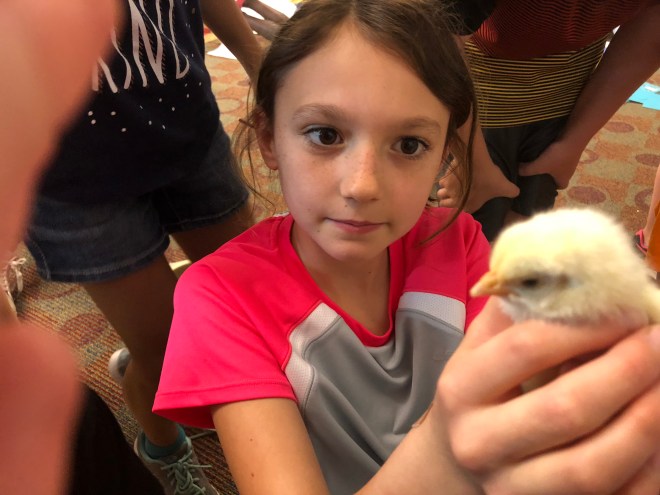
Trouble arises when opinions are made to seem like facts. “I have a lot of homework” might seem like a fact, but in actuality, this is an opinion. When the phrase “a lot” is used, a statement that might otherwise be a fact turns into an opinion. “A lot,” compared to what? Comparing your amount of homework to what a kindergartener brings home would make it seem like a ton. But, compare your homework to what an eleventh grader might receive, and your task is minuscule! You DO have homework. That is a fact. You can prove that. Your evidence is written on your assignment book page, and you may even have physical papers that are not yet complete. So, saying “I feel like my homework will take a long time to complete” may be a more accurate statement than the one above, but until you actually complete it, there isn’t any evidence to prove just how much homework there really is.
“My homework took twenty minutes to complete, last night.” This is a fact, as long as it is true. There are parts of this statement that can be proven. Did you do it last night? Did it take twenty minutes?
| Falsehood (untruth) | Opinion (feelings) | Fact (prove-able) | Classy Fact (dressed up) |
| “My homework took me two hours to do!” | “It felt like I would never finish my homework last night.” | “It took me twenty minutes to complete my homework last night.” | “I was surprised to find out that it only took me twenty minutes to do my homework last night, because it felt like it was taking forever.” |
Facts can be dry and boring. That’s why we season them with opinions. “My birthday is in the best season, summer.” Your birthday may very well fall within the calendar days that land it in the season of summer, but who is to say that summer is the “best season”? That is your opinion.
Also, opinions are increasingly useful, the more they are explained. While you can’t actually prove an opinion, you CAN support it. A classy person may say, “I love summer because you can swim, there isn’t any homework, and my birthday is in August.” Now, we understand several reasons that cause you to like summer more than other seasons.
For “Fact vs. Falsehood” to work, students should write down two facts that can be proven with evidence, along with one untruth that also can be proven inaccurate with evidence (i.e. “I have three sisters” could be a falsehood if a student only has one.) After students compose their sentences, we go around the room sharing and guessing which of the three statements is false. In this way we learn a little about one another, hear each other speak, practice good listening habits, and appreciate some classroom rules.
To close the entire lesson, I might display the following table, reiterating the differences.
| Falsehood (hyperbole) | Opinion (feelings) | Fact (prove-able) | Opinion/Fact (classy compound sentence) |
| “There were one hundred people at my house last night.” | “There were too many people visiting last night.” | “I had five extra people in my house last night.” | “Five people probably doesn’t sound like a lot, but that more than doubled the normal number of people using the bathroom, showering, and making messes.” |
Every year, just before school begins, family visits my house. It is the end of the summer for them, which is a perfect way to wrap it all up. But, it is the beginning of my preparing to start the school year! I’m happy to host, but it is not the best timing. Is that an opinion or fact?
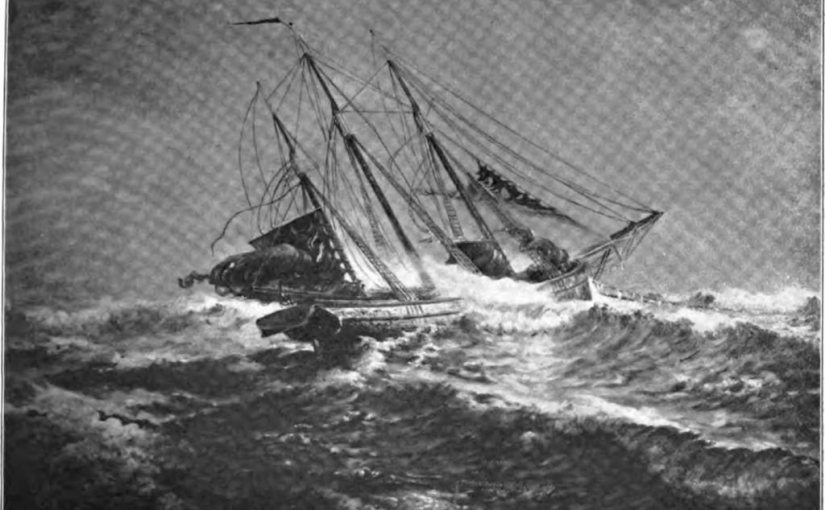
 What caused “The Dark Frigate” (1924) by Charles Hawes to rise to the top of the pile of books; best of class; from that year? I’ll be honest with you; When I first began reading the text, I was not very impressed. I shared in a previous blog, “
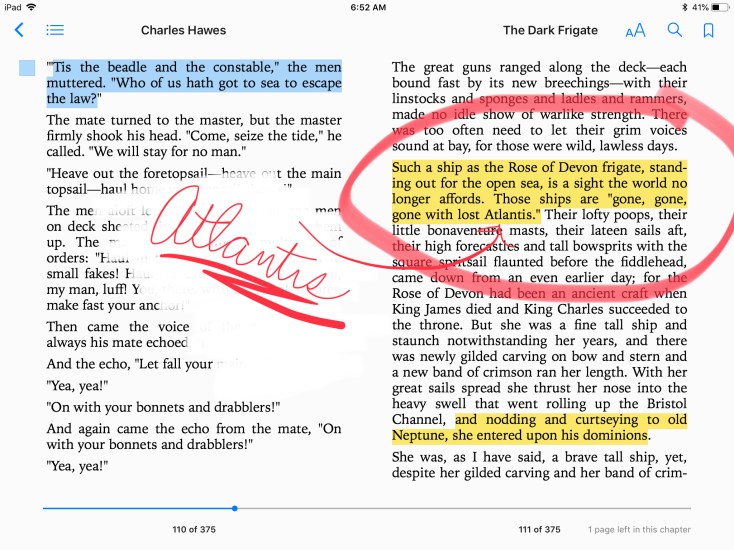 Through “The Dark Frigate” (1924) Charles Hawes romanticizes eighteenth century English literature. More than it being an adventure on the high seas, it is a vernacular venture in archaic prose. It seems to promote a nautical nostalgia on the verge of disappearing. This was written during the industrial boom, when trains were rumbling through country, trucks bouncing through city, steamships cruising the seas, and planes on the verge of filling the skies. Sailing vessels were as efficient as using horoscopes to forecast the weather in an age when scientists had instruments to accurately predict tomorrow’s temperature.
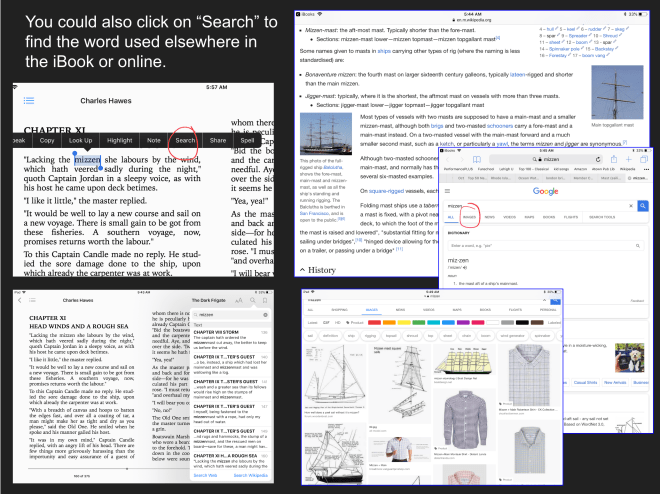
  reading, when I noticed the style of my writing was being affected by the text I was consuming. I laughed at myself and took a screenshot. My use of language was assimilating some of the prose from the book!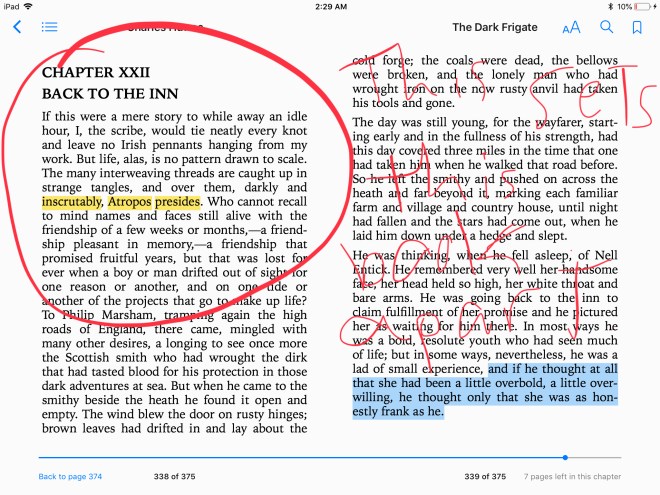

 down.” I don’t just withhold my smile until Thanksgiving; I’m not even pleasant for several weeks into the year! Of course, I am kidding. The pleasantries are paired with the smile, and it is more like Christmas when they appear. It’s my Christmas present to the


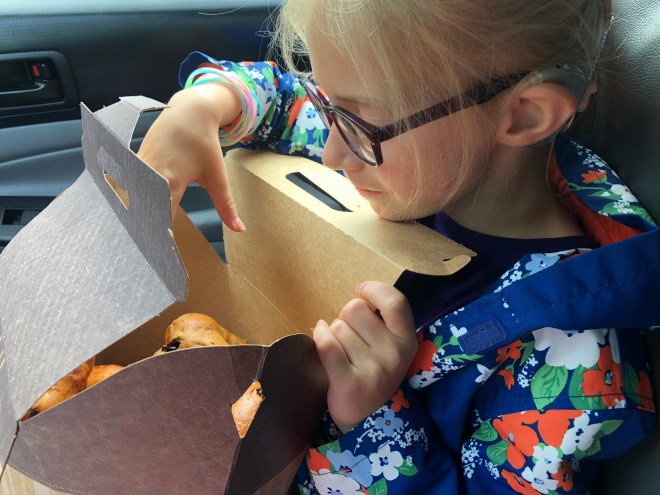 with sugar piled on top. When I asked the person behind the counter to slice and toast two of the bagels, so we could eat them then and there, I was told that I’d have to buy two more bagels, outside of the baker’s dozen. “




 same way a tree does not fall in a forest if no one is there to hear it, a person is only as creative as people recognize it. My suggestion: Cloning your creativity is classy.
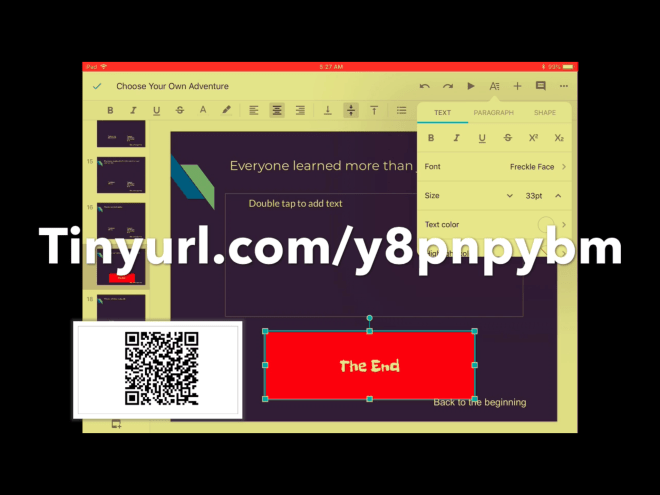
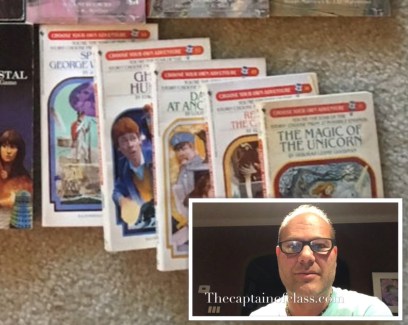 problems within plots.) In preparation for teaching a professional development class on using iPads in the classroom, I decided I’d finally try my hand at making one of these adventures. I created a planning paper, made a Google slideshow, hyperlinked slides together, and wrote a silly little story about the teachers that would be attending my iPad course. I even made a movie to show teachers how I did what I did, so that they could reproduce (clone) it.
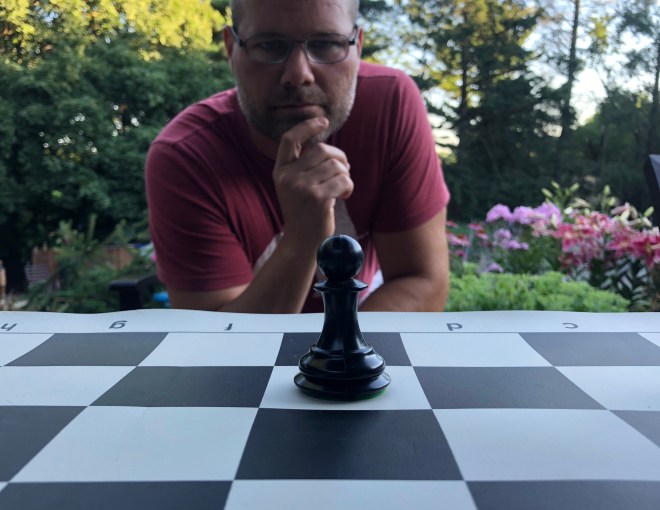
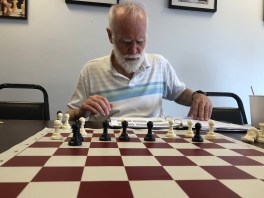 who could teach a plant to play competitive chess. He cleared the chess board of half its pieces. Yesterday, we learned all about how to help kids comprehend the use of every chess piece, save one. This one covered two entire ranks* of the board before me.
  “No other piece has more rules governing it than the pawn,”
  these rules do NOT protect the weakest member of the team. On the contrary, it is the rules that make it weak. The pawn is not allowed to retreat; It can’t move backward. While other pieces can simply land on a space, capturing the piece occupying the square, a pawn is not allowed to attack straight on; It must attack diagonally. This restricts its movement, so that the pawn cannot move forward when something is blocking it. Pawns get stuck all over the board, forced to wait for the pieces in front of them to be captured or moved. Ironically, the ONE unique power of the pawn, its ability to move two squares forward for its first move, can even be stripped away through

 for its first-ever children’s literature award winner. Was the organization making up for only just now (1922) beginning to honor kids’ books? Were the organizers thinking they’d catch everyone up to speed? “This is what has happened in the past; Now, lets award one book each year.” I’ll tell you one thing: This is one classy history book. Here are 5 features I found to be extraordinarily classy.
 just public prayer from schools. A friend of mine told me recently that she was pointing out the similarities between the Greek myths and the story of Moses from the Bible. Her students had no idea who Moses was. Whether you are religiously-minded or not, this should alarm you. I am pleased to report that Van Loon mentions Moses, Abraham, and even Jesus in his history of mankind. He does this in a classy way. Rather than telling the reader what the Bible says, Van Loon provides outside sources. For example, a letter from AEsculapius Cultellus (Roman physician) to his nephew, written in 62 A.D. tells of a first hand account of treating Paul (the apostle) of the New Testament (p. 119).
 4. Thought-Provoking
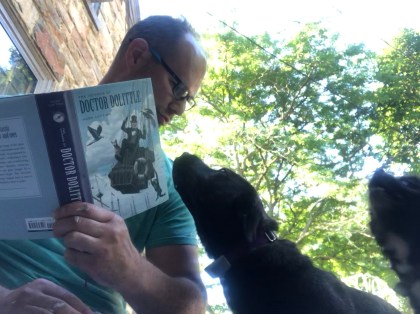 Although I read “The Story of Mankind” first, I haven’t finished composing my blog for it. The book covers all of history, from the beginning of time to the “Great War.” (World War II hadn’t happened at the time of its publication–1921, so “World War I” was not numerated yet.) It is going to take me a couple of days to whittle my thoughts down to a handful of classy things. For this reason, I am providing my thoughts about the second ever Newbery Award winner, “The Voyages of Dr. Dolittle” (1923) first.

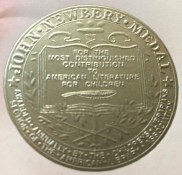 of The Captain of Class focusing on Award-Winning Books. A couple of years ago I purchased a poster from Scholastic Book Publishers that had pictures of all of the John Newbery Award winners on it. After laminating it, I hung it on the wall to inspire reading high-quality literature. When I look at it, I feel a sense of pride in how many of the winners I have personally read.
 One day, as I looked at the poster, a seed of an idea rooted itself in my mind: If the ones I have read were as good as I remember, I bet the others are great as well. Borrowing a metaphor from “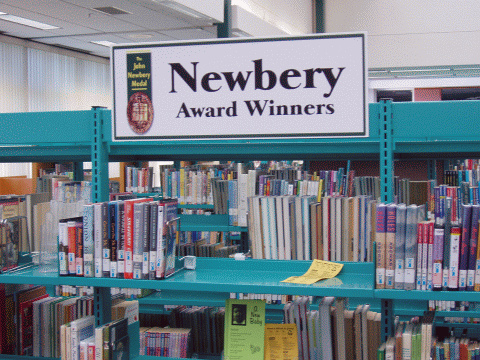
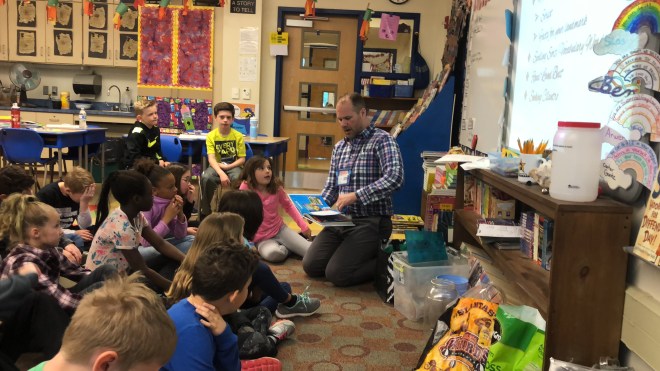 dealers using this tactic to create dope addicts (Commonsensemedia.org). Luckily, I am a quick reader and saw some verbiage ahead of time, so that I nixed that section. I did not remember that being in the book at all! It isn’t all that terrible a thing to be in the text, but I felt out of place explaining to my 8 and 9-year-olds what dope addict and marijuana were.


