
We all know that selective word-choice can enrich writing (Academy, 2021). It will lend clarity to a story, deepen emotional attachment to a character, and broaden the understanding of a topic. Contrastingly, misused vocabulary can harm the message of a text. And, weak words will water down its substance. Therefore, building a thorough understanding of a wide array of words will prepare students for increasingly effective communication. As it turns out, I have a game that will make your learners crave vocabulary-building.
Would you like your students to beg you to learn new robust vocabulary? Try Balderdash.
I call the game “Balderdash.” (There is a board game version, but I’ve never used it. From the description, it seems to contain the gist of what I present here.) The name is unique enough to spark interest and be memorable. It also lends itself to the core of the game; Playing with unknown words.

This is how I introduce the game to my students. I start off by explaining that this is a game of definitions.

“How many times have you been reading an entertaining story, and really enjoying yourself; Then you come across a word that trips you up? All of a sudden, you don’t know what is happening. Why are the characters acting so weird? What did you miss? They aren’t always big words, but misinterpreting the meaning of a word can turn a heretofore simple tale on its head (irony in italics;).
“In this game, you will be presented with a word that you probably don’t know. That is okay. You aren’t supposed to know what the word means. If you DO know what it means, or if you think you know what it means, that is okay, too. But, don’t tell anyone. You can earn points by writing down a definition that is really close to accurate.”
Here’s how it works

- Have a list of your students handy.
- Hand out index cards or sticky notes. Tell students to keep the papers UNFOLDED. Also, do not write on the cards until instructed. (They must look the same.)
- Have your students write their names on the top. Everyone should use pencil, and don’t do anything to your card to make it appear unique. (You will understand why in a minute.)
- Next, come up with a word that students will not know. You could begin with “balderdash.” This would make the game that much more memorable! You could use a vocabulary word from a list of words you want the class to learn. You could even flip through the dictionary, looking for tough words.
- Write the word on the board, so that everyone spells it correctly. You may want to write down some phonetic tips. I will sometimes explain what part of speech it is; perhaps even a hint. (i.e. This is a noun; and although this game might be named “Balderdash,” that isn’t what it means.)
- Tell the students to make up a definition for the word. Explain to them that their peers are going to vote on which definition sounds most likely to be true or accurate.
- While the students are writing their definitions, you look up the true definition of the word. (I don’t recommend relying on your own interpretation. Even if you do understand the word, it is best to deliver the scholarly definition first.) You will need to put the definition into kid-friendly language. Your definition will need to match the ones that students hand in.
- Walk around and collect everyone’s index card. I recommend using a bucket or top hat for this.
- Read through the definitions to yourself, making sure that you understand what they say and are able to read them fluidly. You don’t want to supply any “tells” that one is NOT the accurate definition. If there are any that are similar to the actual definition, provide that student a point and remove the definition from the pile. (Reading 2 of the same definitions would let them know they are the true definition.)
- Next, place them back into the hat or bucket. Pull one at a time and read it. Do this once through without any voting.
- Then, repeat the process, but after each reading, have students raise their hands if they think it is the correct definition. You can only vote once, and you can’t vote for your own definition.
- Give the pupil who produced the phony definition a point for each vote. Whoever votes for the true definition also gets a point.
- After each round, share who earned the most points and the real definition.
In the same way a serious athlete might take creatine supplements to boost muscle-building ability in the body during intense exercise (Creatine, 2021), using games to increase enthusiasm for definition development can motivate kids to grow their vocabularies. Rather than get fatigued when faced with unknown words in texts, your students will view these as opportunities for growth.


An athlete takes creatine supplements to prepare their body for doing a little bit extra in each exercise, making the workout that much more beneficial. Balderdash is a reason for collecting large, complex, unfamiliar words, and tucking their meanings into memory banks for future use. Plus, it’s a lot of fun! game
Sources
Academy, E. (2021, November 12). Word Choice in Academic Writing: Tips to Avoid Common Problems. Enago Academy. https://www.enago.com/academy/word-choice-in-academic-writing-tips-to-avoid-common-problems/
Balderdash Board Game – the Game Of Twisting Truths. (n.d.). Mattel Shop. https://shop.mattel.com/products/balderdash-cfx43
Creatine. (2021, February 9). Mayo Clinic. https://www.mayoclinic.org/drugs-supplements-creatine/art-20347591











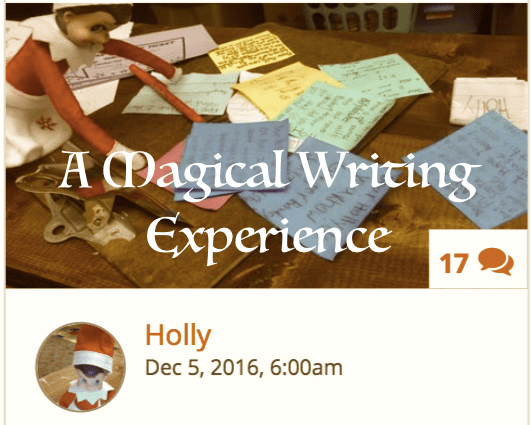

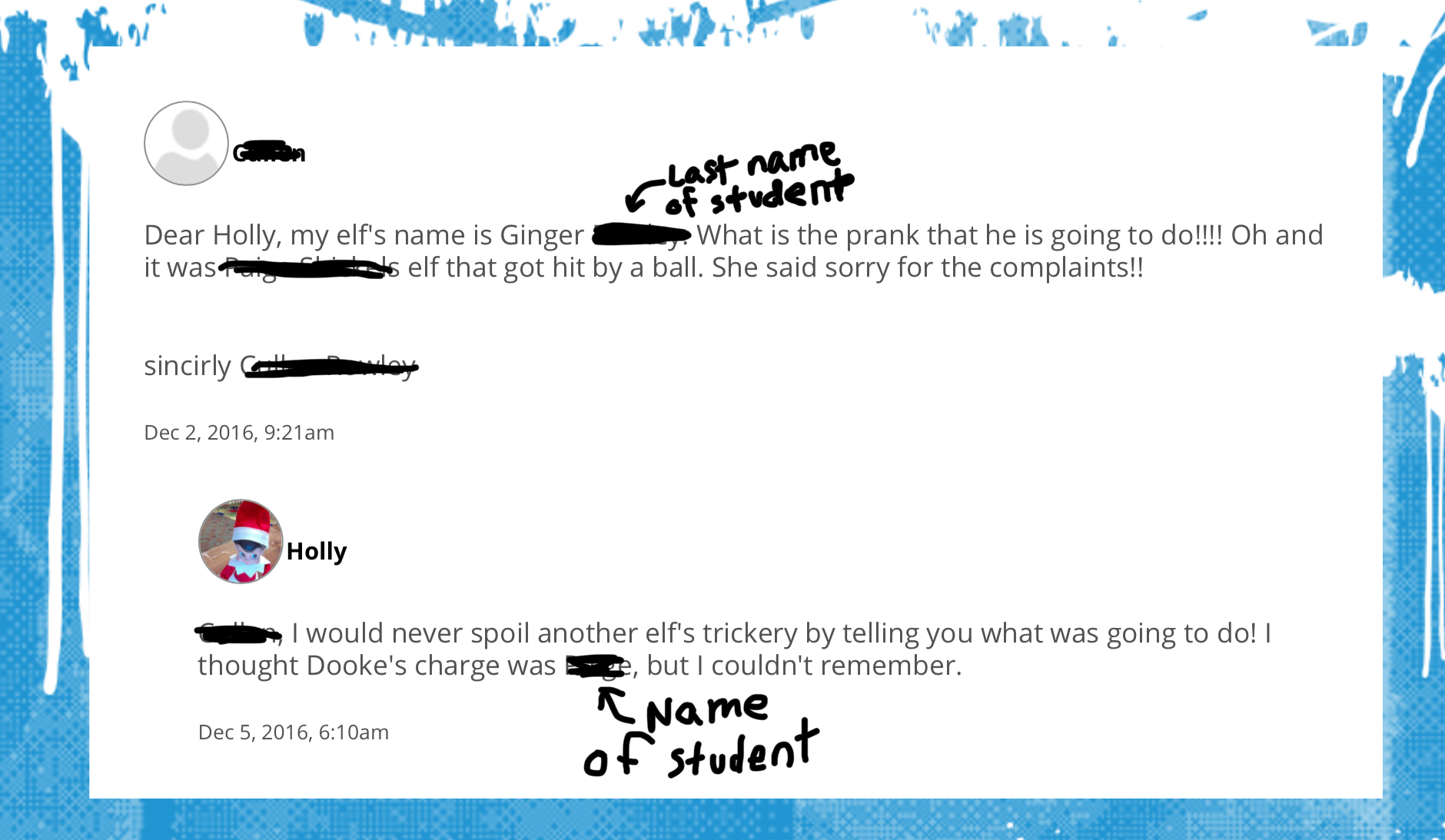
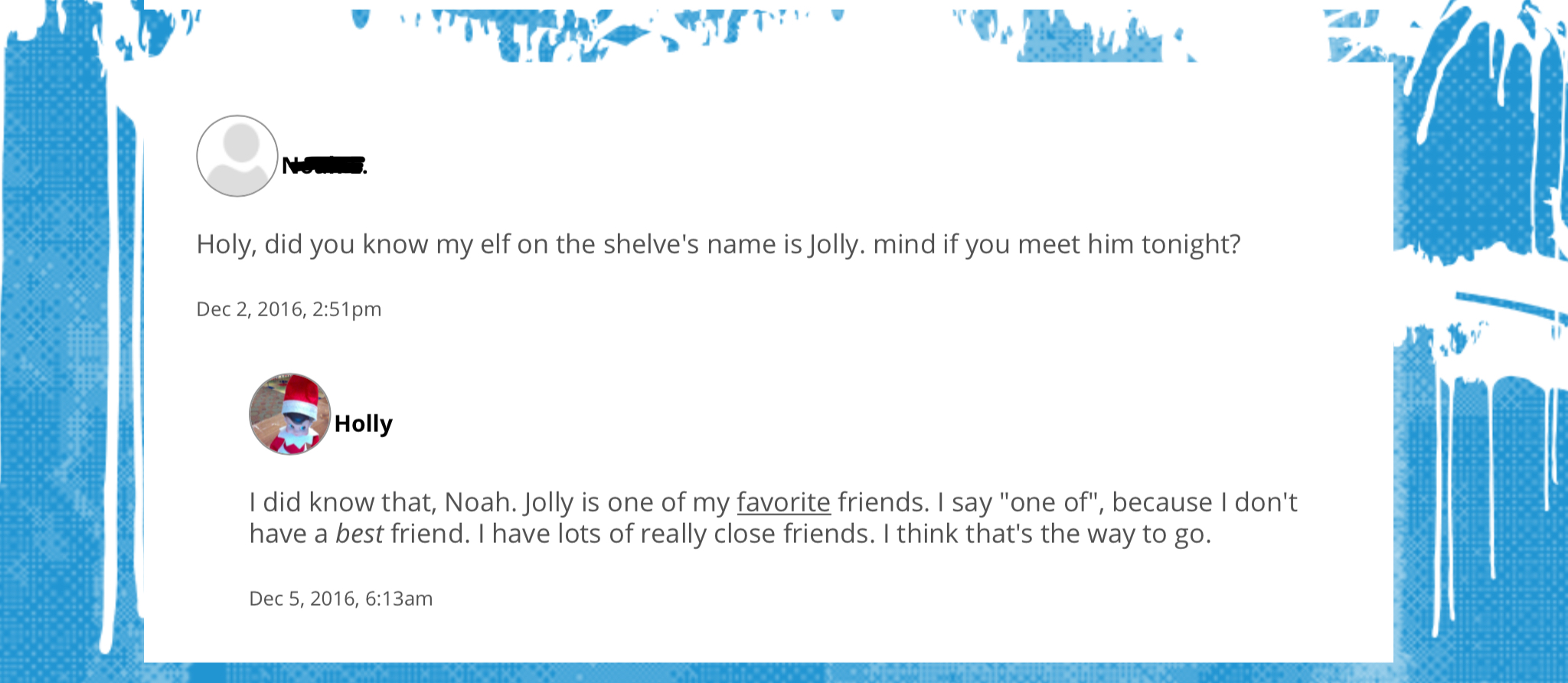
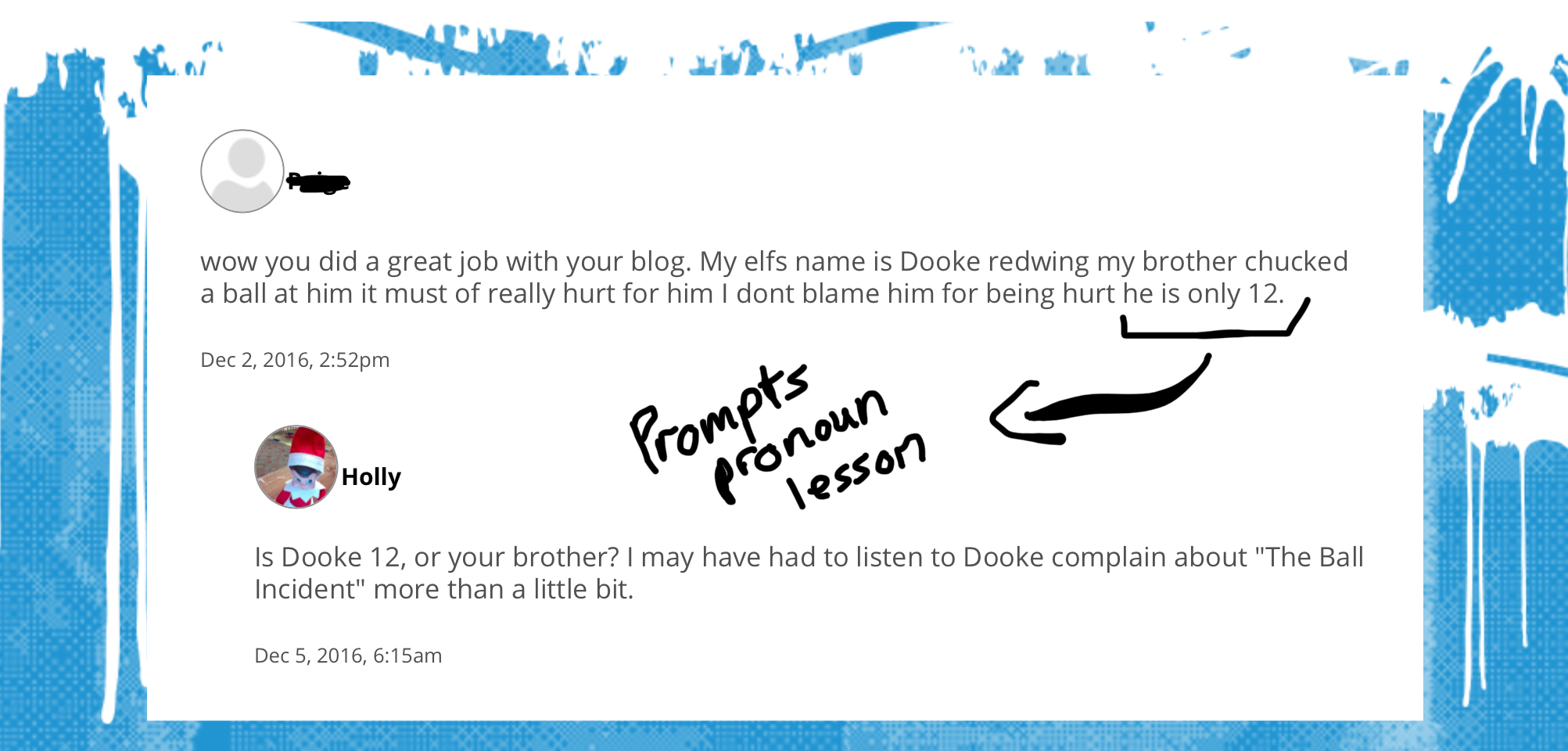
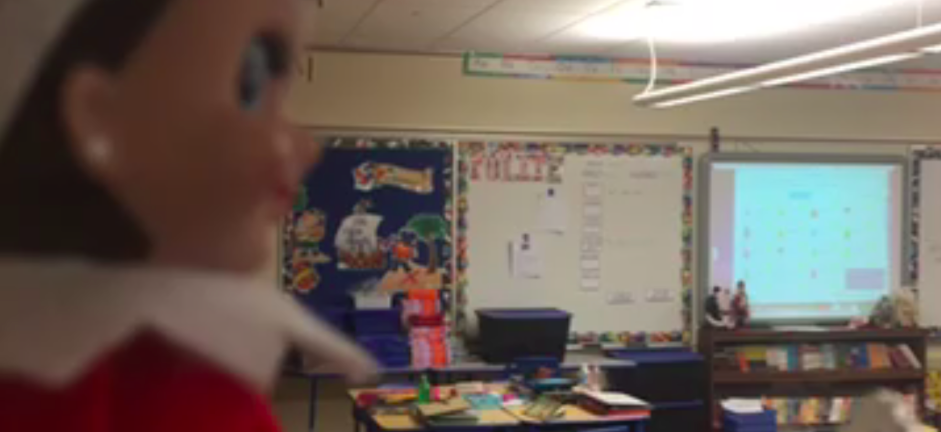
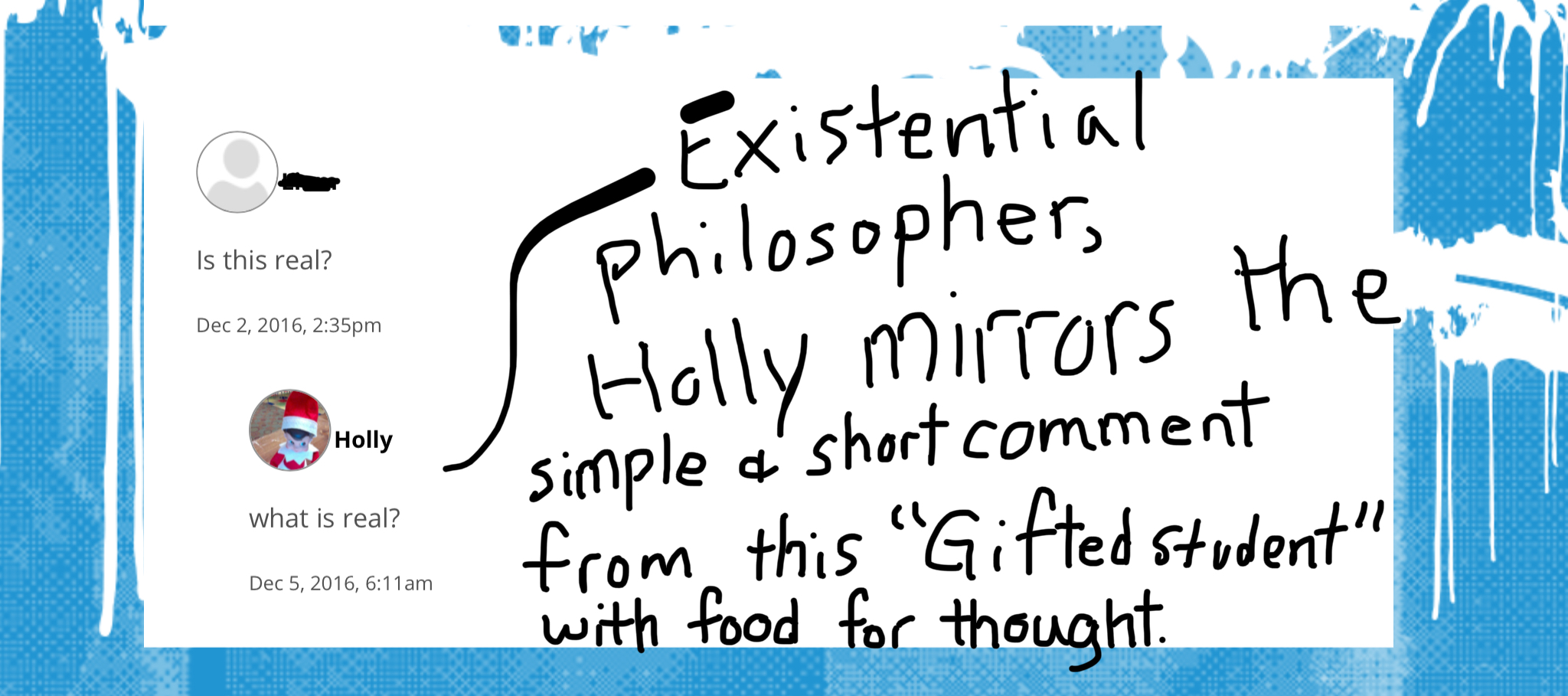
 Holly is my classroom’s Elf on the Shelf. She appears every year on the first day of school after Thanksgiving. Most students know the rules already. Many have their own elf at home. Each year’s students behaves differently. One year the Polite Pirates (my students) absolutely fell in love with Holly!





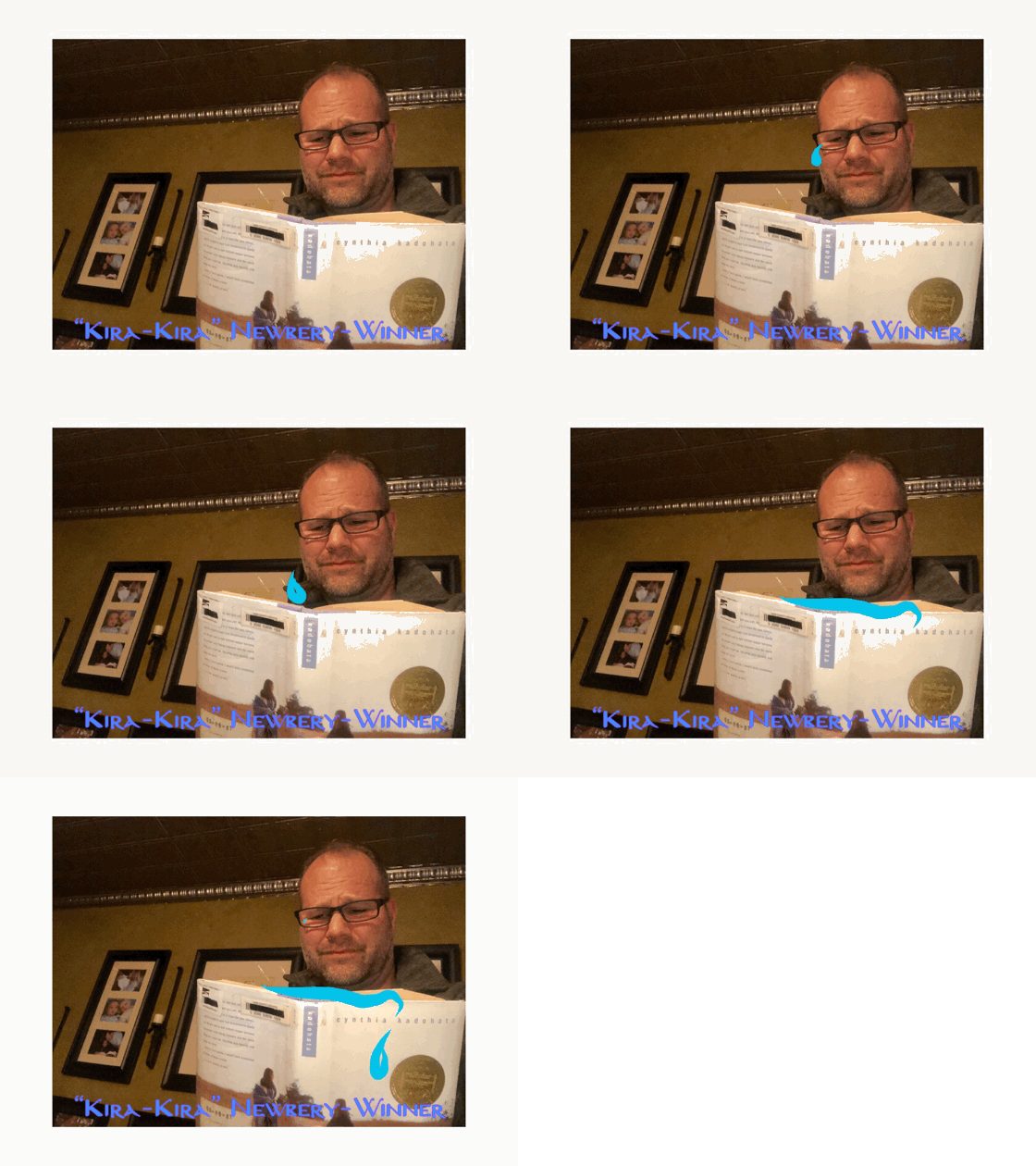
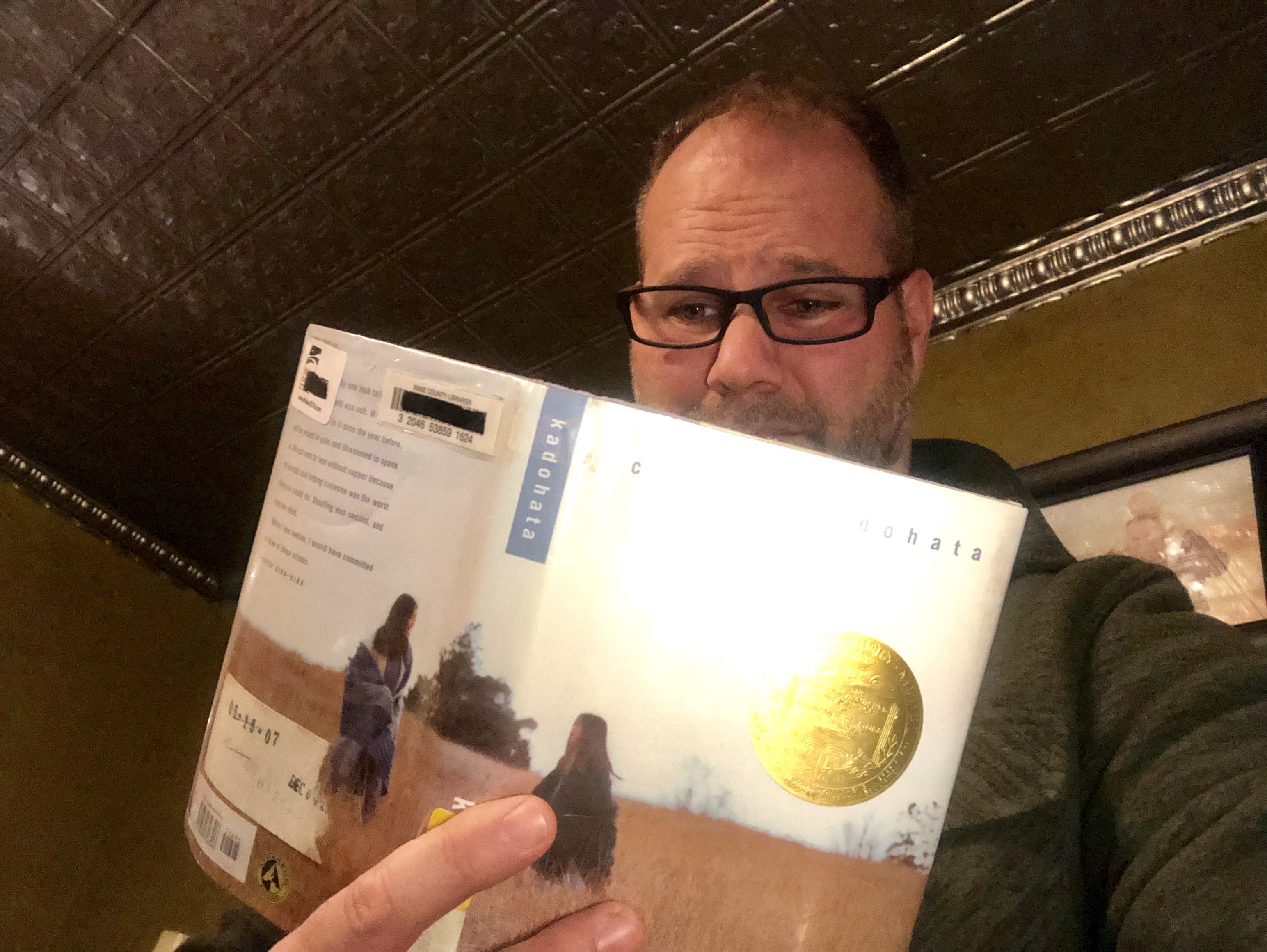
 struggled to blog about it. What angle do I want to use? How can I talk about this novel’s impact on me without giving too much of its plot away? I loved it, and I hated it; like something so bad that it’s good. And, I don’t mean poor quality–It won a Newbery Award!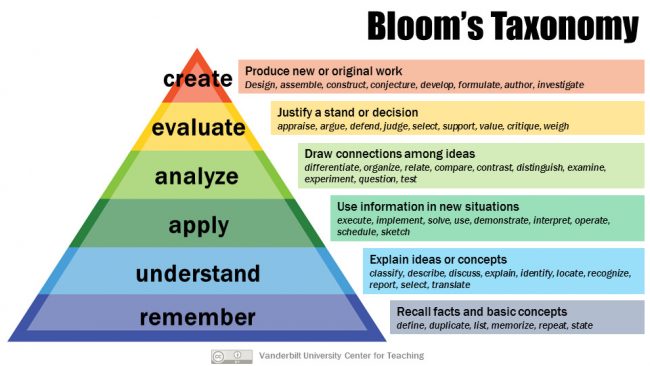
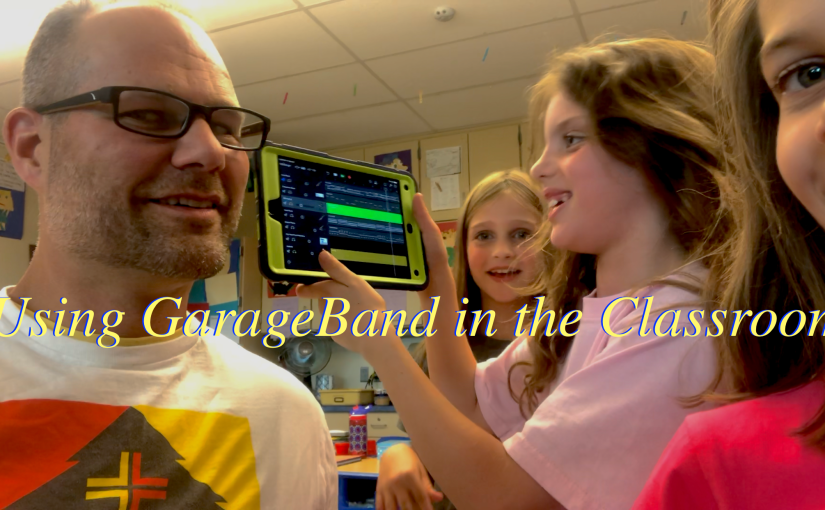


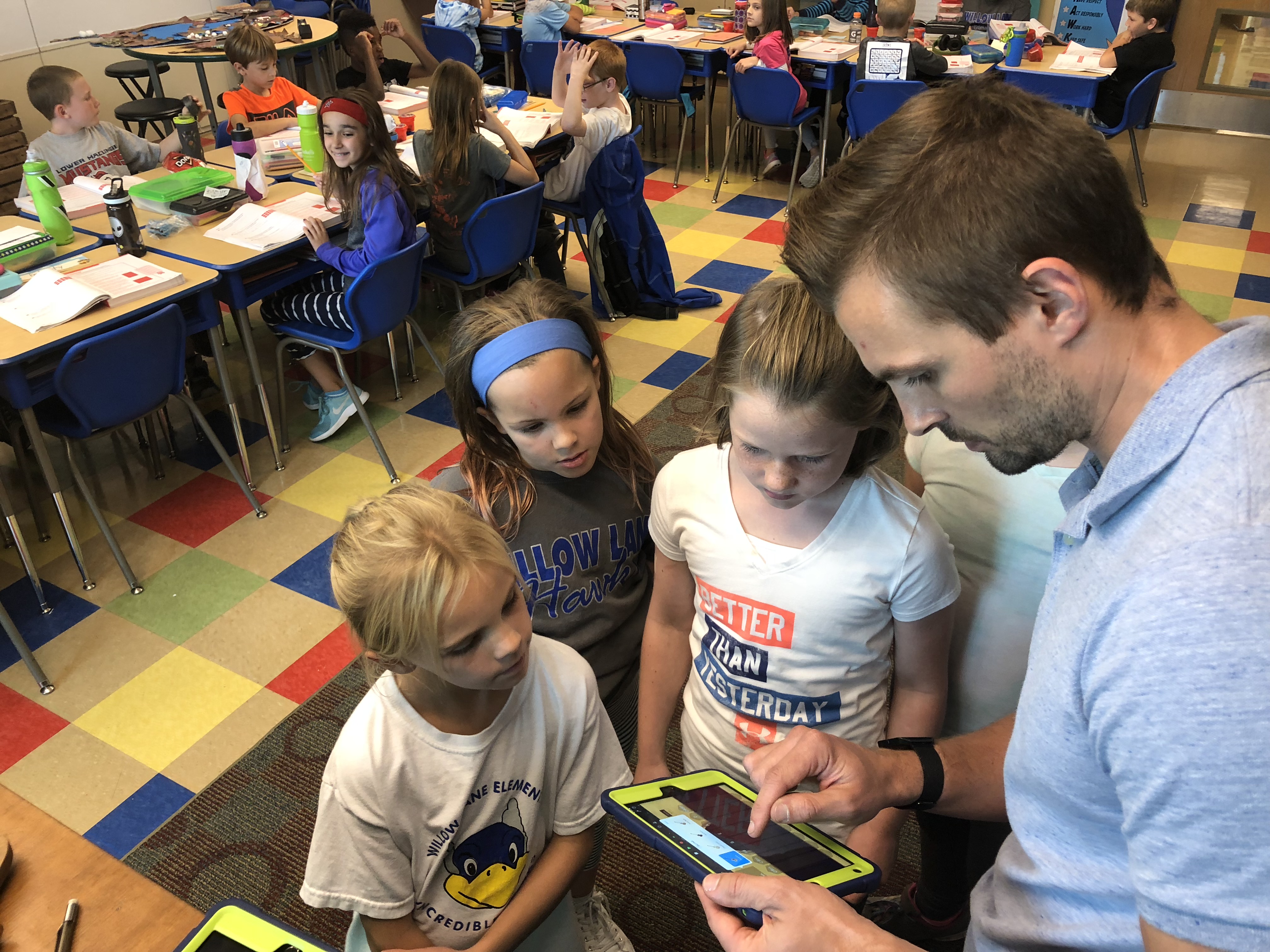
 C is for simple, yet complex. The song is made up of 4 verses with a repeating chorus. The chord progression is E, D, A, E, with the change on the first beat of each of four measures. Dylan Peters (@DylanPetersedu), the brand new Technology Innovator Specialist hired to East Penn School District this past summer (2018) worked with me from the get go to teach my students (and me) how to use GarageBand. We used the “Autoplay” feature to have the instruments play simple rhythms. After guiding groups through creating the same set of four instruments playing the same four measures of music, we showed them how they could change the instruments, altering percussion styles, and fooling with some really funky disc jockey features.


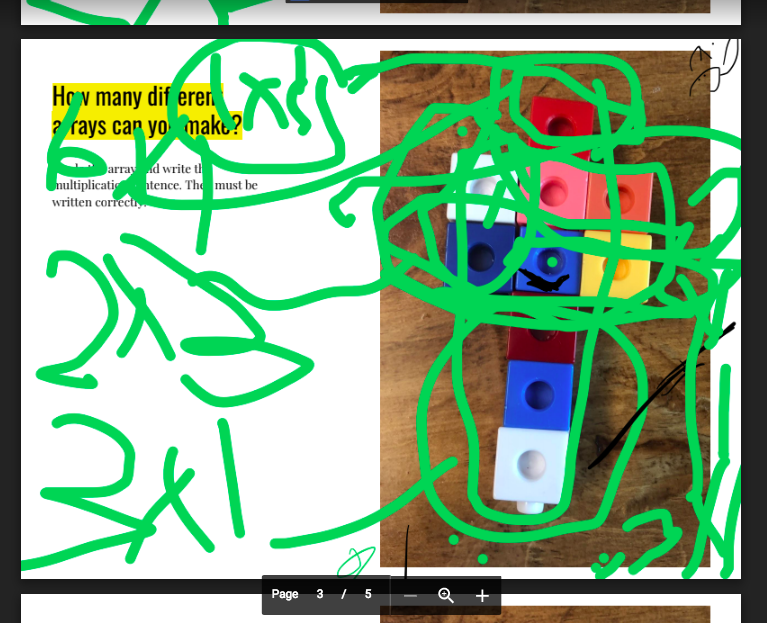 My classroom has a mishmash of different devices. I literally did not know how they were going to outline their arrays, but I did know that there was more than one way. The iPads are pretty easy. Kids can click on the assigned Google slideshow and immediately start drawing and writing all over the slides, without opening it in the Google Slides App. When students are done they can save/submit the work as a PDF.


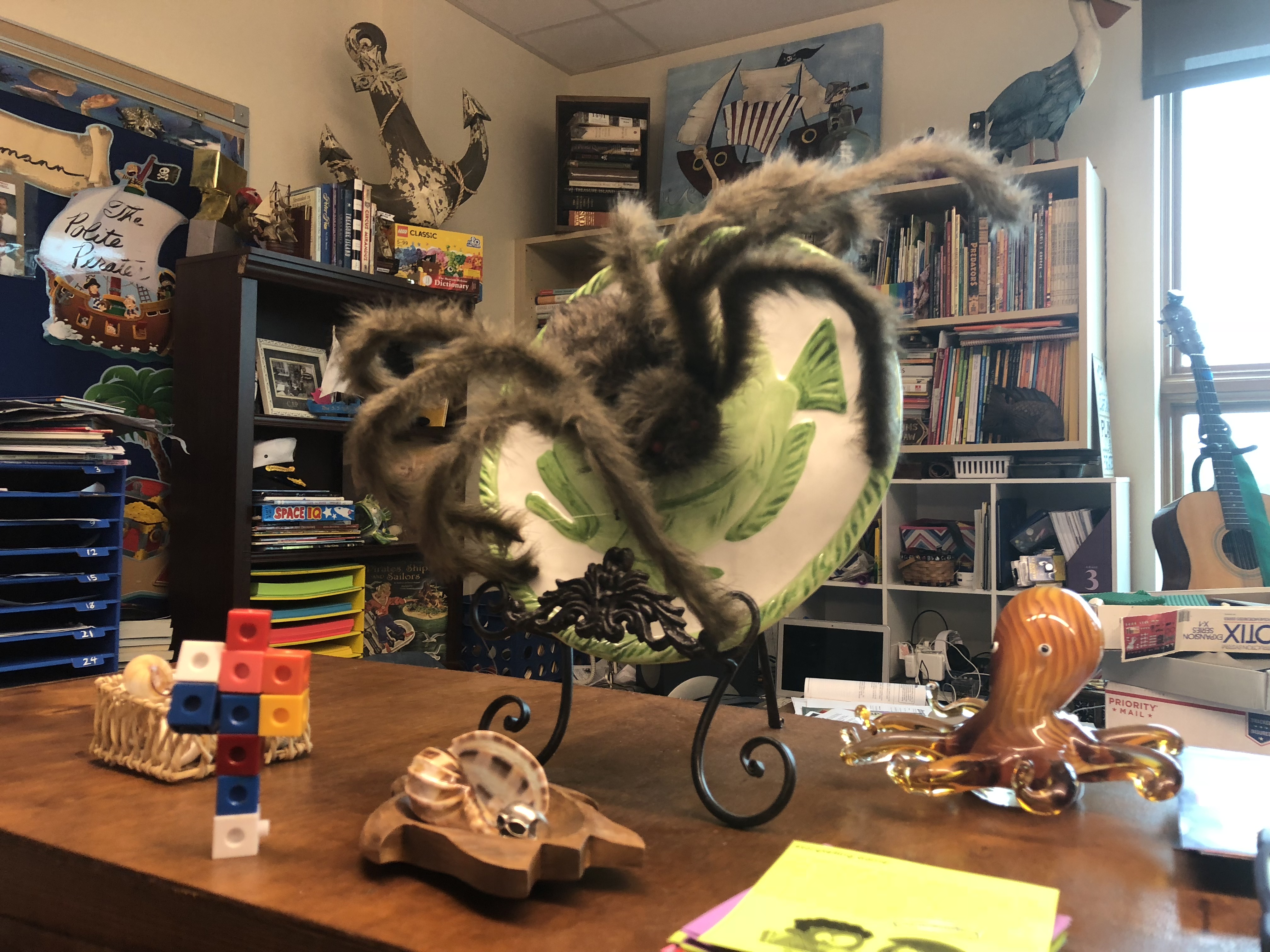
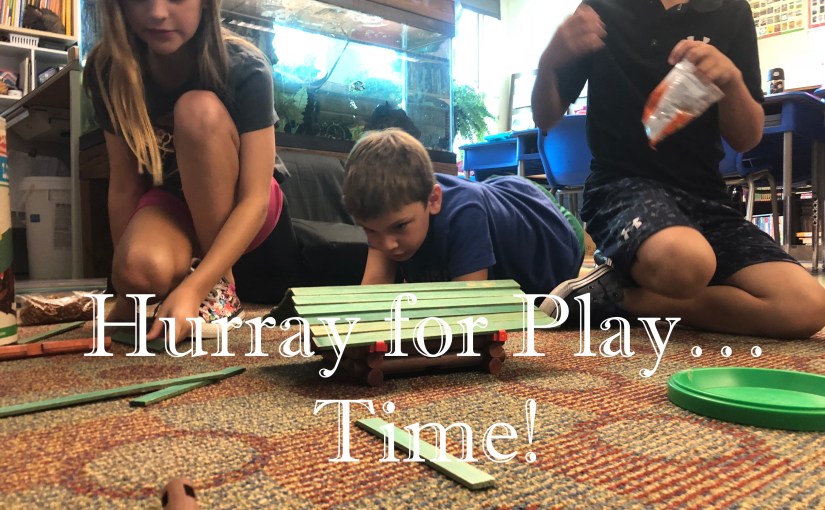
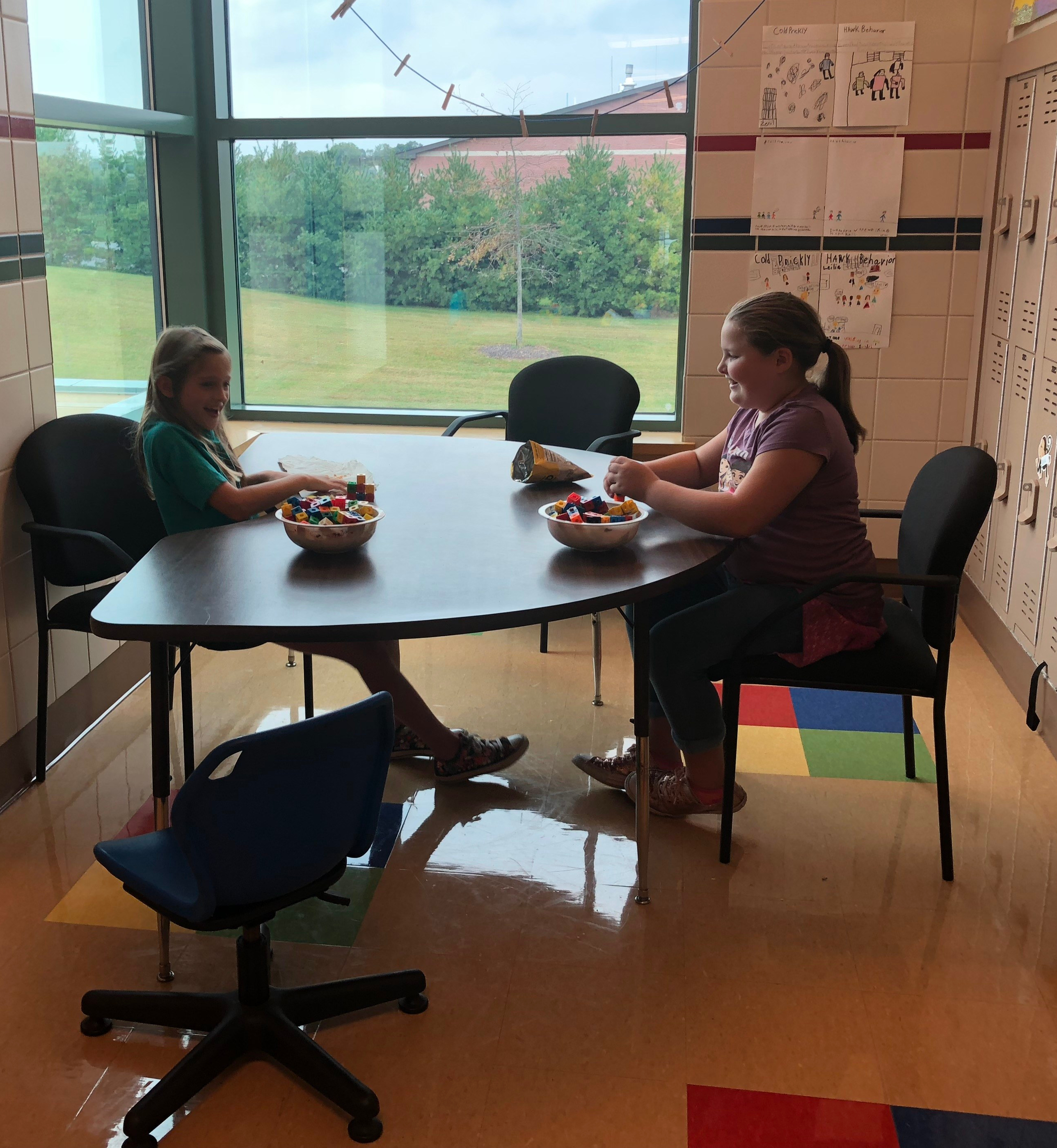

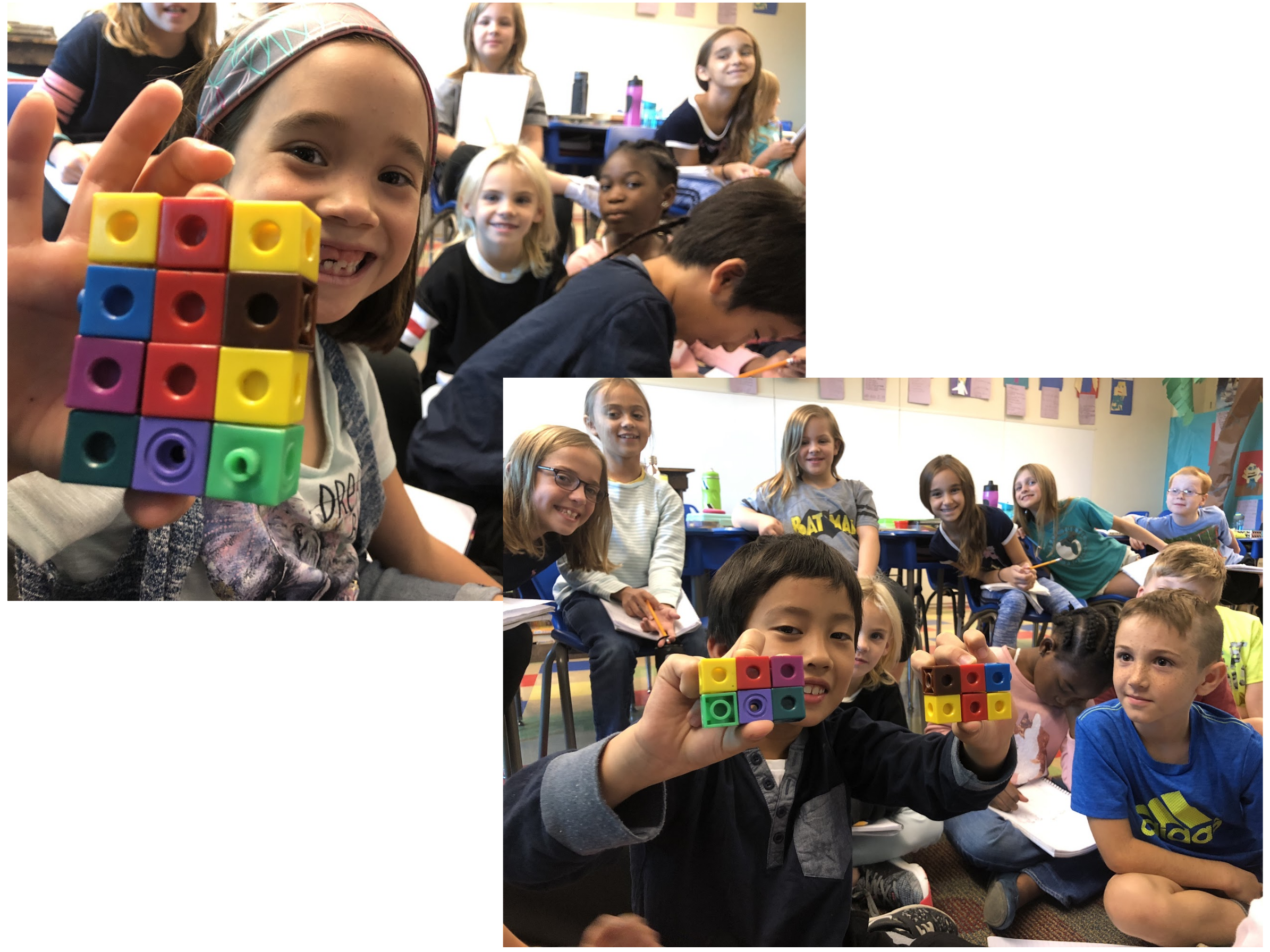 Merriam Webster defines playtime as “a time for play or diversion” (n.d.). The very first time I introduced this idea, I talked all about the concept and went over the parameters or policies prior to math time. Then during math we used connecting blocks to build arrays that were broken apart, displaying split multiplication problems. When math time was over, I told the students that they could keep using the blocks, but now, they could “Build whatever you want.” They were in heaven. It was like I had taught them the proper way to use the monkey bars, and then told them they could play all over the playground doing anything they wished. Stay within the fence, and follow the general rules, but have a blast and blow off steam. They sure did.


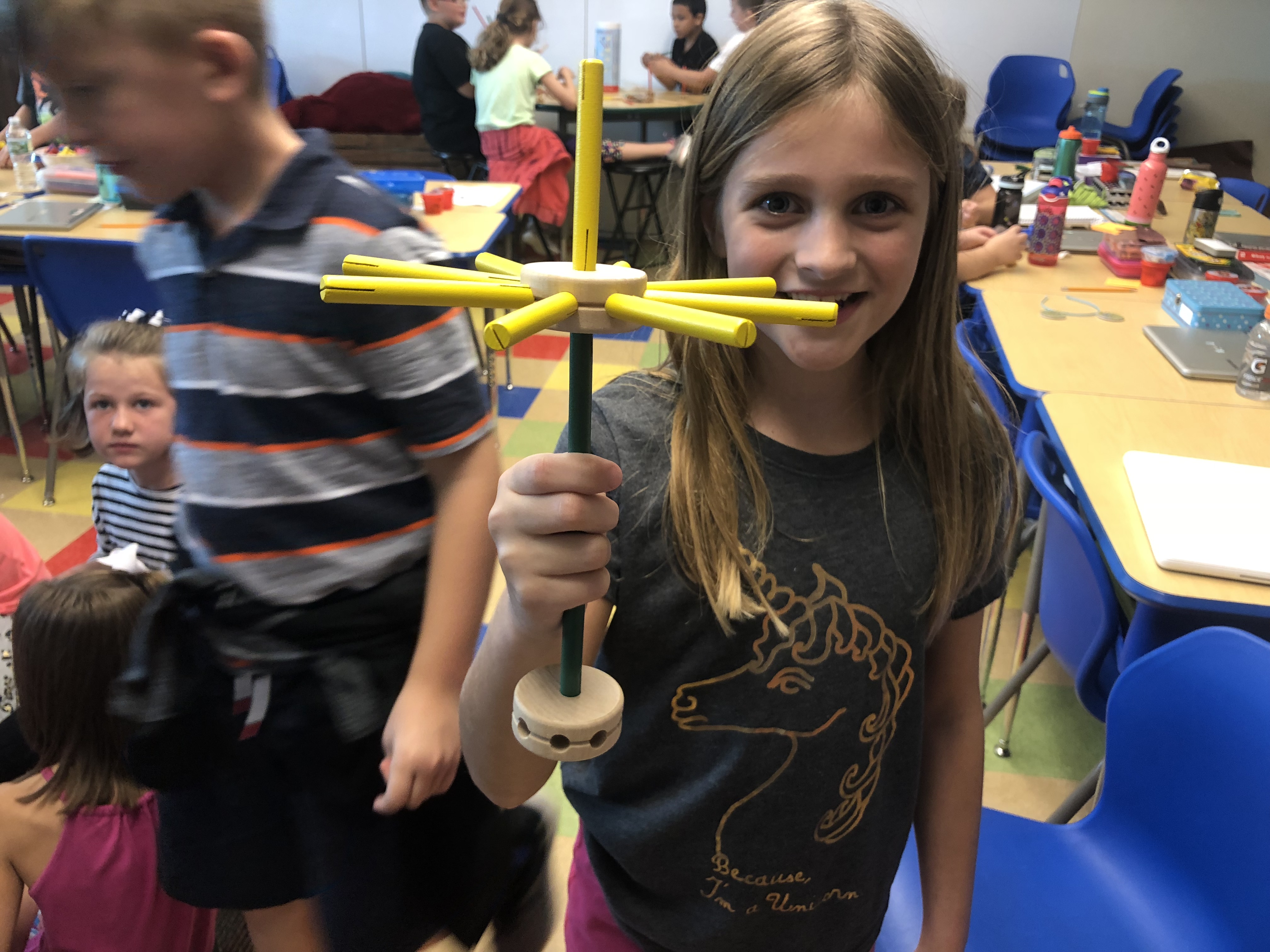


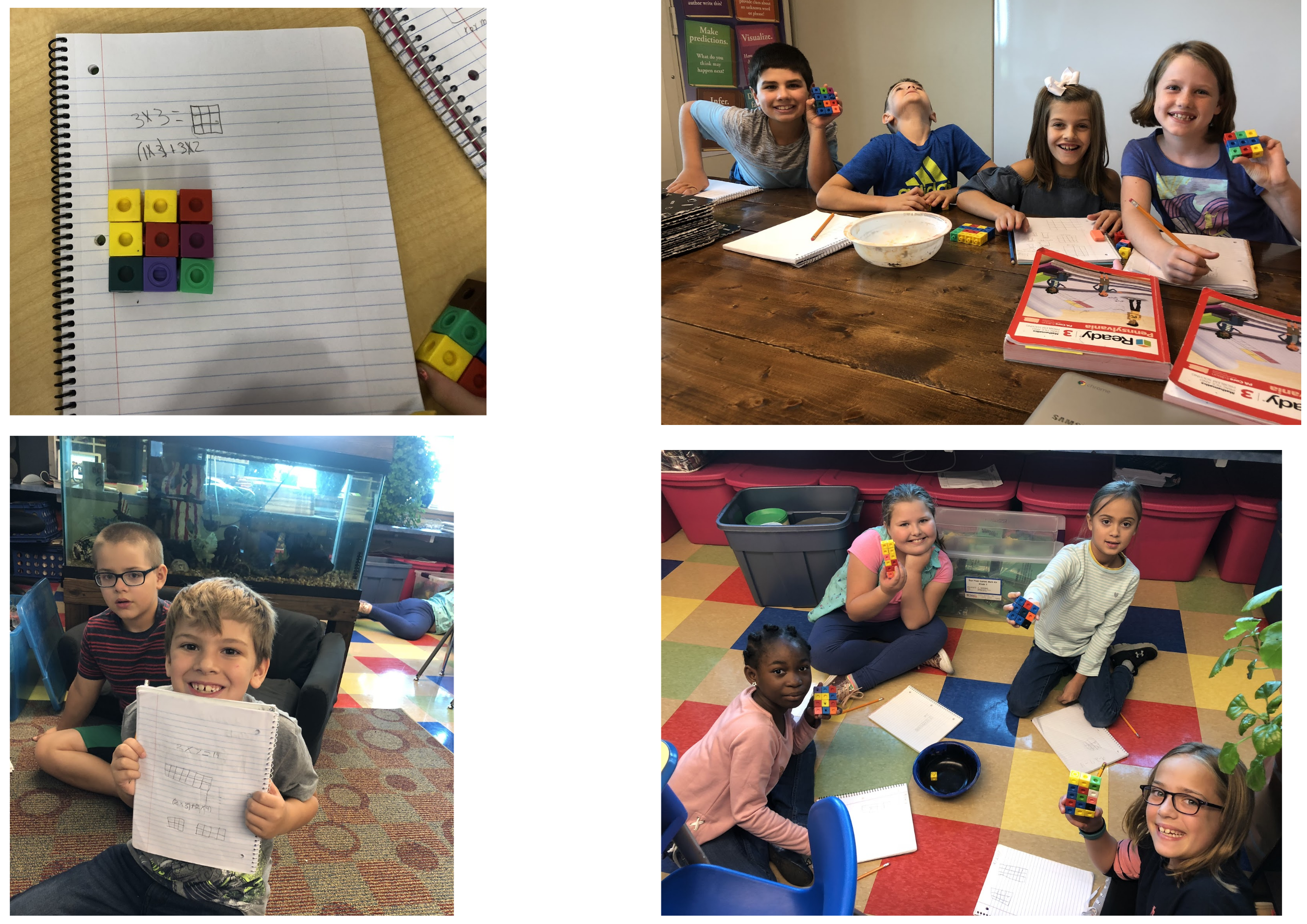 My students and I are super excited for this new #playtime initiative. I haven’t told them about making videos, yet. But, our creative building has completely revolutionized our Language Arts time. Kids are more attentive, well-behaved, and cooperative in centers, after having a brain break. I look forward to sharing more about this time, how it is working out, and what my students are producing throughout the year. Please share with me articles that you have read that either support this idea, add to this concept, or even contradict my thinking. Thank you.
 To be able to critique something, one must have background knowledge. Unfortunately, some teachers focus solely on pouring information into their pupils (


 same way a tree does not fall in a forest if no one is there to hear it, a person is only as creative as people recognize it. My suggestion: Cloning your creativity is classy.
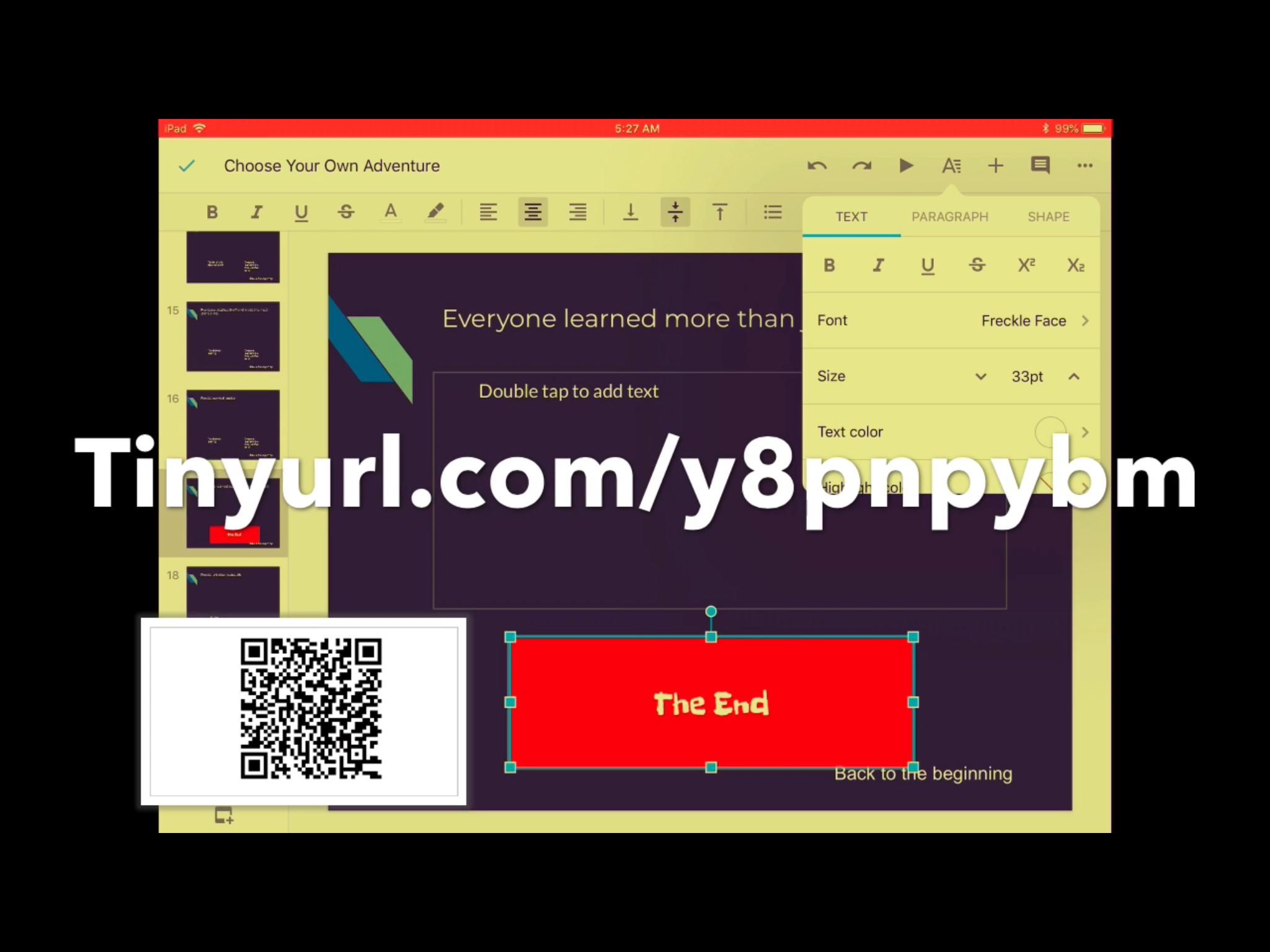
 problems within plots.) In preparation for teaching a professional development class on using iPads in the classroom, I decided I’d finally try my hand at making one of these adventures. I created a planning paper, made a Google slideshow, hyperlinked slides together, and wrote a silly little story about the teachers that would be attending my iPad course. I even made a movie to show teachers how I did what I did, so that they could reproduce (clone) it.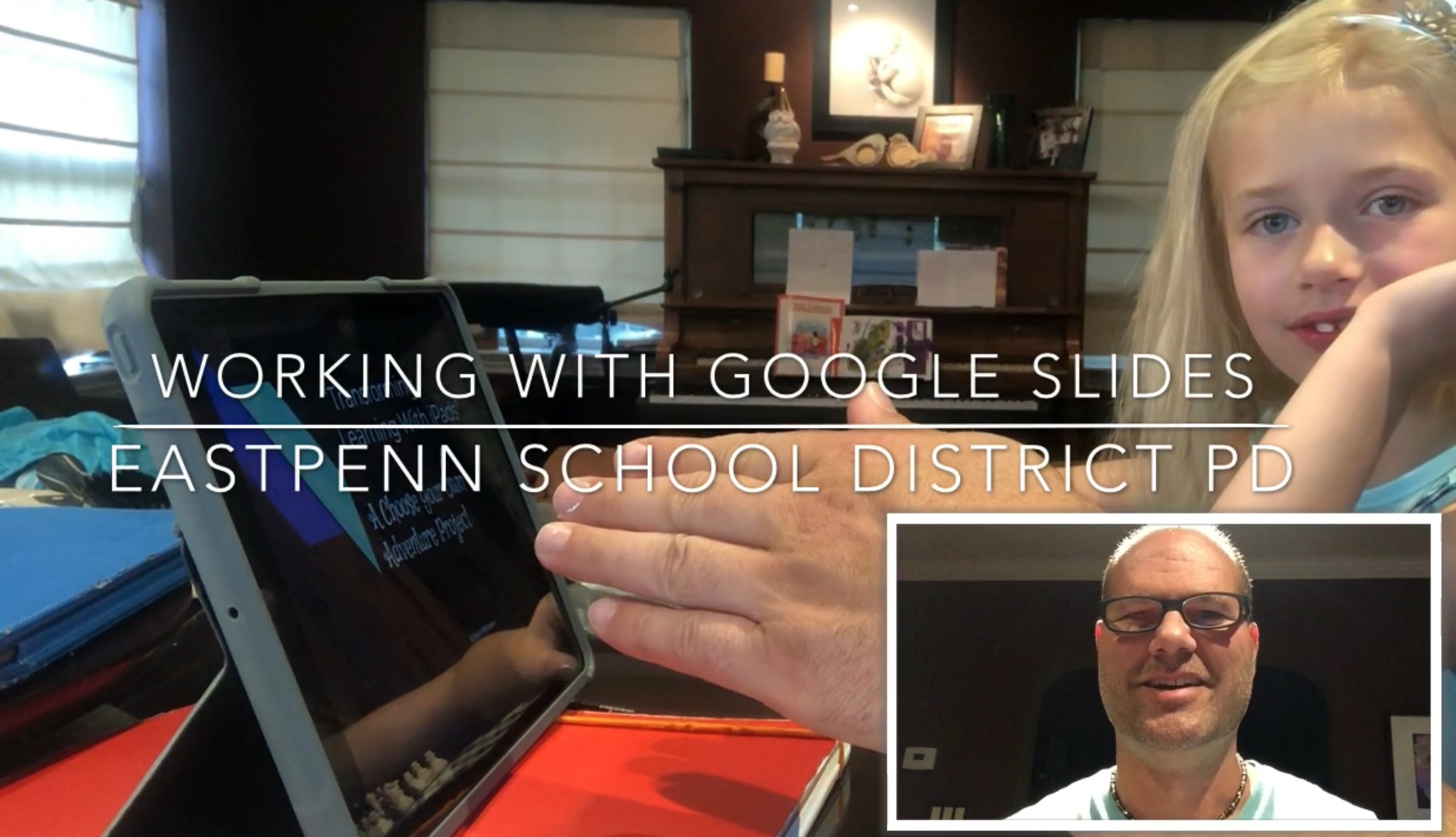
 The Captain of Class