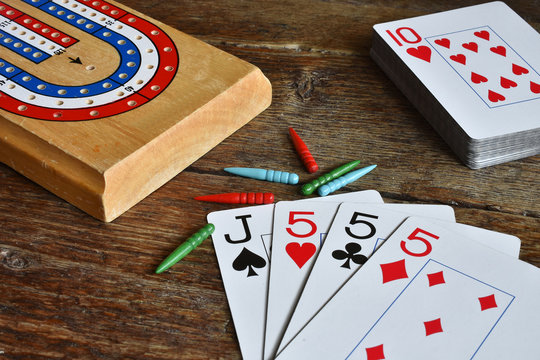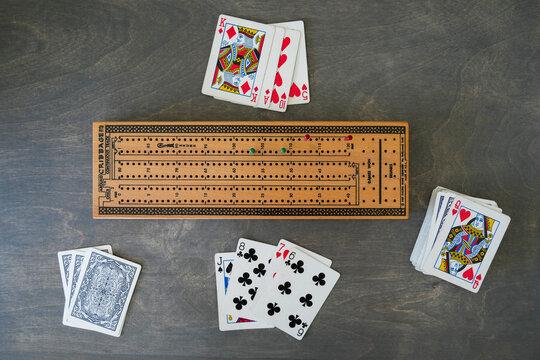
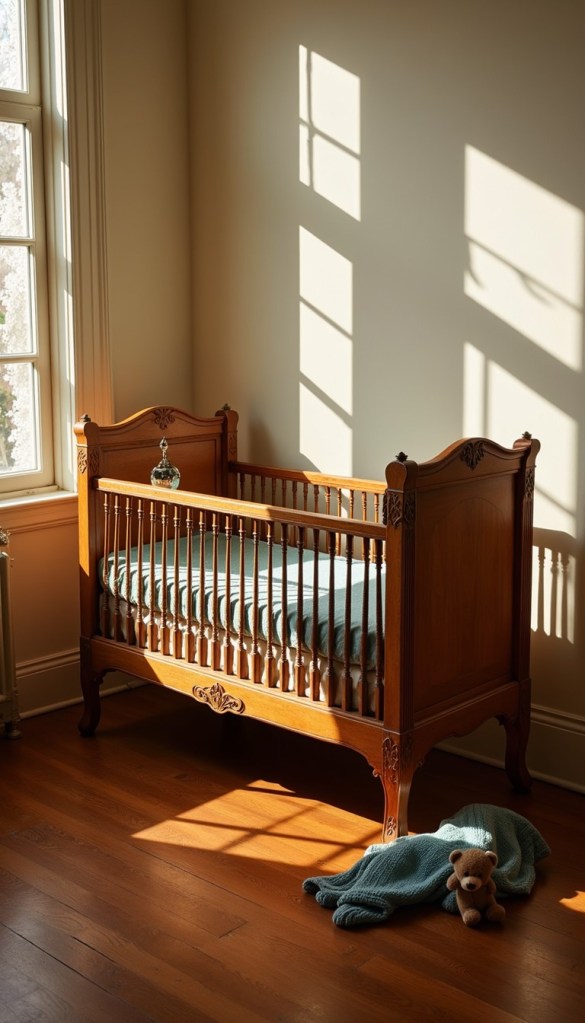
“What do you think of when you hear the word crib?”
Outside of cribbage, most people would think of baby-prisons in nurseries. That was the image that I used for years when teaching my students about setting aside cards in the game cribbage.
The truth is I was wrong. When the game of cribbage was invented by Sir John Suckling in the 1630s, the word crib was associated with a manger or feeding box for animals. Its connection to the game is a mystery.
After sharing some of this information with my students, I tell them, “Regardless of whether the word came from penning babies, housing animals, or providing food for the livestock to eat, all three concepts have the idea of holding, which works for our game.

“The crib is one of the most unique elements in the game of cribbage. I’ve waited until now to teach you about it, because there isn’t much use in setting cards aside for later if you don’t even know what to do with them! First, I wanted you to understand how to make points with the cards. Now comes the cool part; the cribbage part.
“The game of cribbage is more than just counting points. It is played through a series of rounds. You’ll learn all about that in a future lesson. Suffice to say, players take turns dealing the cards; They take turns starting play; They take turns being first to count points; And, they take turns getting the crib.
“Okay, ‘What is this crib business?’ you are probably asking yourself. It’s a collection of cards that every player contributes to that goes to the dealer. It is essentially an extra hand, and thus, has the same number of cards that each player is holding.
“If two people are playing one another, they are each dealt six cards. When both players discard two cards to the crib, every hand will contain four cards. If three people are playing cribbage, five cards will be dealt to each player. They will analyze their hands, decide which one is the least likely to earn them points, and put it in the crib. Then one additional card from the deck will be added to the crib, so that every hand, including the crib, has the same number of cards; four.
“The crib is always reserved for the dealer, and isn’t looked at until the very end of the round. It is an exciting surprise that can provide much-needed bonus points or a disappointing collection of useless cards.
“You might remember me showing you a card face up on top of the remaining deck of cards when teaching you how to tally up points and combinations of points in previous lessons. This is called the starter card. It is produced by the person to the left of the dealer flipping over the top card after the dealer cuts the deck. This means that the dealer raises about half of the cards, so that the cutter has to choose a card from the middle of the pile. This process happens after everyone has added their contributions to the crib.
“I had you practice totaling points using a starter card in the past, even though I hadn’t taught you about it, because it is a huge part of the pointing process.
Many card games rely heavily on chance. Cribbage definitely has an element of that because you are dealt a random six cards at the beginning of the round. But, there is a lot more decision-making involved in cribbage than other card games. Starting with what cards to place in the crib, players must analyze their hands, figuring out which cards are most likely to provide the maximum number of points. If you are the dealer, what you put in the crib will come back to you. If you’re not, and you have only valuable cards, you must ask yourself, Which one or ones would be most helpful to my opponent? You better not put those in the crib!
All of this I will explain to my students over time as we practice analyzing hands and choosing cards for cribs. I have my students place their cards face up, so all can see. We discuss as a group why putting a five into the crib is a bad idea, even if it doesn’t necessarily help your hand to keep it.
“The main thing to remember,” I tell them, “You aren’t simply throwing away cards that you don’t want. You are deciding which two cards you can afford to give up.”
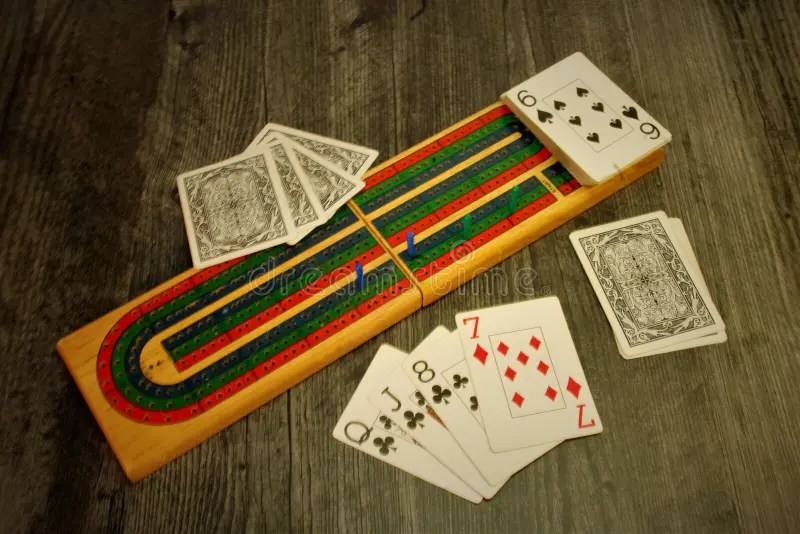
“Sometimes you can afford to place a five in the crib, because the points in your hand are amazing, and keeping the five would ruin a run.
There are many principles to learn that will make a person a good cribbage player. It’s best to learn them over time, through playing. I let students figure some of them out on their own. Others, I’ll share as I observe play. Many, I’ll point out through questioning.
Now that students have been taught about the crib, they know how to make points with their hands using the starter, and they understand the concept of taking turns dealing and getting the crib, they can begin pegging… next time.