-

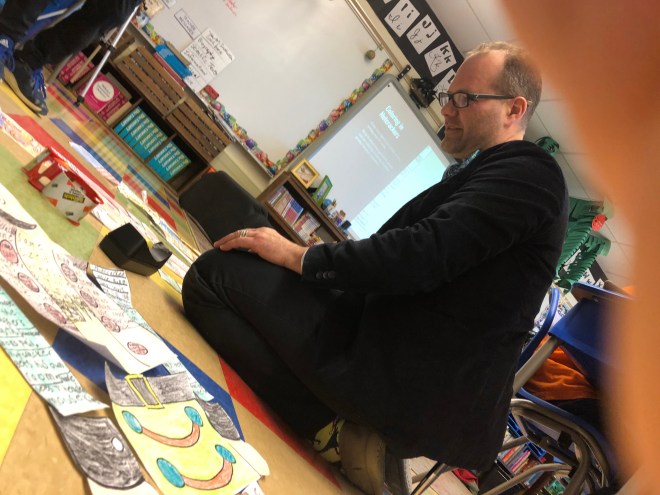
Students take notes about bats while reading an informational text. Have you ever had something that you really wanted to remember, but couldn’t? What did you do to try to remember it?
- Did you know beforehand that this was something you were going to want to remember?
- Have you ever had information that you wanted to help someone else remember?
- What did you do to help them remember the information?
- How did it work?
- What do you think you could have done differently that would have helped the person more?
[These questions were posed to and answered by my class after participating in the following exercise.]
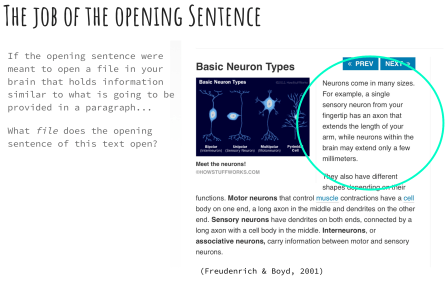
What are neurons?
And, what do they have to do with you?
What connections can you make?
What do you already know about this subject?
I did not have a lot of hope that my students would be able to provide stellar answers to those questions. In fact, I was hoping that they wouldn’t be able to provide any cognizance on the concept! –Not because I was hoping that they were ignorant, but because I wanted to illustrate the need for an opening sentence that would help a reader tap already existing information from their memories. My aim was to provide a text that my students couldn’t use… yet. With a different opening sentence; however; they might be able to open a prefrontal pathway to a mental folder that holds related information. Then my students would be able to both use existing knowledge to build upon and store this new information with related knowledge.
Now that my class was primed to try to understand where I was going with the original exercise, I asked, “What would be a good opening sentence for the paragraph about neurons that would help a third grader understand what they were about to read?” What ideas might stimulate thinking about related topics?
The idea here is to write an opening sentence that gets your reader to think about your topic. In the same way you try to “actively read”, using strategies that help you get the most out of a text, you should hope that the reader of your writing is doing the same thing. You should write in such a way as to help your reader get the most out of his/her experience.
- If you want your reader to infer things, don’t write every single detail.
- If you want your reader to establish cause & effect relationships between things, make sure those connections are clear. (This is what I am trying to do write now–I intentionally misspelled “right” to hopefully pun you into remembering this tidbit of a thought.)
- If you want your reader to question, present information that is so interesting that your reader wants to know more.
- If you want your reader to make predictions, give her just enough information, but not too much. Stretch out your text so that the reader has some time to think about what will happen next. Don’t just dump information onto the reader. Spoon it out a little at a time, so that she can come up with her own ideas of what might be next. (Did you notice that I tried to do that… spread out the ideas through writing a few unnecessary sentences, before getting to the next point? I did that to try to illustrate how a writer–in this case, me, but soon to be you–could produce this trick. Good luck!)
- There are more reading strategies, of course, but I will end this short list with making connections. If you want your reader to make good, strong connections to your text, you must help him through introducing your topic in such a way that the reader is open to receiving the information.
I find that many times third graders assume that their readers already know what they are writing about. This is probably do to a natural level of narcissism that 8- and 9-year olds still possess. Also, they are mostly correct, because what they are often writing about was assigned, everyone who will be reading the produced text (their peers) already knows the assignment, and they are writing for me, the person who assigned it!
This blog and lesson is meant to help students write in such a way as to pretend the reader does not already know the assignment. If an author is writing for an audience ignorant of the assignment, how would he or she begin the paragraph? If you want the reader of your writing to get something from the experience of looking at your text, it will be helpful to know what the reader is doing while reading. In this way you can steer the reader toward your goal of gaining new knowledge that can be retrieved later. If you want your reader to remember any of your text, it helps to understand how remembering works.
Memory
Remembering things can be broken into a three-step process. First, you take in new information. I was tempted to write learn instead of “take in”, but before you understand information, you first literally absorb it through your senses. You hear words and sounds; see images, colors, and light; touch/feel manipulatives, textures, and temperatures; smell; and sometimes taste. This is called encoding.
After your brain gets the information, it looks for a place to store it. This is the second stage of memory. The place and way that the information is stored will depend on how useful your brain decides it is. Are you going to need to know this again, soon? Perhaps, not, but the information would be very useful in a particular circumstance, so it shouldn’t be lost. Some information is interesting, but not very useful. This could get pushed out of your thinking like pictures you delete from your iPad. The information may go to a “recently deleted” file in the brain, awaiting total forgetting when too many new thoughts push the information out of the way.

The last part of remembering involves retrieving memories. This is the part where you try to recall information that you know you know, but can’t quite find it in your brain. Some people who try to remember something that they know they learned, but can’t recall the exact information refer to this as a “brain fart”. Just last night, I may have coined a new term on Twitter: “Cognitive Constipation”. Rather than your brain farting, it is more like it gets all backed up with un-useful information that blocks your thoughts from landing on what you want to remember. A successful memory, though, is easy to recall or comes to mind quickly whenever you want it to.
Writing
A writer (you… and me) wants his readers to remember the ideas that are presented. We want our readers to be able to recall the concepts that we have presented. This will make the ideas valuable. There are a couple of ways that can help writers do this.
Lets begin with encoding. This is the first step of building a memory. Your readers are taking in tons of sensory information all day long. How will your writing stimulate the senses in such a way that it will stand out? One of the things that I try to do during teaching and in this blog is provide visuals. I try to tap more than just the imagination. Also, when teaching (This is virtually impossible through a blog post.), I try to create “experiences” during my lessons. A lesson on narratives will involve smoke machines, giant hairy spiders, and loud noises. Writers will want to make information appealing to readers. But, in order for readers to remember it, authors will need to make the information useful.
 When new information comes into your brain, your mind tries to make sense of it. Your brain looks for information that is related to the new senses being stimulated. It is sort of like looking for a code or translation that can make sense of the new information. If no translator or decoder is found, the information will most likely be deemed useless and get deleted. It may even be found incompatible immediately. This could have happened with the neuron information that I presented to my students at the beginning of this lesson. If I hadn’t talked to them a little about cells and brains, they wouldn’t have anywhere to put this information. I may as well have been speaking Greek to them. This is probably how many people feel when reading or listening to specialized scientific texts and talks.
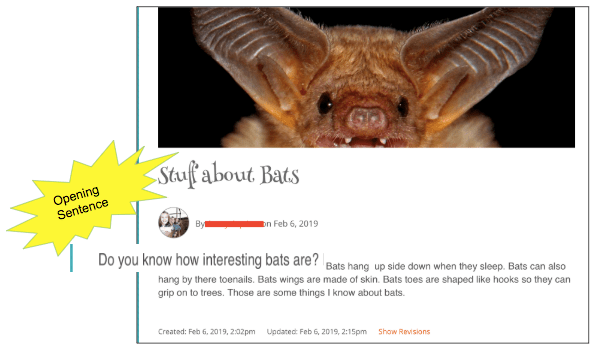
It is our job, as authors, to help our readers make connections. We must provide the code to our text right at the beginning of our writing. The translator needs to be set up and ready to go before any information is conveyed, or it will be lost. The opening sentence should present this code. It should tell the reader what folder in the brain she will need to access to find related information. This will empower the reader to make sense of what she is reading. Not doing this is like throwing the reader into the middle of the ocean without a lifejacket.
Sources:
BBC Earth Lab (Producer), & Head Squeeze (Director). (2014, February 20). How Does Your Memory Work?[Video file]. Retrieved February 6, 2019, from https://youtu.be/TUoJc0NPajQ
Cherry, K. (2018, August 3). What Is Memory and How Does It Work? An Overview of Memory and How it Works. Retrieved February 4, 2019, from https://www.verywellmind.com/what-is-memory-2795006
Craig Freudenrich, Ph.D. & Robynne Boyd “How Your Brain Works” 6 June 2001.
HowStuffWorks.com. <https://science.howstuffworks.com/life/inside-the-mind/human-brain/brain.htm> 5 February 2019
Richard C. Mohs “How Human Memory Works” 8 May 2007. HowStuffWorks.com. <https://science.howstuffworks.com/life/inside-the-mind/human-brain/human-memory.htm> 6 February 2019
Schwartz, K. (2016, November 21). What Neuroscience Can Tell Us About Making Fractions Stick. Retrieved January 16, 2019, from https://www.kqed.org/mindshift/46865/what-neuroscience-can-tell-us-about-making-fractions-stick
Texas A&M University. (2016, May 17). How does memory work?. ScienceDaily. Retrieved February 4, 2019 from www.sciencedaily.com/releases/2016/05/160517131928.htm


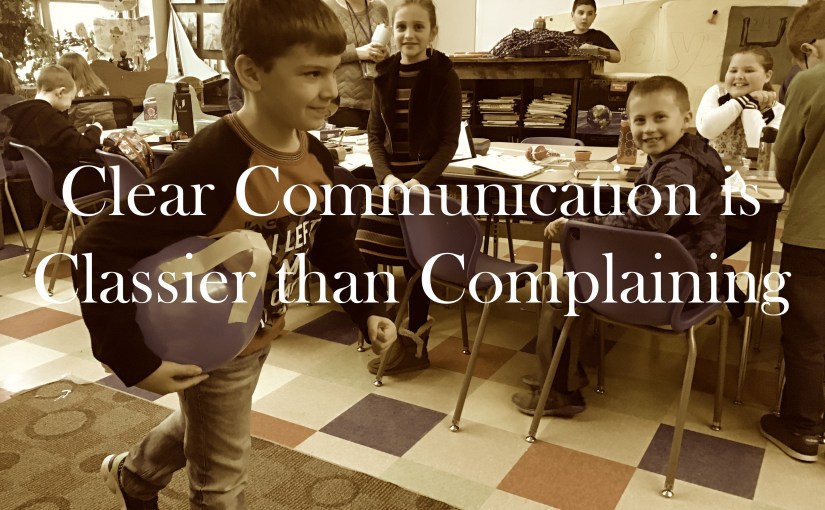
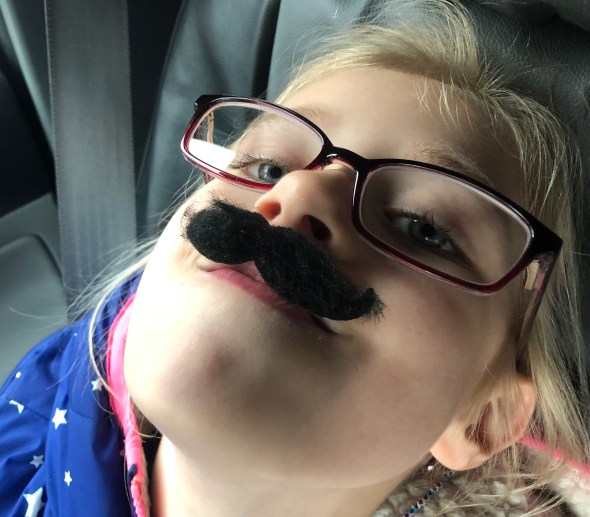 I’m excited to share some of the classy mini lessons that I have been giving my daughter on the way to school. Sometimes the lessons are prompted by behaviors. This one was not. In fact it seemed like it was better received, because I was not telling Scarlet that she did anything wrong. I was simply stating a fact: Complaining is NOT classy. There was no need for getting defensive. We had a lovely conversation about it.


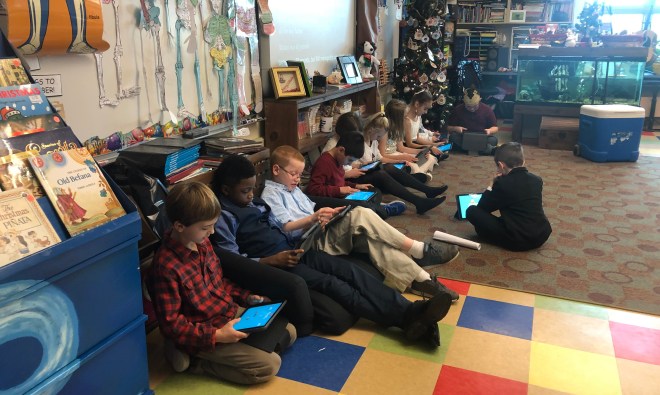

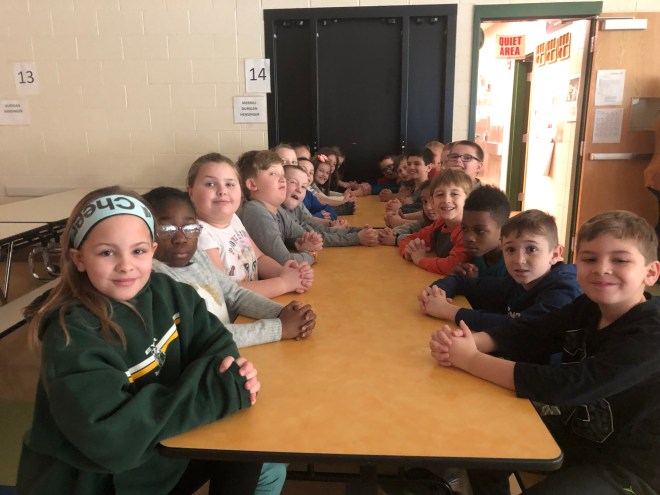

 Everyday, right after recess and just before math, I have been conducting a sit-down with my students. We have been discussing what it means to be classy. In the past, I just threw ideas at my pupils in off-handed remarks. This year I decided to take a more proactive, purposeful approach.
  I found a book at The

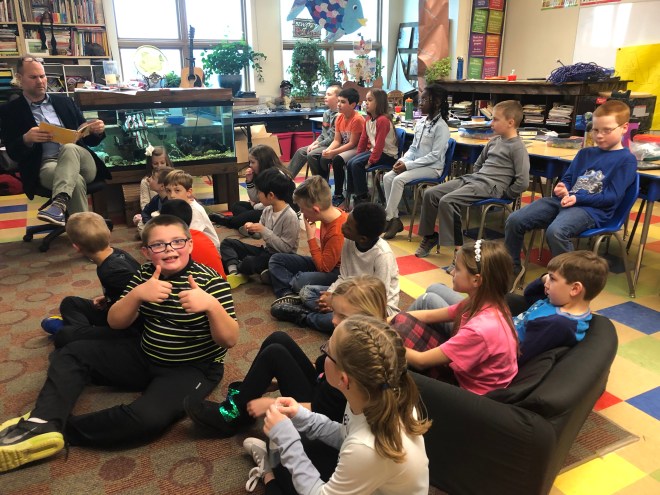
 I honestly, don’t know, yet.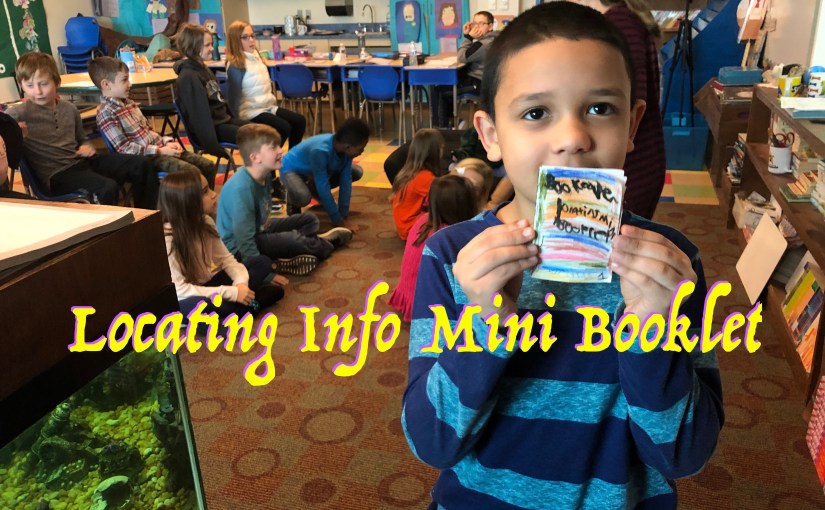
 The exciting and informative live chat #MasteryChat that takes place on Twitter between 8 and 9PM on Thursdays discussed the topic of “Visual Thinking” on January 10th, 2019. I’ve always held the belief that the more connections students make to a lesson, the more they will remember. Also, the more emotionally attached they become to their learning, the more they will get out of it.
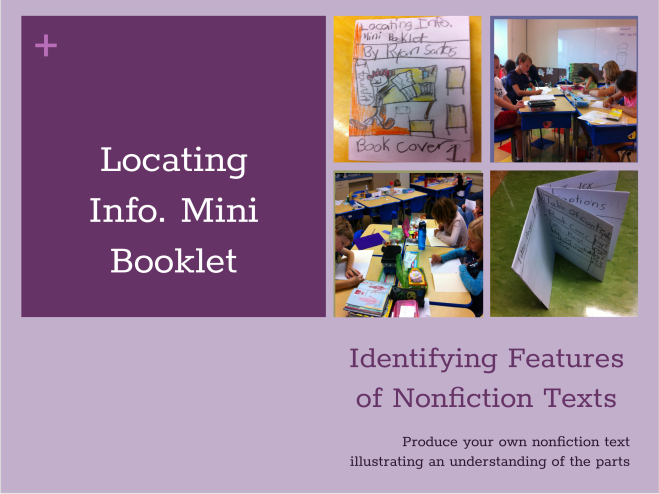 Here’s how it works. First, I spark the class’s excitement by showing telling them they are going to make books. Then I show them a mini book. Everyone loves that! They begin
  antsing to make one. That is when I share a unique style of nonfiction text; The “instructional text” that tells how to make a mini book. I point out the sequence words, and we picture in our minds what is happening to the paper.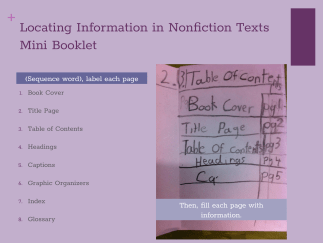
 When we work on the mini booklets again, I have students label each page. They look at the list that I post on the board for them. Then we make a “Table of Contents”. Finally, students write explanations for each text feature on its page. Some of them, like the “Title Page”, are virtually self-explanatory. Others, like “Graphic Organizers”, require many examples. Students are only permitted to decorate, which they are all iching to do, AFTER all of the information is completed.
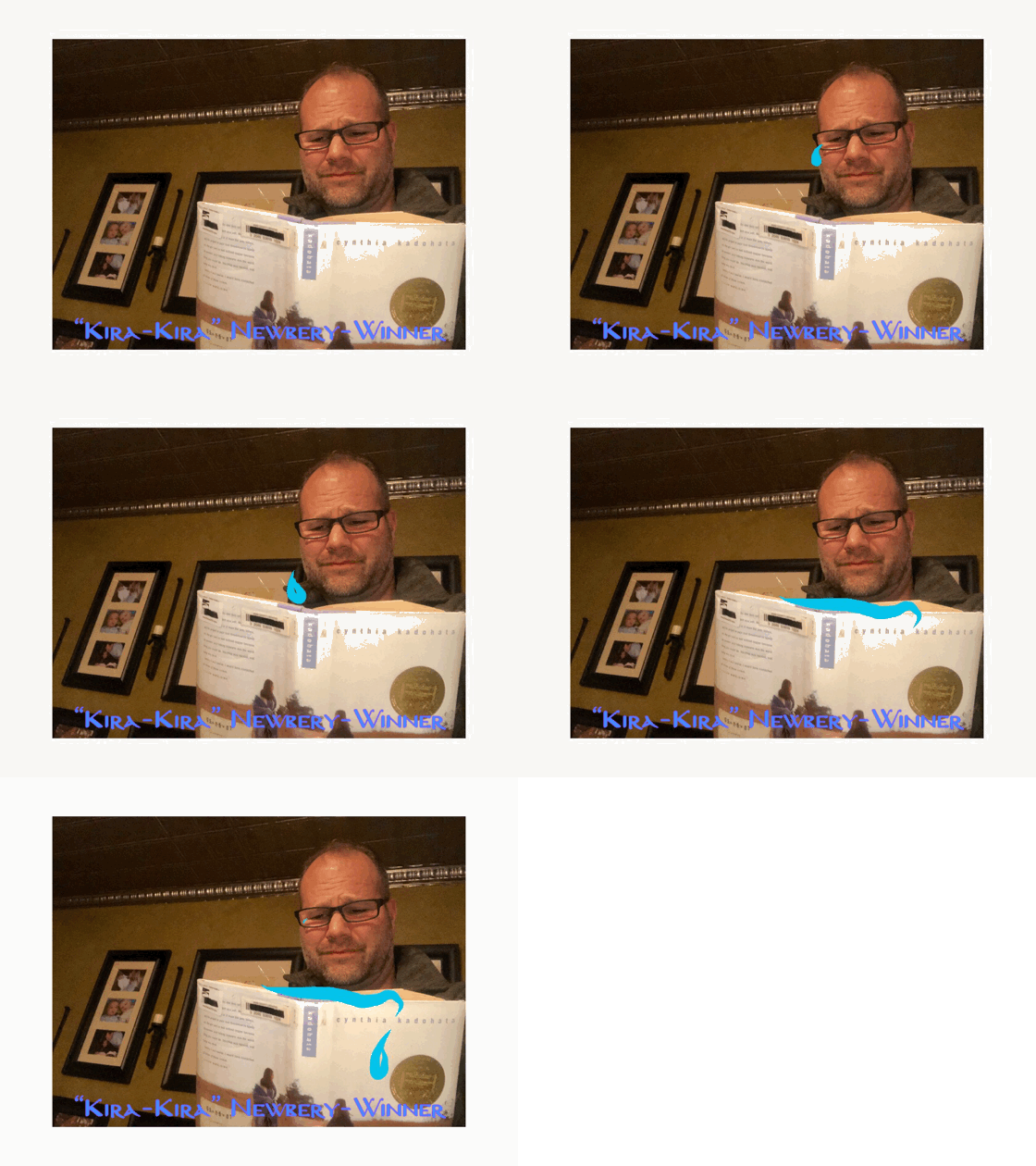
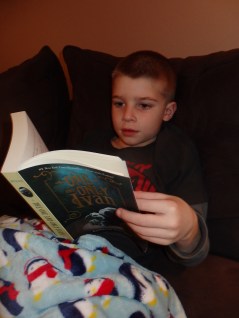
 struggled to blog about it. What angle do I want to use? How can I talk about this novel’s impact on me without giving too much of its plot away? I loved it, and I hated it; like something so bad that it’s good. And, I don’t mean poor quality–It won a Newbery Award!

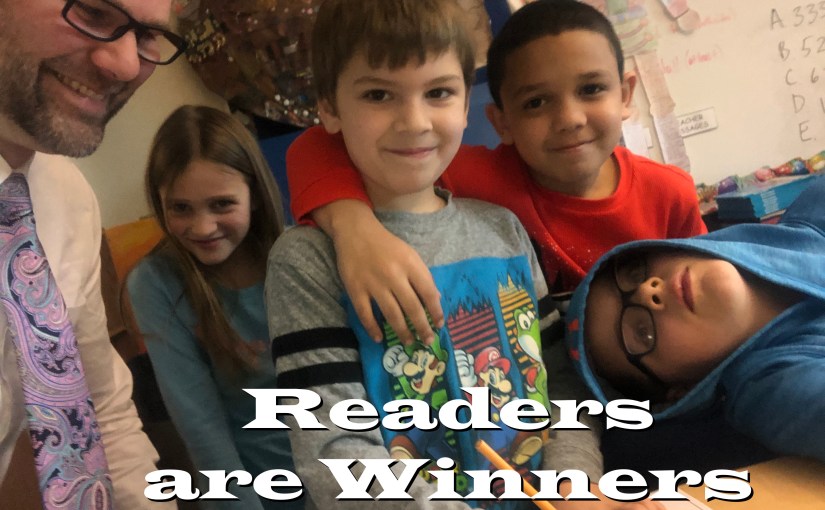
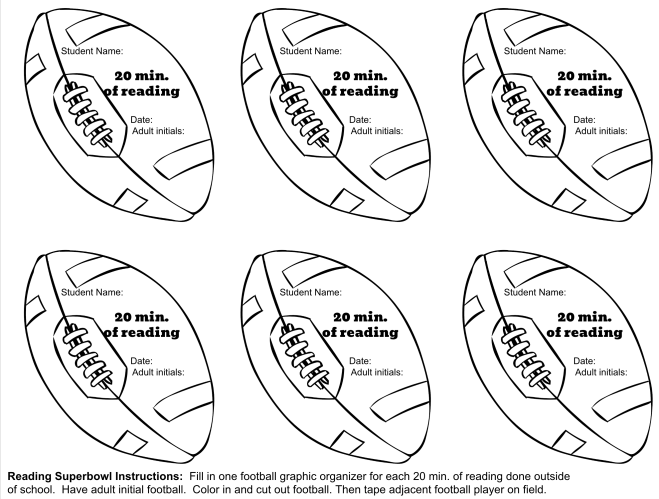
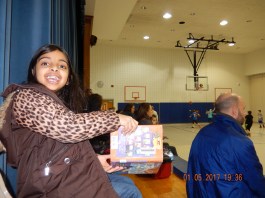


 The class is broken up into two equal groups. I’ve done girls versus boys, odd student numbers versus even student numbers, and broken the class up according to desk arrangements; Doesn’t matter how you do it. The NFL teams that are entering the playoffs are listed on the board. Kids get the lunch/recess time to decide on their group’s team. Then the players are passed out. I usually project a few pictures of each team’s jerseys on the wall for kids to model the coloring of their figure after.
 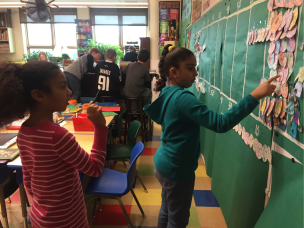 I got this idea from John Burger, my mentor in 2010 at Willow Lane. It was his last year, and we were teaching second grade. I wouldn’t be surprised if he got the idea from someone else. That’s how teaching works. If you like the idea, use it, go for it. Good luck!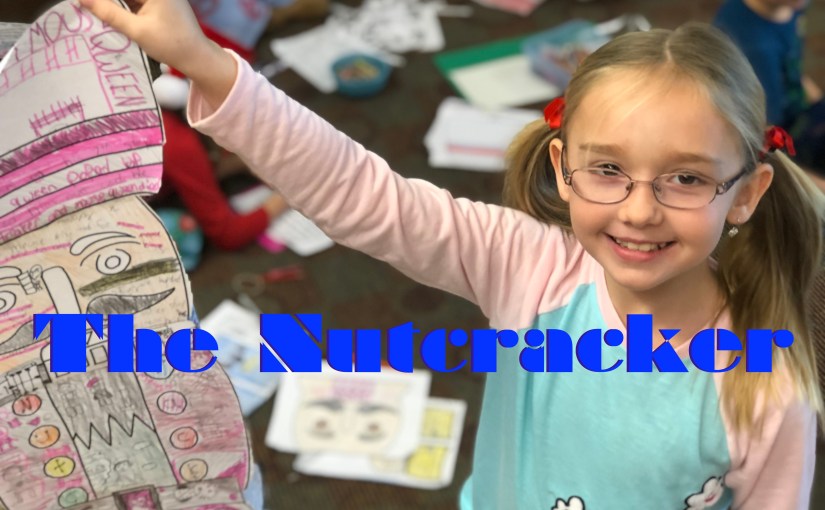


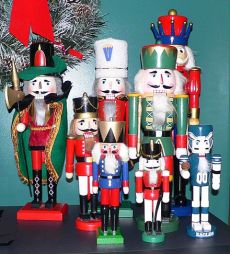 Thanksgiving, an army of nutcrackers marches into the American commercial and decorative landscape. They are everywhere, decorated in every imaginable theme. There are Philadelphia Eagles nutcrackers, stormtrooper nutcrackers, teddybears, ninjas, knights, historical figures, bright pink Breast Cancer Awareness nutcrackers, etc. There is no limit. Where does this army come from? There is a famous, seasonal ballet with a terrific Tchaikovsky score. There are mountains of books. Where did it all begin, and why is it so popular?


 Now, these third grade students have a tool that they can use to retell the real story (or at least, the original story) of The Nutcracker. They are also beautiful decorations!
  The Nutcracker might maintain its popularity because of its foreignness. Winter swoops in, bringing cold and snow and holidays. Initially, it is fun and exciting because it is so different from summer and fall. Similarly, Nutcrackers take over the turkey, Pilgrim, and Native American displays. They often have an Eastern European aura to them. Also, the ballet was produced by Russians; The story written by a German.
  PDFs of Scanned Nutcracker Papers:
 The Captain of Class