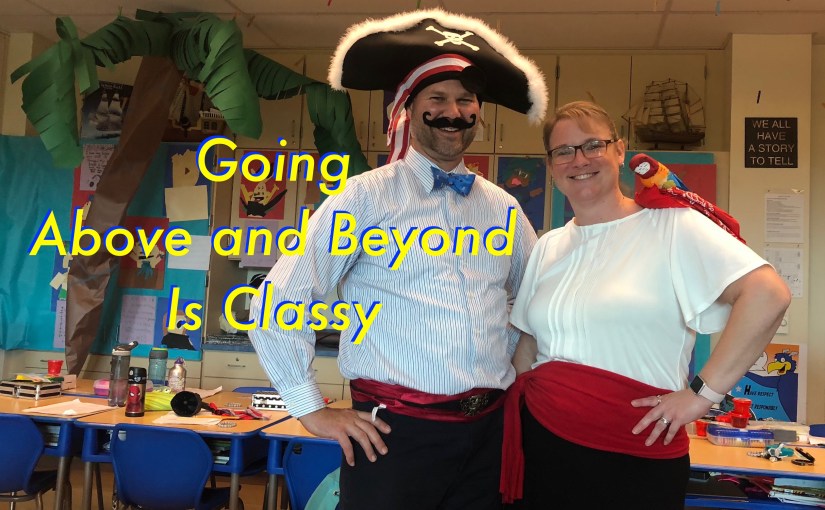
You tell a group of students that you want them to be “Classy.” What is this elusive character trait, and how can a teacher easily communicate it to kids?

My school district uses a standards-based grading system of one through four when it comes to communicating conceptual understanding. This is how I explain it to my students: If you do exactly what I ask on an assignment, just right, you get a three. This means you have completed the task satisfactorily. If there were some mistakes or the work makes it seem like you don’t fully understand the concept, you get a two. This means that there is room for improvement, which is okay, as long as you step it up and work at getting better. A one is when there are so many errors that it is obvious you are lost or not trying. You see that when the work screams, “Whoa! I need serious help and attention over here.” And then, there are fours. These are the gems that students earn when they have exceeded expectations. When a student follows the parameters of an assignment, and then some. I am not looking for a sixth paragraph tacked onto a five-paragraph essay. A four would be awarded to a student who included a quote from a notable expert on the topic and referenced the site where it was found.
Fine, Mr. Weimann, but what does this have to do with classroom management? Well, this rubric can be applied to every aspect of the students’ activity at school. In the same way that I will use these principles to grade an assignment, I can use them to grade the way in which a student completes the assignment.
Here is how I communicate what that fourth level of behavior looks like. Students have all played with playdough or clay before. What happens when you push a penny or any other object down onto some playdough? “It makes an indent,” a student answers. “Correct,” I reply, “But, what is that indent called? What is a vocabulary word for that; something synonymous?” There are some thoughtful ideas. With only the sound of “im-” several students complete the word, “impression”. The object makes an impression of itself onto the soft material.
Mrs. Hulmes teaches first grade at my school. When Mrs. Hulmes’s line of students exit their classroom they not only walk in a straight line without talking or touching, but they hold their hands behind their backs. Not one or two of the students, but every single one of them. And, not once in a while, but every single time they are in line, they do this. When there is a substitute for Mrs. Hulmes, her class lines up and moves from location to location this way. You can probably picture it in your head, while reading this text, but if you saw it in person, it would leave an impression on your mind that you would never forget. I have never seen a nicer looking line in my life. It is so classy.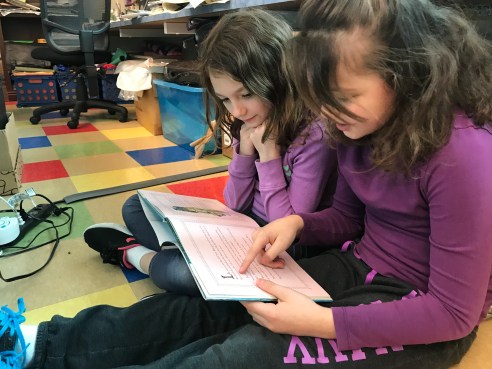
To be classy is to be impressive. Students can sit on the carpet and listen to me while I explain this, and that might be a three. The students that are sitting up straight, making eye contact with me when possible, smiling, and raising their hands to either share connections or ask pertinent questions to deepen their’s and their peers’ understanding are impressing me. This is four behavior. That is classy, and I am their captain.

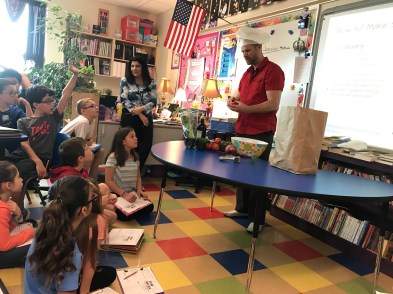 I introduced the word “classy”. It stuck, and all year we discussed the ways we could be classy. The kids loved it, and it has defined my methodology ever since. It was and is admittedly cheesy, but that is a big part of its appeal. And, since its conception, seven years ago, the idea of exhibiting class in teaching has come to mean more than just a behavior management system.
 The Captain of Class