
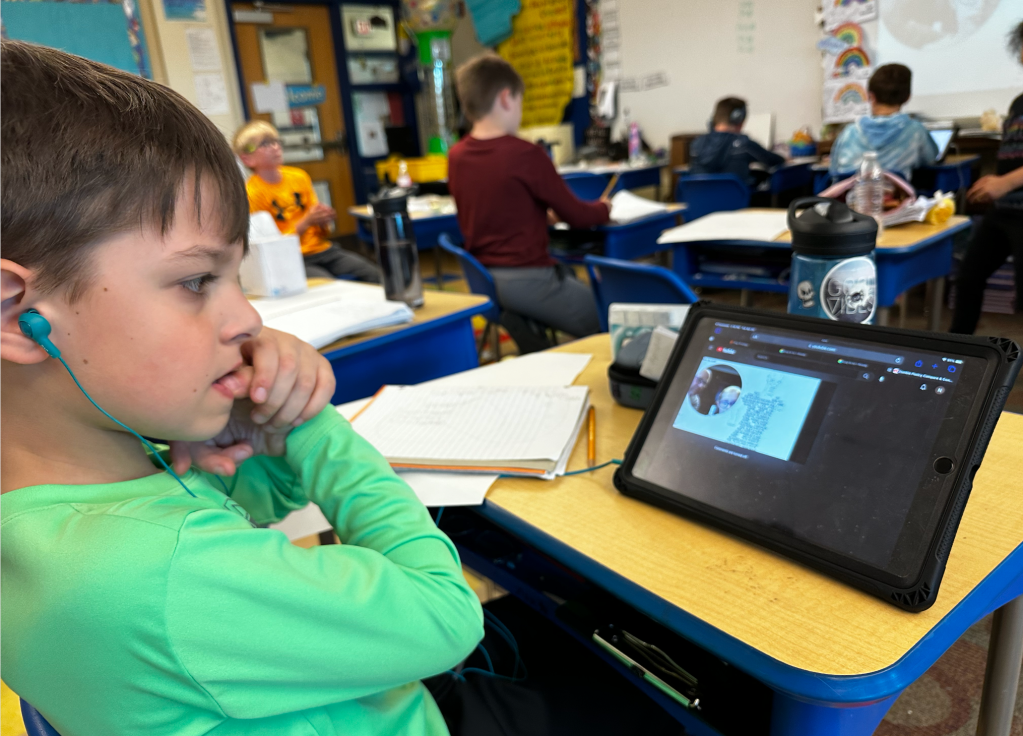
I wrote A Bookworm’s Quizzical Poem several years ago. I shared it with my second grade gifted students yesterday when we came across a poem in the book we were reading (365 Penguins).
When I asked them how they knew the poem in the book was poetry, they told me that the letters were fancy. This made me laugh. It reminded me of a blog that I wrote about poetry being intimidating (License to Poetry). While poetry can be beautiful and help you feel fancy, I want to encourage you to guard against reserving it only for ivory towers.
Teaching 3rd grade helped melt my fear of poetry. With an audience of 8 and 9 year-olds, I not only wrote it, but felt free to share and interpret it with my students. I even began to search the Internet for poems that had to do with topics I was teaching in order to deepen my students’ experience during lessons!
As readers of Jack Prelutsky and Shel Silverstein can attest, poetry can be loads of fun to read. It can also be fun to write.
My second grade gifted students and I discussed and explored the rhyming words at the end of each line of the poem from our book. We counted the syllables from each line. The message of the poem was pretty obvious, but it lent to the idea that poetry can be about sharing emotions. Finally, my students and I used the last line to spark a lesson about apostrophes.

They knew that apostrophes show possession, like in the title of my poem, A Bookworm’s Quizzical Poem. And, they understood the concept of showing the missing letters in contractions, but I blew their minds when I told them about poetic license to slice off whole sections of words!
“Why would a poet need to shorten a word?” I prompted. They were quick to identify the trick of squeezing the correct number of syllables into lines. This is when I dug out my old poem.

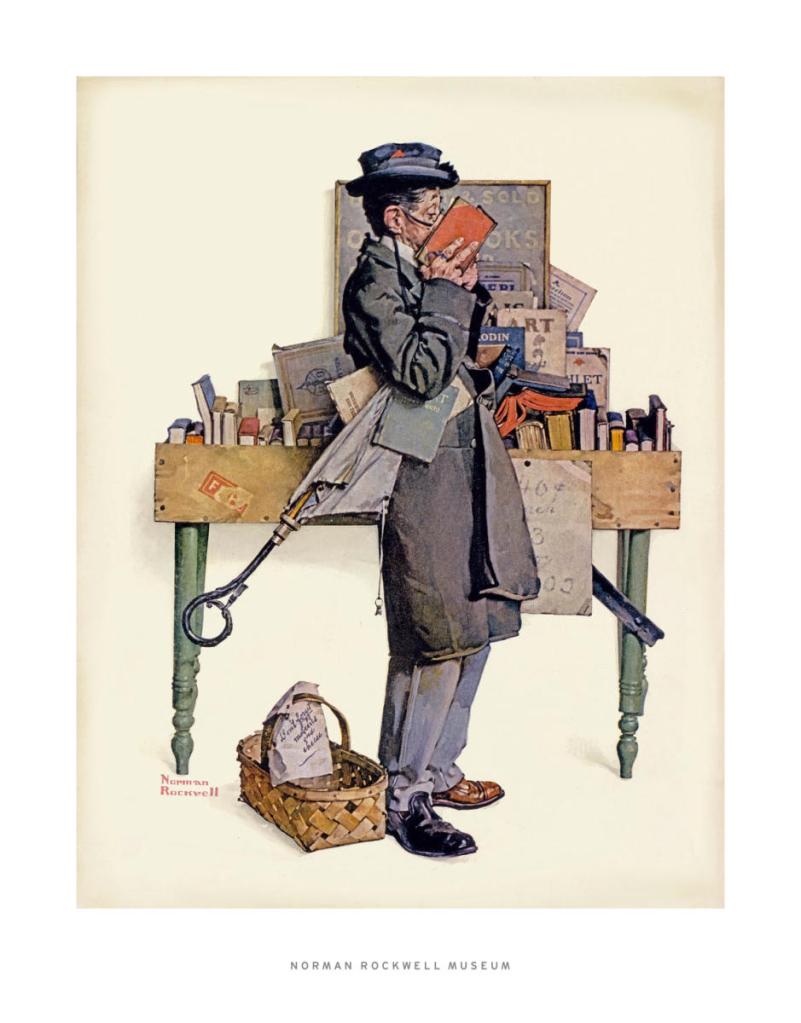

Did you know that bookworms are real live insects. Back when the glues that bound books were more organic than chemically produced and the pages were pulpier than they are now, larvae would literally feast on the texts.

My poem plays on this idea of a worm eating books, both literally and figuratively. In line 15 the dad says that his son’s book “Was no more than food for my belly.” The next line compares reading a good book to eating something delicious, though.


These comments on the right of the poem are questions that I thought of for helping my students get more out of the text. I ended up typing them into a Google Form to use as a teaching tool. Feel free to use the poetry and form, if you wish.
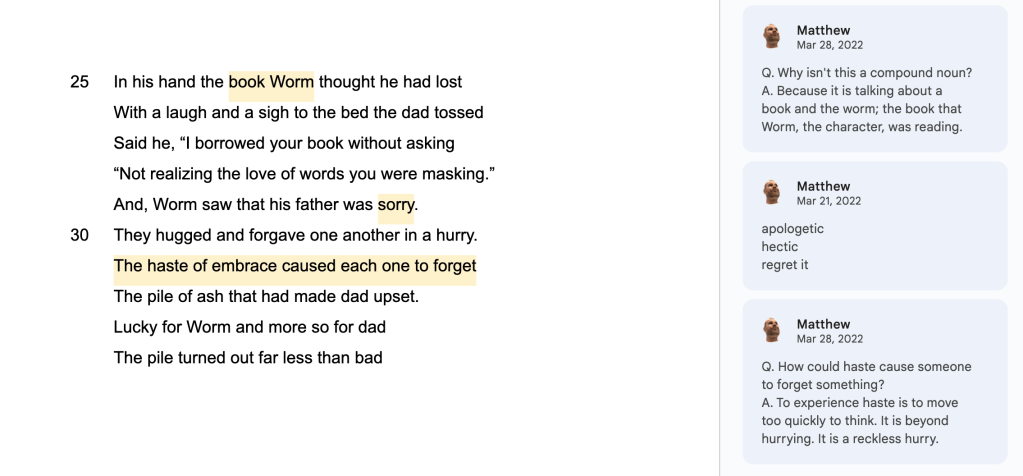
I always enjoy pointing out the word “shooking” in line 36. It is so silly. It feels weird to say it out loud. After discussing its job of rhyming with “looking” from line 35, I explain to my students that this is a perfect example of me simply having fun with words.

As an author, you have the power and authority to write whatever you want. You can bend the rules. You could even break the rules… a little. If you break them too much, your text won’t make any sense. Just enough, and your writing is interesting, attention-getting, fun, and memorable.
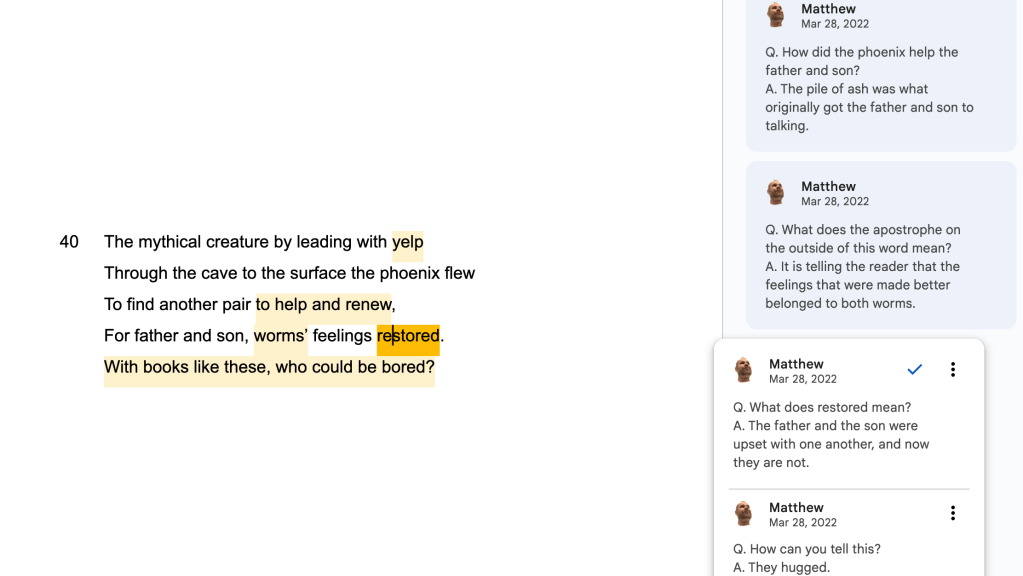
The phoenix’s presence at the end of the poem symbolizes the healing of the relationship between the son and dad, as well as the renewal of ideas. The son will be the next dad. Generations continually move on. Phoenix tears, not that our poem’s bird cried, are supposed to have healing properties.
Also, according to “Ancient Origins” (2021), anyone standing near the pile of ash left when a phoenix burns up can’t help but tell the truth. Is this why the dad confessed to taking the young bookworm’s book? Perhaps it lent to the honesty by which the son told the dad all about his love of poetry and reading.
Whether you love my poem or not, I hope that you open your heart to poetry in general. I have thoroughly enjoyed reading and writing it since I have let go of fears and insecurities.




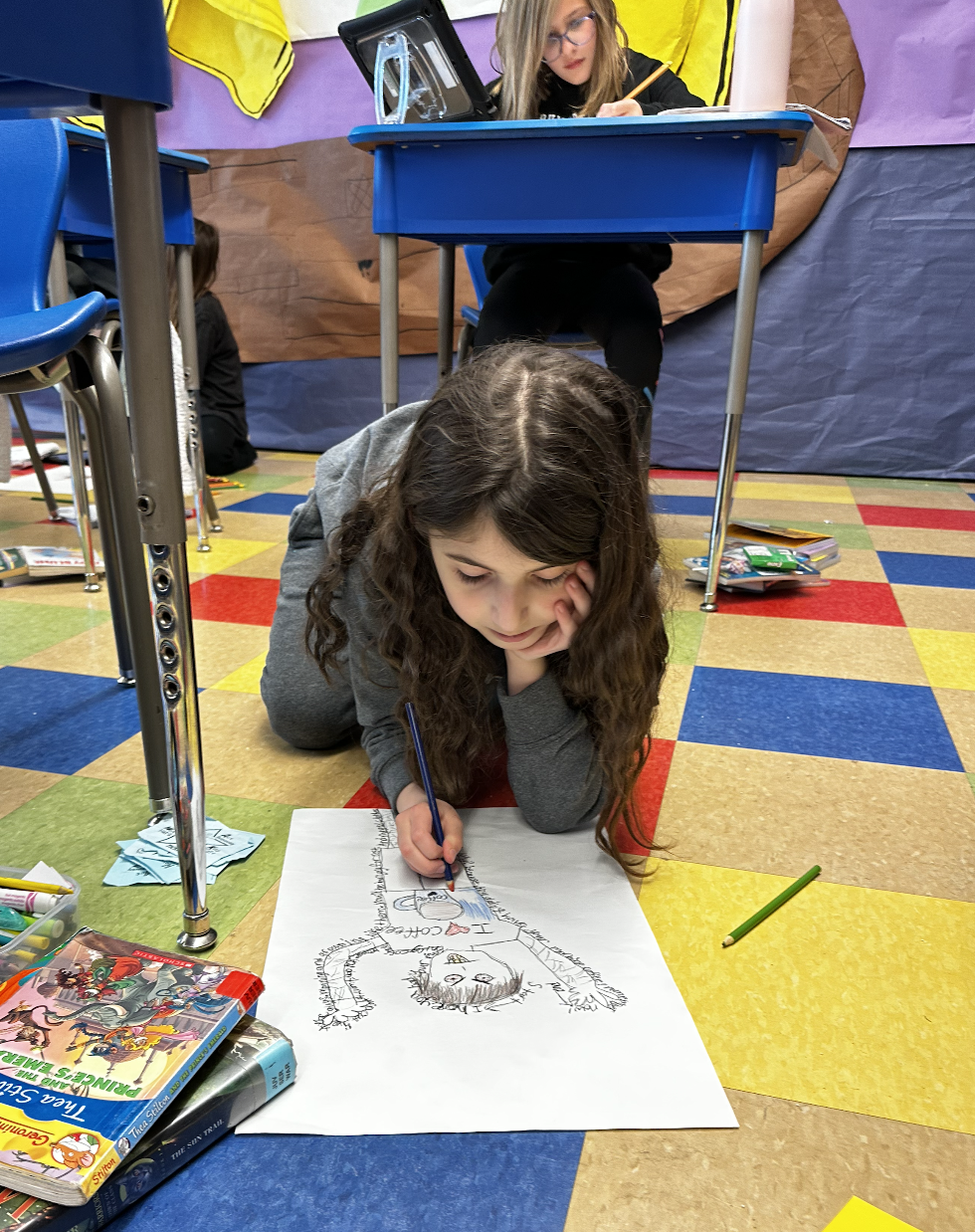

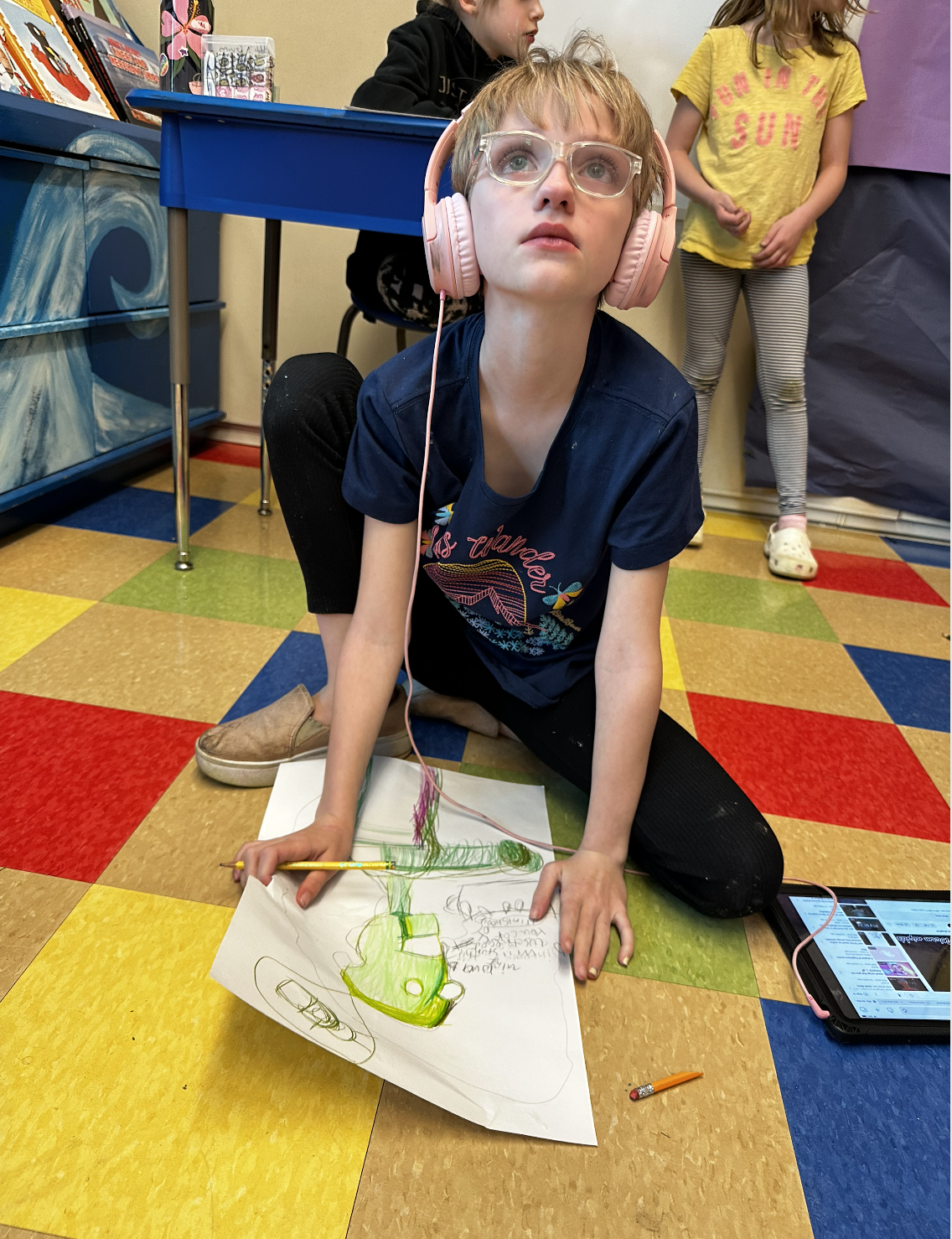


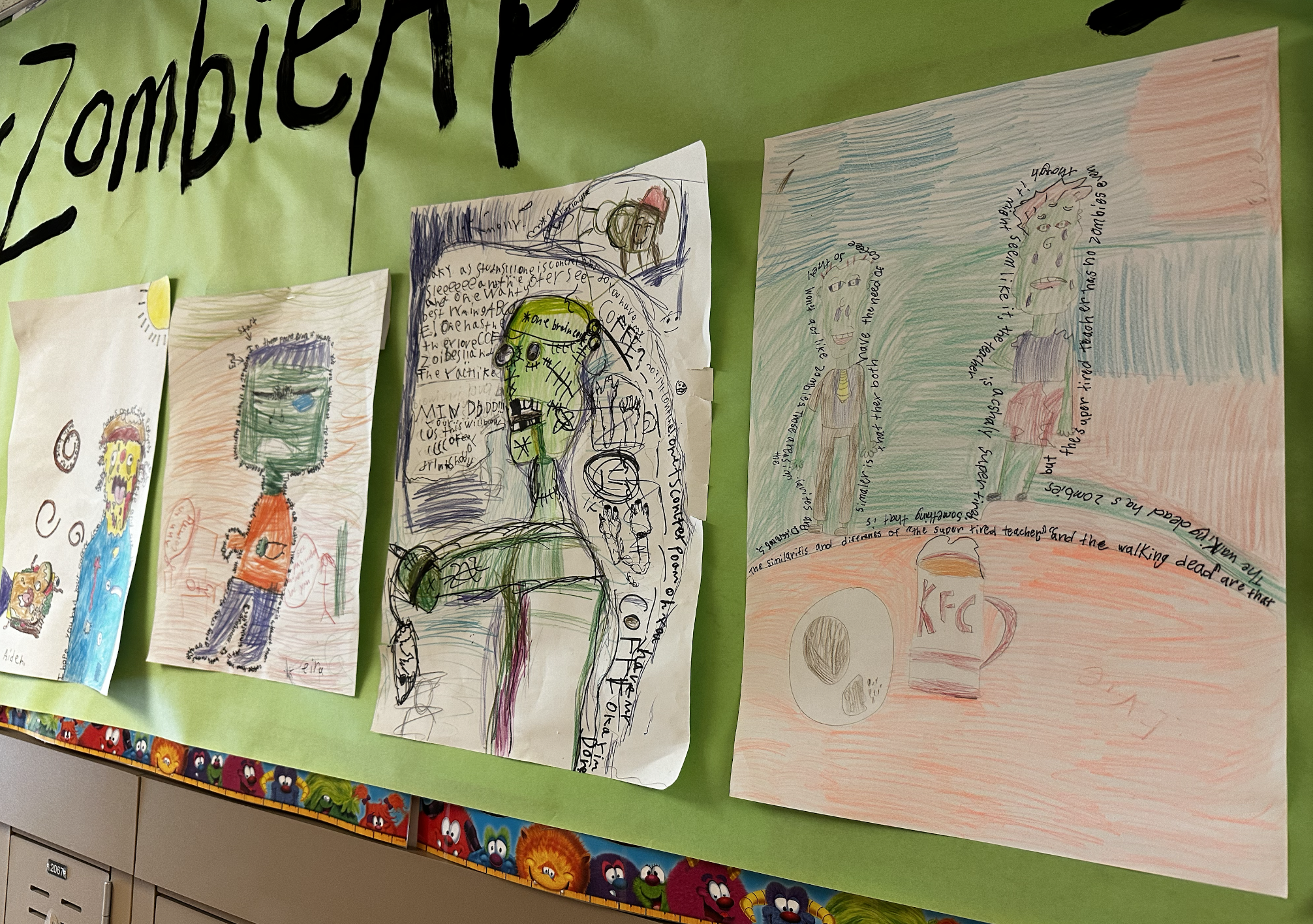

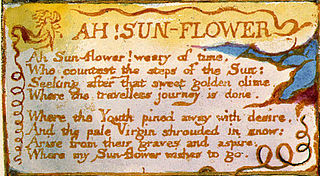 Then I became an elementary teacher. Poems are everywhere! Teachers begin the day with them. They are read on the morning announcements. Magazines end with them. Children’s literature is littered with them. Come to find out, some of my favorite authors celebrate poetry throughout their texts. Roald Dahl’s novels are packed with poetry. How did I never see this?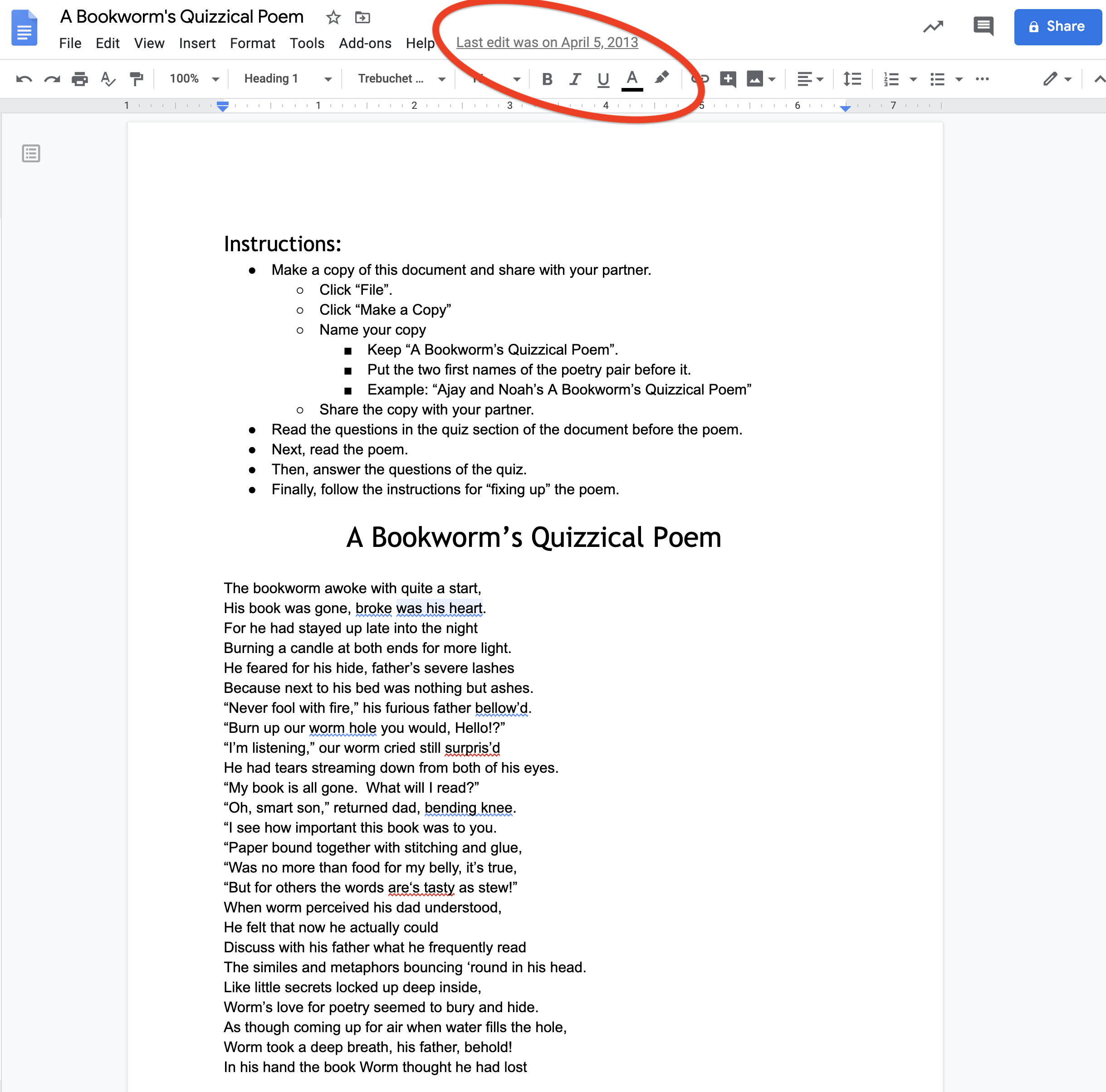




 One silly example I have for this is the way students hold their coats. It is that time of year when kids need coats for recess. The thing is, kids get warm when they run around, and they will take their coats off. Upon entering the school building, they have not cooled down completely, so they don’t want to put their coats back on. What many are inclined to do is place the hood of their coat on their head and let the rest hang behind them. They see peers doing this; Maybe they feel like it is a cape. Kids love doing this. It isn’t that I think that there is anything inherently “wrong” with wearing a coat this way. However, what I do each year is show my students the contrast of draping a coat over the arm and carrying it like a butler’s towel up to the room. It seems to me that students who walk with their coat draped over their arm stand more strait with their chins higher. They do not shuffle into the building. They parade with purpose. I told you that this was a silly example. It is simply an appearance thing, but it really works!


 The Captain of Class