I witnessed a situation the other day that illustrates why students should be taught controversy in the classroom. It’s the middle of July, 2020, and the Coronavirus is in full force! Right now, school administrators and boards are trying to figure out what form of teaching will happen this coming fall. I do not envy these leaders, their tasks of balancing student health & safety with political messaging, parental pressures, & seeming economic responsibilities!
I have no idea what the fall will bring, but, like most Americans, I am going about my summer business, trying to stay as safe as possible, while maintaining my humanity. The other day I witnessed something curious. I was in a Wawa in Pennsylvania, waiting for my number to be called, indicating that my sandwich would be ready for pick up. While wiping my phone with a disinfectant cloth that Wawa was kind enough to supply, I overheard a gentleman apologizing.
“What number do you have?” a young man with braids covered by a bandana asked a slightly older gentleman who sported a long ponytail. They both had masks, but were close enough for me to hear the entire exchange.

The man with the long ponytail looked at the ticket taped to the box in his hand. He realized his mistake as he read the number aloud. “Sorries” were spilling out as he attempted to hand the box to the braided bandana wearer.
The person to whom the order belonged acted like the box of food was a delivery of disease. He would not take it. He wasn’t rude, but unsure of how to proceed.
Eventually, he took the problematic parcel, but only to bring it up to the plexiglass separating customers from the mask-wearing workers preparing food. The young man explained that someone else had accidentally picked up his order, and that he would like them to simply place it into a new container.
I thought that this sounded reasonable. I was surprised by the worker’s response. “I cannot take that food back. You can throw it away, and I will make another for you.”
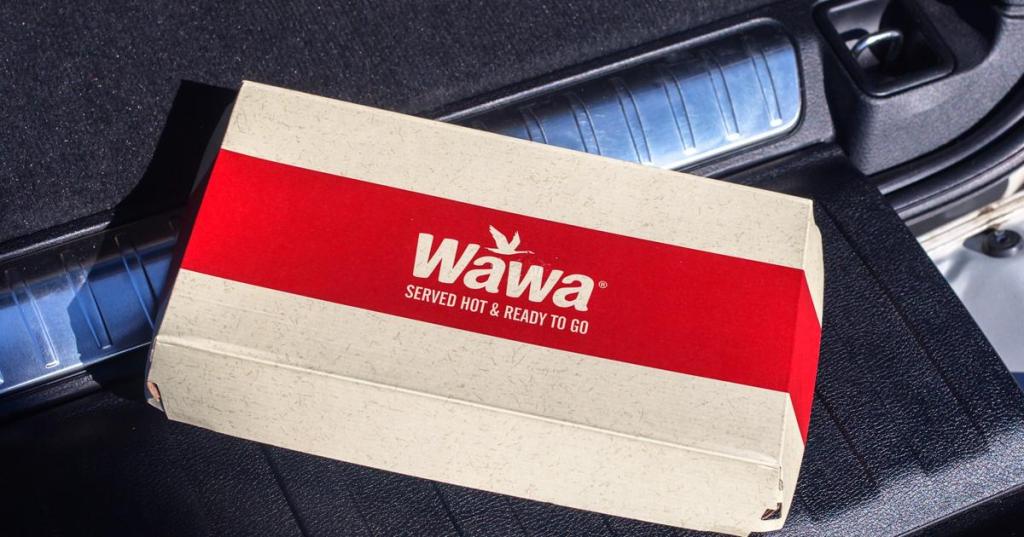
The young man was now faced with a dilemma. He could do as the Wawa employee suggested and discard the uneaten food. He would get a brand new order that wasn’t tampered with by an ungloved stranger. This would require him to wait longer, and he would be responsible for wasting what could very well be perfectly fine food. On the other hand, the young man could tell the food preparer behind the plexiglass to not worry about it, and he could chance eating the food inside the box.
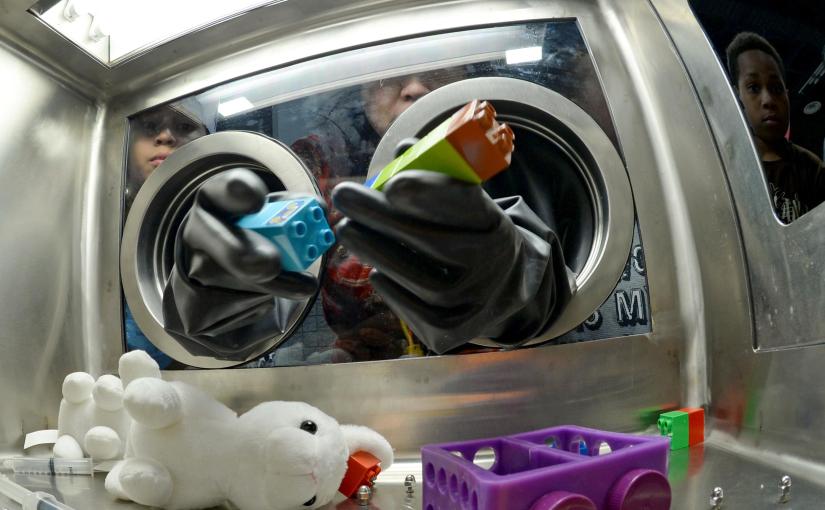
What if the older gentleman had transferred fomites (infected particles) to the cardboard container, though? Even if the young man were to use a glovebox to remove the food from the infected container, who knows if any fomites would transfer to the food?

Over-caution and waste… or potential contagion; These were the conflicting choices.
My number being called, caused me to retrieve my order and leave the store, never finding out how the controversy ended. Both people were still standing near the plexiglass when I left. The man with the ponytail was still apologizing, and the man with braids and bandana hadn’t supplied the Wawa workers a definitive decision. Would he get a new sandwich by default? Would the food preparers interpret his continued presence as a passive plea for a new parcel? He was still holding his damaged goods when I exited. Maybe he would wait for the new order to force him to throw away the box he held in his hands.
Will school districts end up throwing away a year of learning? No one knows for sure what fomites and aerosols will contaminate halls and classrooms or what that will mean for the consumers of education? Should the two gentlemen from Wawa stay home and make their own silly sandwiches, from now on? What would happen to the convenience store industry? Is it the job of the public to maintain industries in the midst of a war on our welfare?
Students must eat knowledge and grow in skill, or they will intellectually deteriorate.
Do we give them potentially contaminated containers to handle? Should we waste time? What if there aren’t any sandwich-making materials at home? I don’t have the answers to these questions, but I will say that our pedagogy should share the skill of wrestling with controversies. I’m not suggesting we teach with controversial issues. My message is that students would do well to learn how to dissect a topic, analyze it from multiple perspectives, and weigh options. When they grow up, they will have very important decisions to make.
How have you, or how do you plan to teach with controversy?


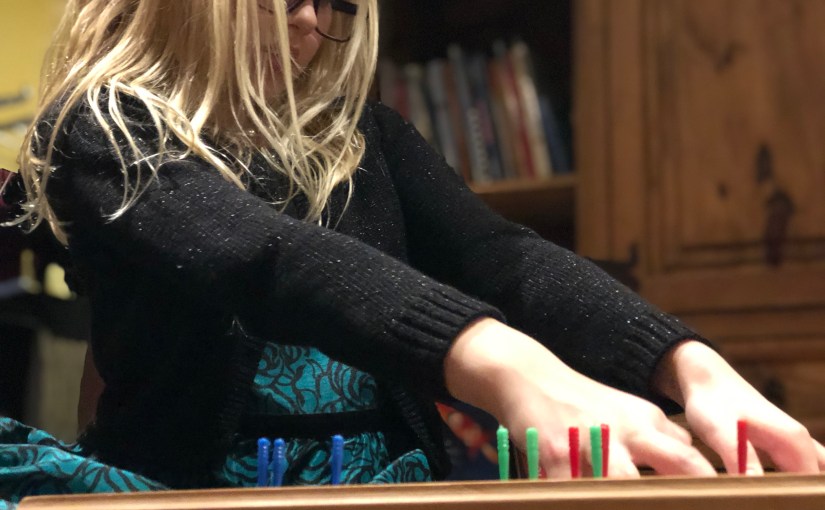


 So, it’s Thanksgiving. The dinner is cooked, consumed, and cleaned up. I’m watching my daughter wrestle with the cards in her hand. Of the five she is holding, which should she throw in the crib for someone else to use?
  It’s extra hard when you have to add the numbers to make fifteen. Let’s say the five cards that you are dealt are 4, 5, 6, 3, & Ace, and the starter is an 8. You have to discard one of those cards to someone else’s crib.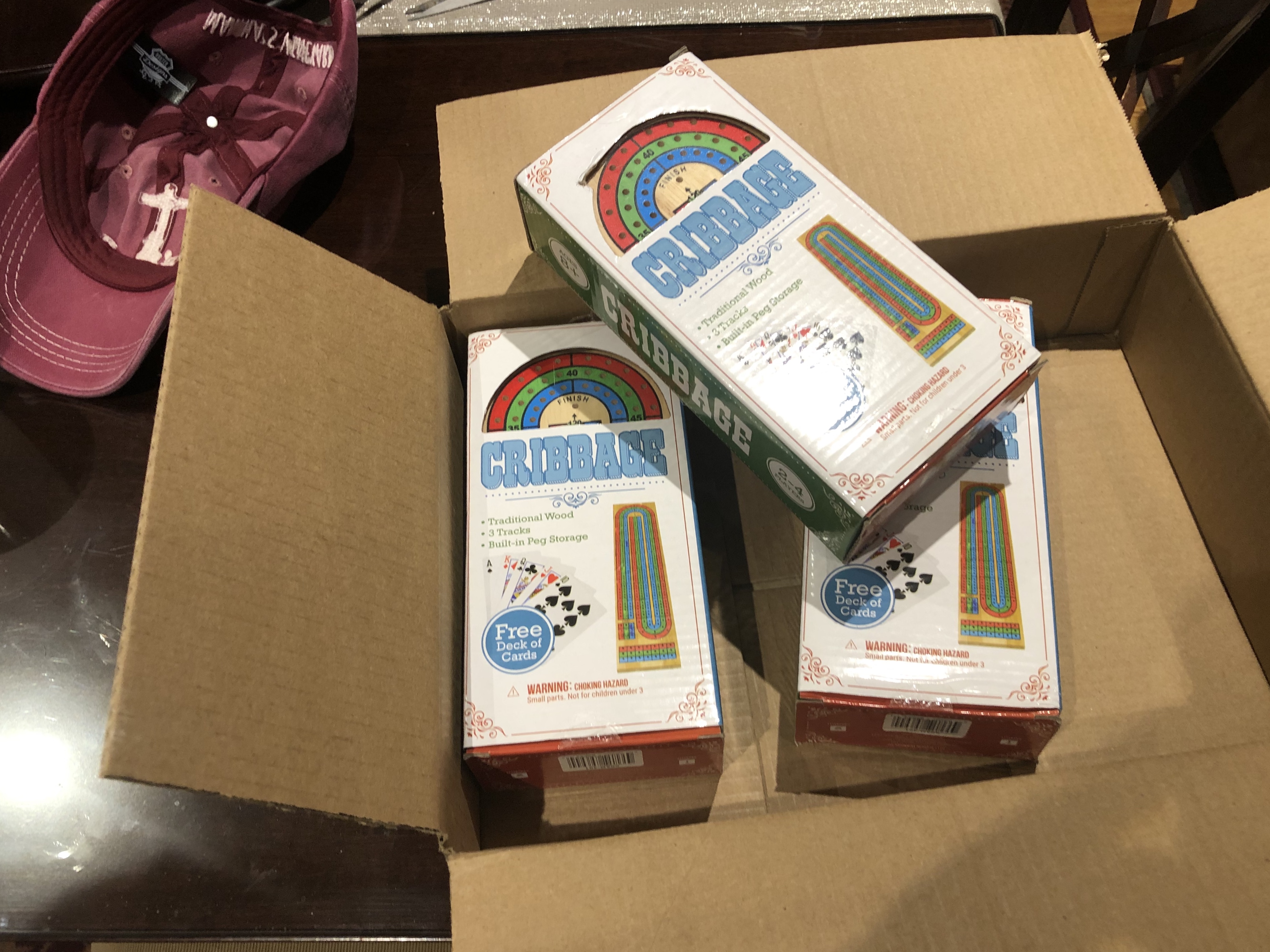

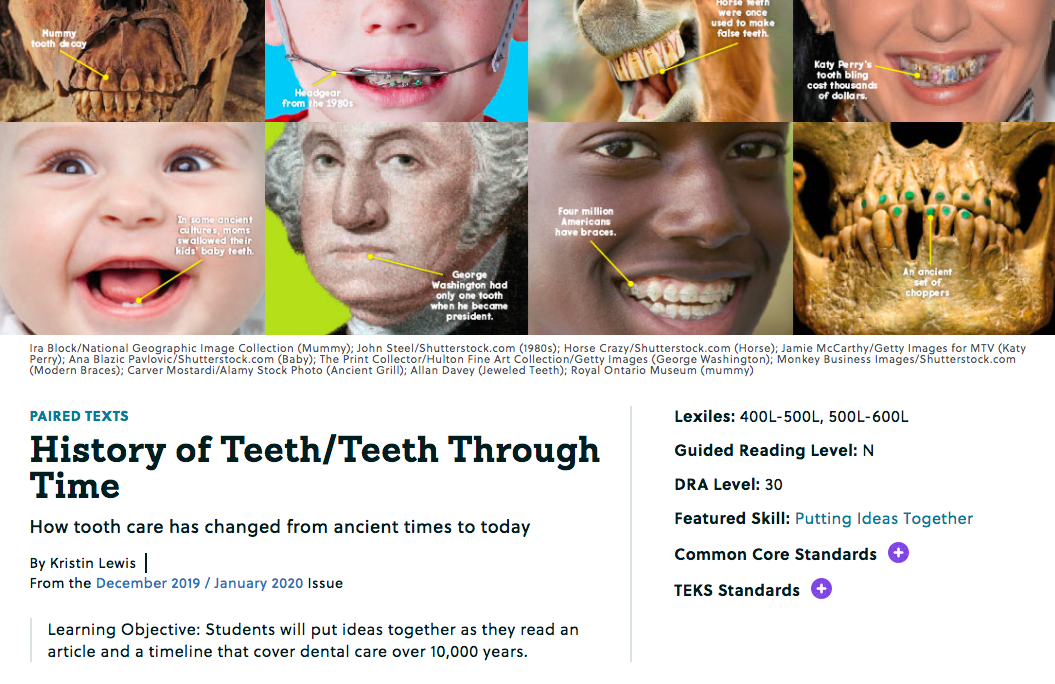 Just this week, I was preparing to have my students read an article about teeth from a brand new
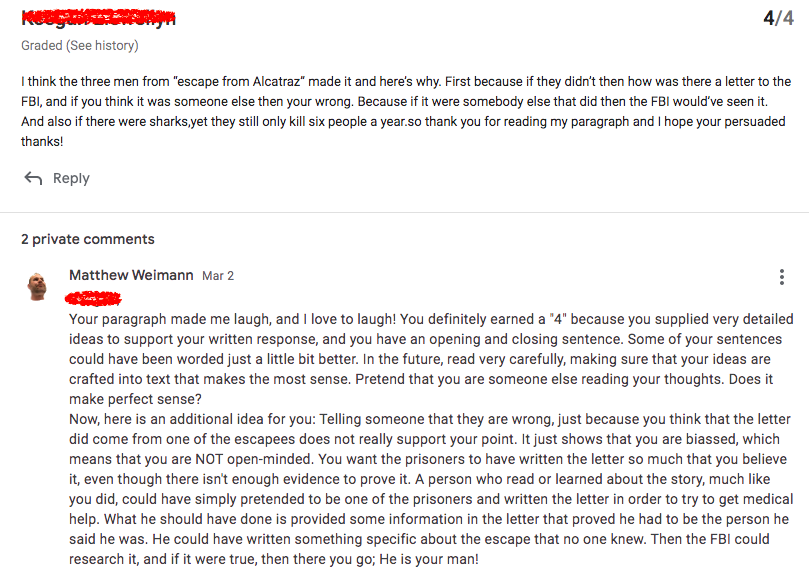
  When we regrouped as a whole class after only ten minutes of controversial competition preparation, I used Siri to “flip a coin”. One team “called it” and won the toss. I asked, “Who is going to present?” Hands were raised and fingers were pointed; Several students were interested in presenting. I told them, “You can only speak once, so decide if you want to go now, or hold onto your argument for later in the debate.”
  The teeth team was presenting first, and the boy they had chosen to headline their position was confident. He communicated to me that, rather than wait, they wanted to come out strong–He literally told me this! I laughed, as I gestured for him to begin. “This is a true fact,” he began, “That once your teeth rot, it will affect your gums, and go down to your heart, and you will die.”
 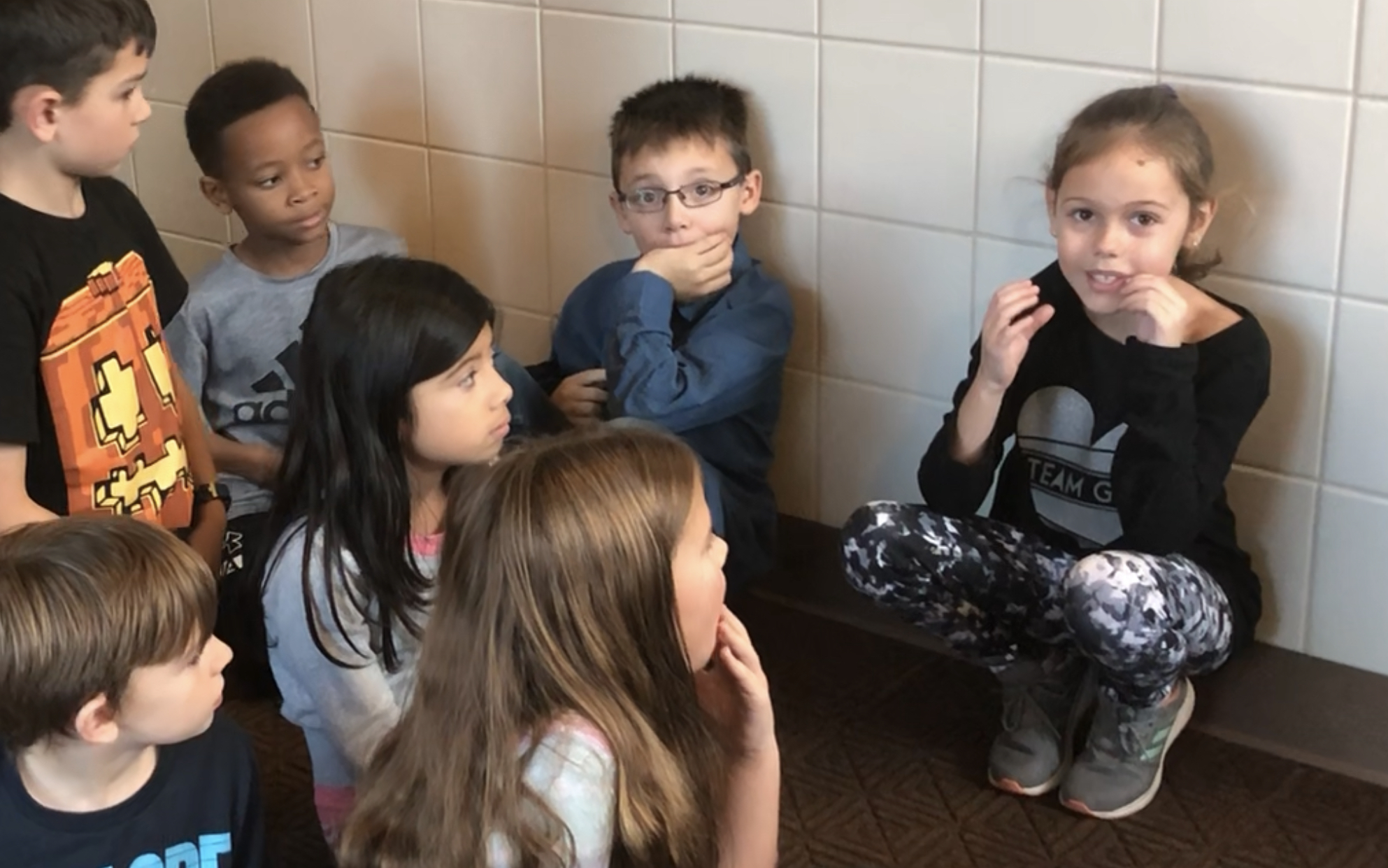 Next came the argument that if your teeth did rot and fall out, you wouldn’t be able to eat anything. Again, it boiled down to not brushing your teeth leading to certain death!
  The Captain of Class