
When I first began teaching, I had a mentor who was amazing. He taught second grade, and it was a calling more than a career. His name was John Burger. Rather than do Social Emotional Learning (SEL) lessons, he was SEL. Everything he taught had emotional and social lessons woven throughout it. Like myself, education was a second career for John. He had been an engineer before becoming a primary school teacher. More than the money, he was doing this because he believed in it.
In addition to John’s unique way of teaching, he used some teaching tools that I liked so much that I adapted them into my own repertoire. One was readers theaters. I have shared a few blogs about those in the past. Another was mental math games.
The mental math games were designed to make math fun and exciting. They are a great tool to use on the fly, because students don’t use paper or pencils. They should do it all in their head. Some of the games require critical thinking. Some rely on short-term memory and problem-solving. Others practice rote memory math facts.
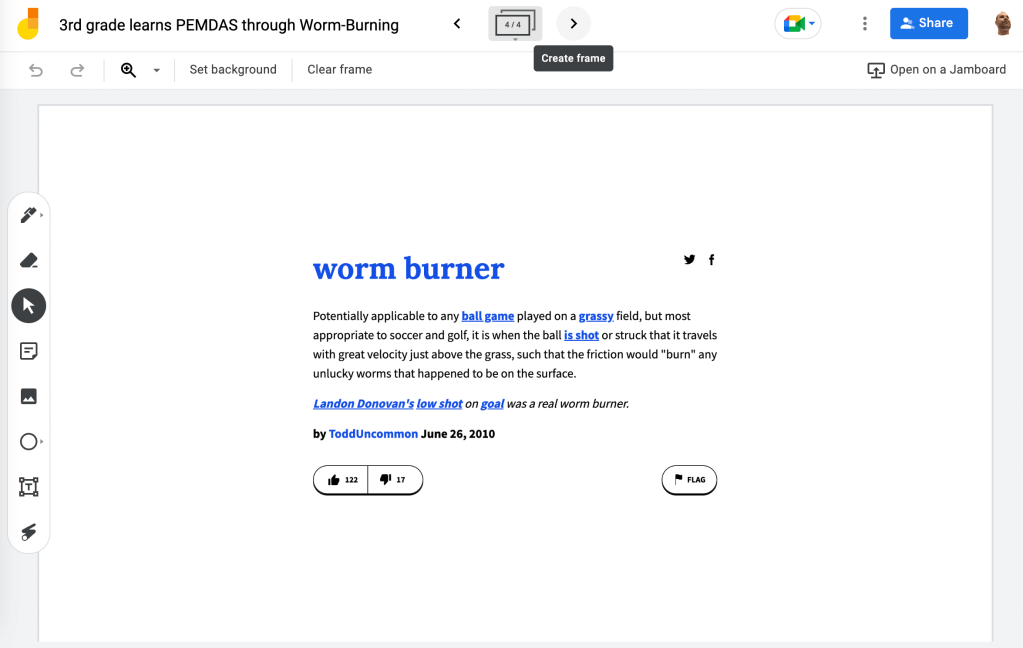
One of my favorites comes with a story. John liked baseball, and each year, when he introduced this game to his second graders, he would tell them, “When a baseball is hit really hard, and instead of it going up into the air, it is a line drive, straight over the grass… If a worm were to stick his head up out of his hole just at that moment, it would get its head burned by that cruising missile of a baseball! This is called worm burning.” There would be all kinds of gasps as kids pictured a worm being scalped by a wizzing baseball. Then, in his soft, understanding style of sharing, John would explain how the game works. “I’m going to say a bunch of numbers, and I will tell you what to do with them in between. You have to try your best to keep up. I’ll go slow in the beginning, but then I will begin to speed things up. When I stop, you tell me the answer that’s in your head.”

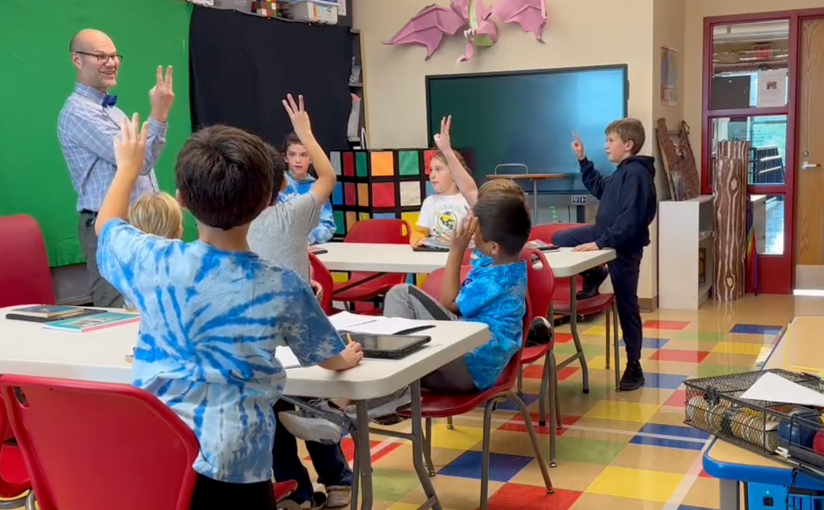
The mental math game is fast. The teacher will use single digit numbers and a variety of operations, keeping track of the answer until the worm burner has run its course. When the teacher stops saying numbers and operations, students have to raise their hands with whatever answer they are left with. I have my students show me their answers with fingers; They raise the number of fingers that they think is the answer. The teacher (or student; I’ll have kids try it when they get good at it) who is sharing the math must keep the final answer under 10.

I often teach students this game at the beginning of the year and use it during whole-group bathroom breaks or times I need to keep students quiet. We get really excited when we know the answer and/or get it right, so it is hard to be completely silent. I remind students that they ought to only raise the accurate number of fingers. I praise students who do this well.
You change up the difficulty of the digits and speed by which you say them to adjust so that more students can participate. The students who are more fluent with their facts are affirmed as math whizzes, and that’s just the way it is. “Good for them. The rest of you can study and memorize your facts just the same.” I have witnessed students work on learning their facts and gradually move up the ranks in Worm Burning, until they became competitive with the best of the burners.
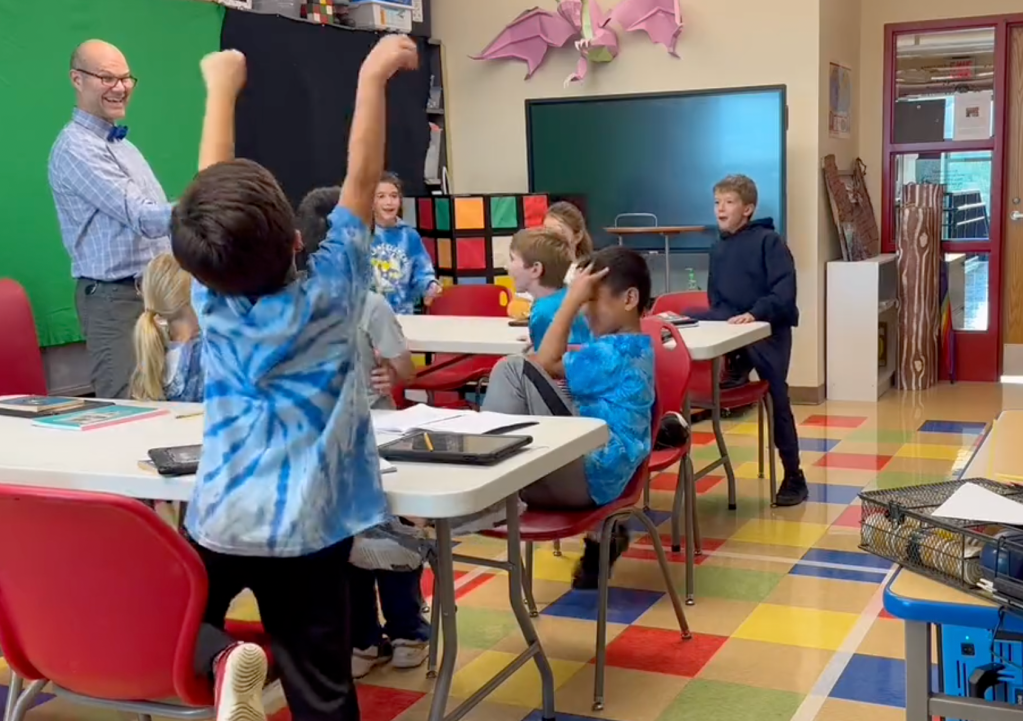
I usually try to do a few that everyone and anyone can get. You can weave in a couple of tricks, like multiplying the whole thing by zero. Then everyone gets in on the answer. It gets everyone to at least pay attention and listen. Also, the Polite Pirates perk right up when they hear me say, “subtract 99 or 98” because they know the going answer before that was probably 100, and we are back to only 1 or 2, respectfully. I’ve had lost souls jump back into the game at that point. It’s fun to see them grab ahold of confidence as they celebrate success.
Sometimes, but not always, I will go back and walk the class through the Worm Burn. I’ll demonstrate keeping the answer right there at the front of your mind. Often, the Worm Burn is so fast or long that I can’t remember all of the steps. The successful students are usually proud to help me remember, though.
Math Enrichment

Later on in the year I will introduce larger numbers that can be tricky. For example, I will have students multiply 25 by 4. “I don’t know that!” they’ll cry out.
“How many quarters are in a dollar?” I’ll ask them.
“Oh…” They get it, and then I will do a bunch of worm burners incorporating twenty-fives.
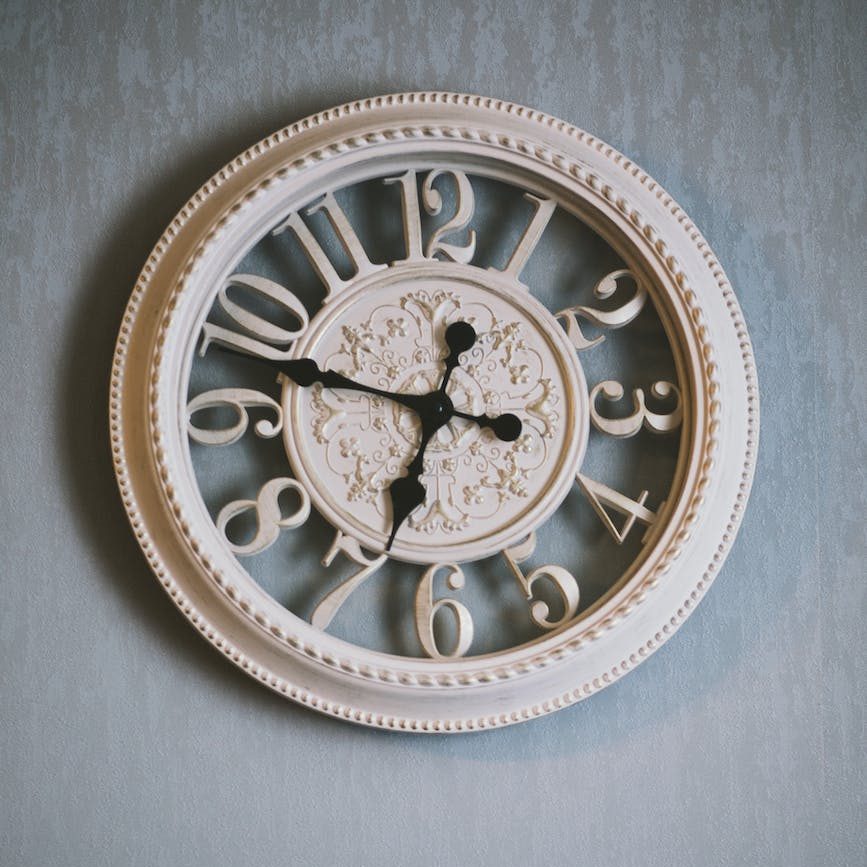
Another number I’ll throw in at some point is fifteen. “Three fifteens is the same thing as three quarters past the hour. How many minutes is that?” I’ll explain after stumping my students. Sometimes I’ll use alternative words like “dozen” or “double that” to keep things interesting.
By the end of third grade I would be throwing fractions into the mix. It’s a great way to cement the understanding of denominators dividing numerators. I will get the Worm Burn to the number 24, and then say, “What is a third of that?” Or, maybe I’ll start off with “Three fifths of fifteen (9), plus three quarters of four (3), divided by six…” and so on. Pause just enough so some students can get it, but not so much that others blurt out the answer. And, don’t make it so hard that no one gets it!
Gifted
This year I have transitioned from being strictly a third grade teacher to the gifted support teacher for kindergarten through fifth grade of my school. I was sharing the game of Worm Burning with my third grade gifted students, when I saw an opportunity to bring the math to the next level… and then some.

I told my third graders about a trick that I often use in order to keep the numbers straight and maintain a going answer in my mind; I will use the answer in the next operation. For example, “Two times three, plus six…” I added the six to reinforce in my own mind that the product of two and three was six. I never write the Worm Burn on the board, but in going back to show this trick further, I wrote out the sequence of operations from a previous Worm Burn. This introduced the idea of squaring a number, which then lead to teaching exponents.
Then I thought about how different Worm Burning was from using Order of Operations. And, out comes PEMDAS! We were already talking about exponents!
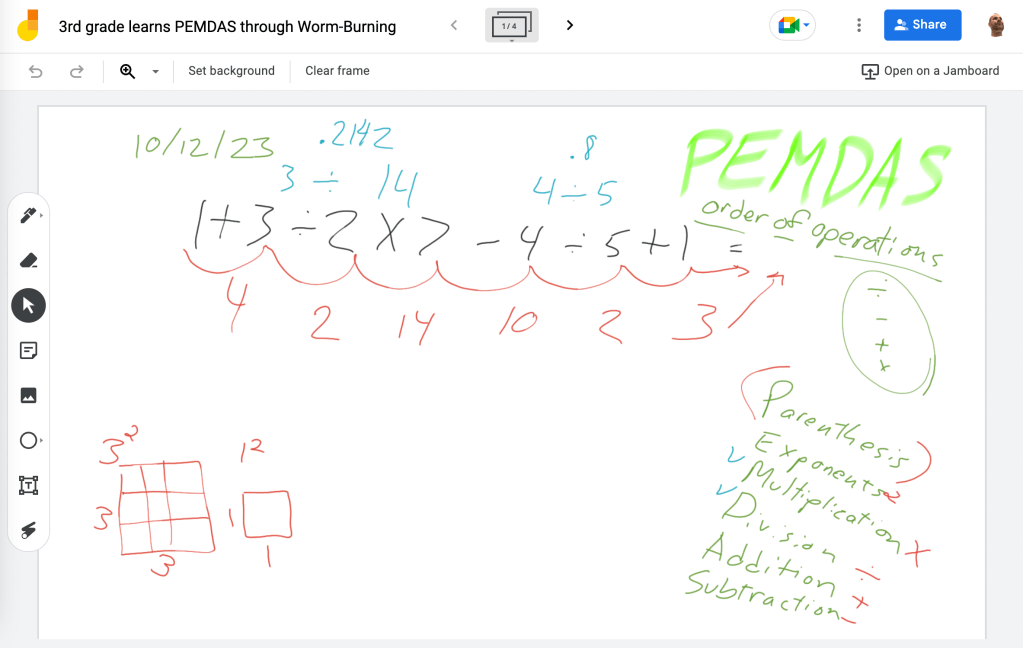
I started out with a simple Worm Burn, “One plus three, divided by two, times seven, minus four, divided by five, plus one…” The answer is three. I wrote the burn on a Google Jamboard and showed the sequence of math. Then I told my students that if I were to do this math properly, the answer would be completely different. They were intrigued. “What do you mean, properly?” they wondered. I wrote the acronym PEMDAS on the board.
When we followed the rules for order of operations, our answer was much more complicated. With the help of Siri, we were able to divide numbers that didn’t have obvious answers. How do you divide three by fourteen? Is that even possible? Well, if you have three boxes of cereal, can fourteen people have some? How much of all of the cereal would each person get? Ask Siri.
The final answer came out to -.5858, which was really weird. They were unfamiliar with decimal points, let alone negatives. It was an eye-opening adventure.
From Worm Burning to diving down a rabbit hole of increasingly complex math concepts, my gifted third graders were happy to transition to reading about everyone’s favorite vampire rabbit, “Bunnicula,” and take a break from arithmetic.

 The Captain of Class
One thought on “Worm Burning: A Mental Math Game”